Zhao Ding, Li Yihan, Xiang Lei, Saiding Qimanguli, Lin Zhiqi, Cai Zhengwei, Wang Juan, Cui Wenguo
Department of Orthopaedics, Shanghai Key Laboratory for Prevention and Treatment of Bone and Joint Diseases, Shanghai Institute of Traumatology and Orthopaedics, Ruijin Hospital, Shanghai Jiao Tong University School of Medicine, Shanghai 200025, P. R. China.
Research (Wash D C). 2025 Jul 17;8:0777. doi: 10.34133/research.0777. eCollection 2025.
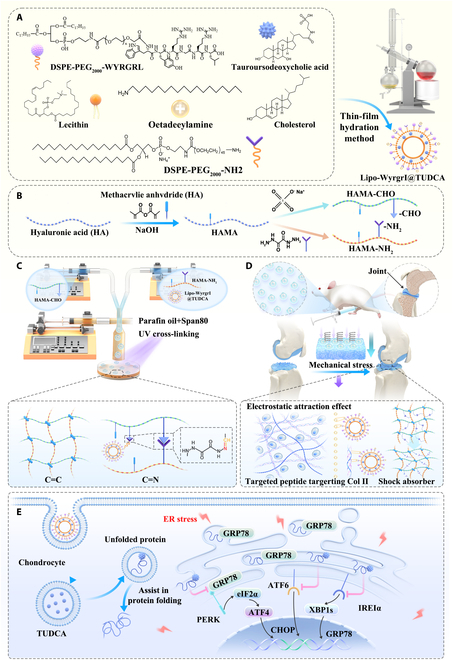
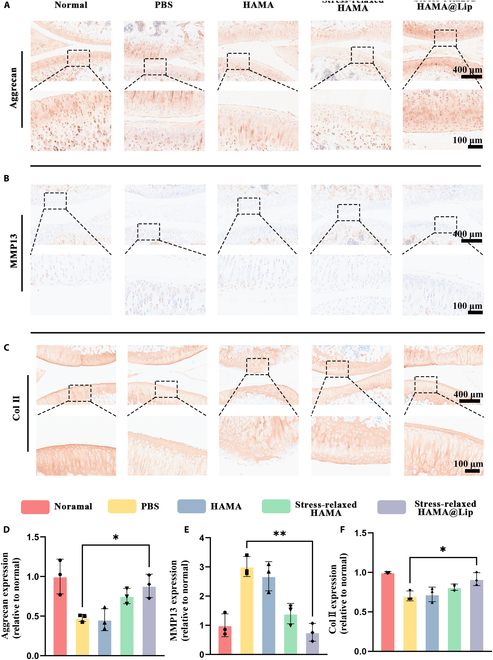
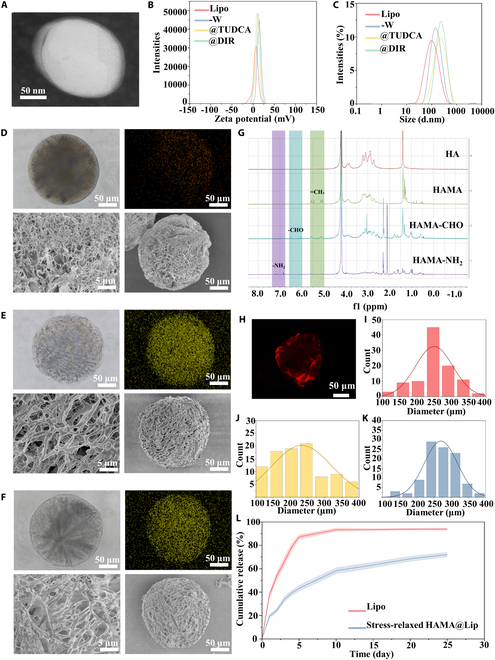
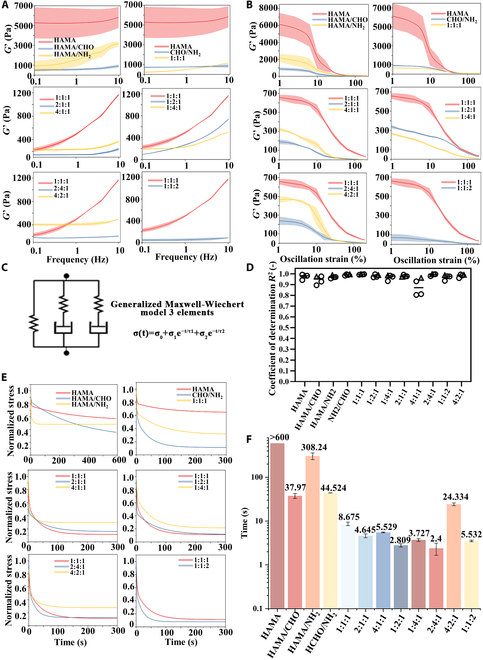
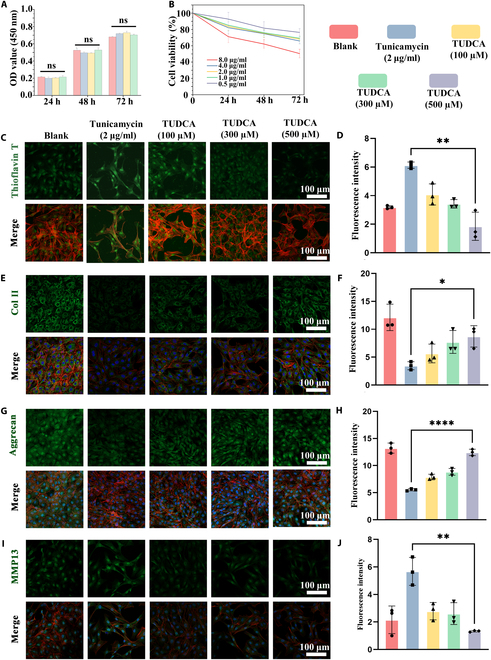
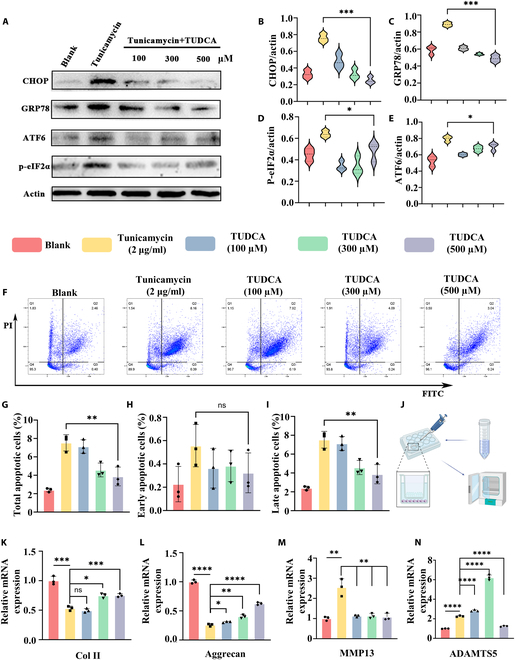
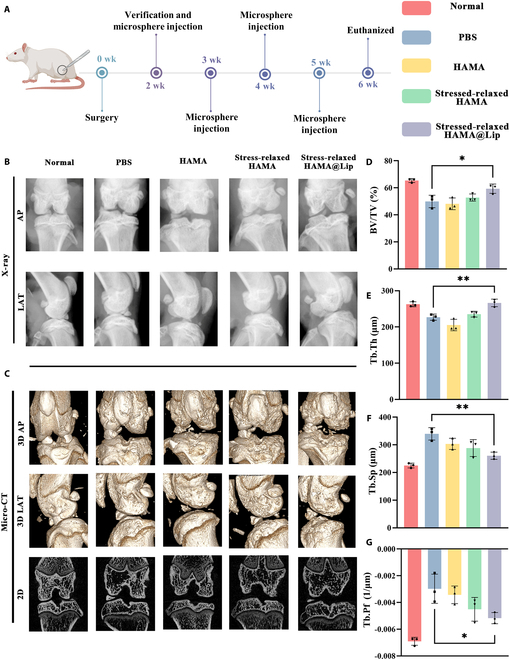
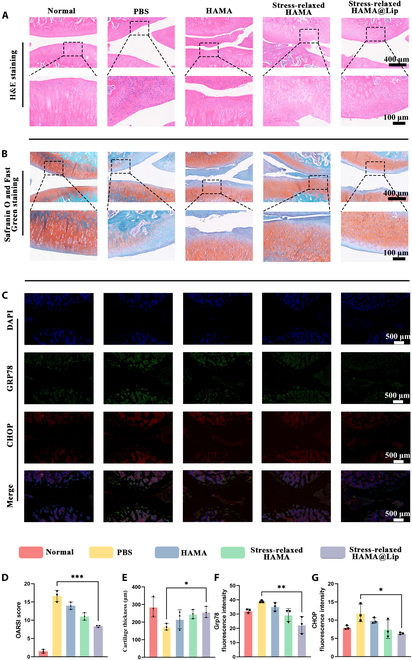
Chronic mechanical vibrations and endoplasmic reticulum (ER) stress are major contributors to osteoarthritis (OA) progression. This study proposes a novel "cellular shock absorption" approach by developing viscoelastic hydrogel microspheres with tunable stress relaxation properties. By modulating the chemical bonds in the hydrogel network through oxidation and hydrazine coupling reaction, hydrogel microspheres capable of absorbing shock and reducing mechanical stimulus-induced ER stress in chondrocytes are created. Cationic liposomes, modified with the cartilage-targeting peptide Wyrgrl and loaded with tauroursodeoxycholic acid (TUDCA), are encapsulated within these hydrogel microspheres. The microspheres not only dissipate intra-articular impact forces, reducing vibration and pressure transmission, but also provide sustained release of TUDCA, alleviating ER stress and slowing OA progression. In vitro studies showed that the stress relaxation time constant (τ) of the microspheres was tuned to 23.81 s, closely resembling the mechanical properties of the cartilage matrix. This property, combined with targeted TUDCA delivery, reduced Grp78 and CHOP expression, alleviating ER stress and inhibiting chondrocyte apoptosis. In vivo, the microspheres preserved joint cartilage structure, suppressed ER stress responses, and substantially delayed OA progression. This strategy presents a promising approach to mitigating cartilage damage and delaying OA by reducing mechanical stress and alleviating ER stress.
慢性机械振动和内质网(ER)应激是骨关节炎(OA)进展的主要促成因素。本研究提出了一种新颖的“细胞减震”方法,即开发具有可调应力松弛特性的粘弹性水凝胶微球。通过氧化和肼偶联反应调节水凝胶网络中的化学键,制备出能够吸收冲击并减轻软骨细胞中机械刺激诱导的内质网应激的水凝胶微球。用软骨靶向肽Wyrgrl修饰并负载牛磺熊去氧胆酸(TUDCA)的阳离子脂质体被包裹在这些水凝胶微球中。这些微球不仅能消散关节内冲击力,减少振动和压力传递,还能持续释放TUDCA,减轻内质网应激并减缓骨关节炎进展。体外研究表明,微球的应力松弛时间常数(τ)被调节至23.81秒,与软骨基质的力学性能非常相似。这一特性与靶向TUDCA递送相结合,降低了Grp78和CHOP的表达,减轻了内质网应激并抑制了软骨细胞凋亡。在体内,微球保留了关节软骨结构,抑制了内质网应激反应,并显著延缓了骨关节炎的进展。该策略通过降低机械应力和减轻内质网应激,为减轻软骨损伤和延缓骨关节炎提供了一种有前景的方法。