Chang Hanjui, Sun Yue, Long Fei, Li Jiaquan
Department of Mechanical Engineering, College of Engineering, Shantou University, Shantou 515063, China.
Intelligent Manufacturing Key Laboratory of Ministry of Education, Shantou University, Shantou 515063, China.
Polymers (Basel). 2025 Jul 24;17(15):2018. doi: 10.3390/polym17152018.
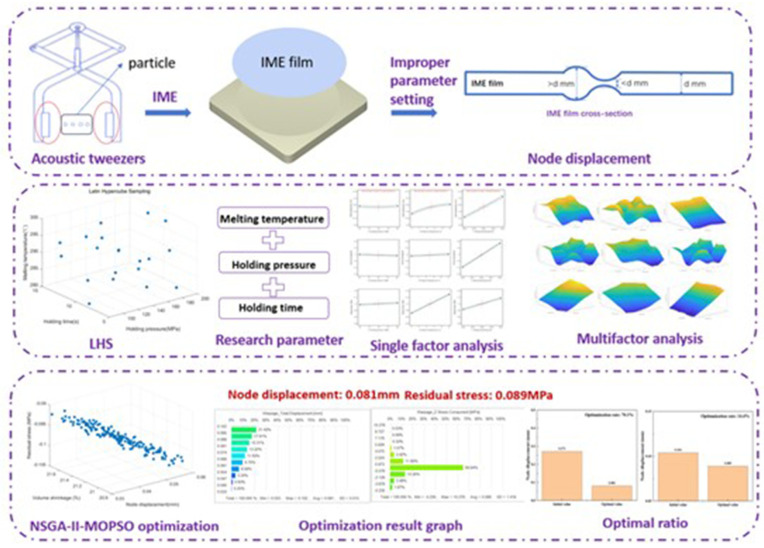
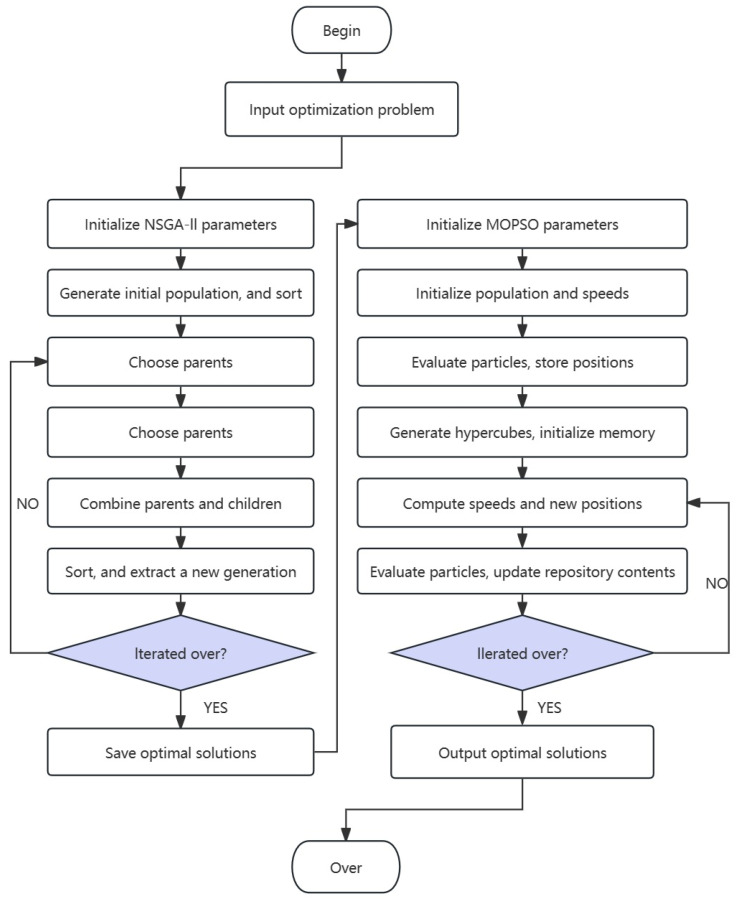
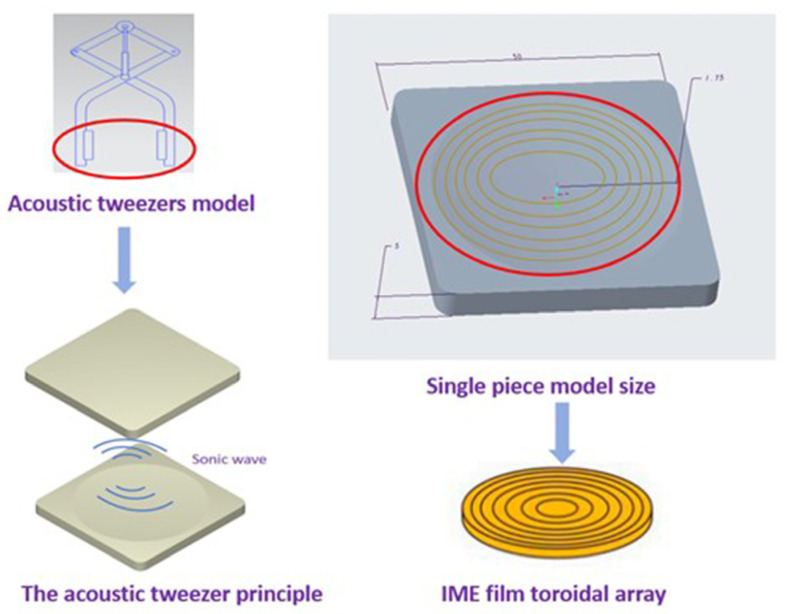
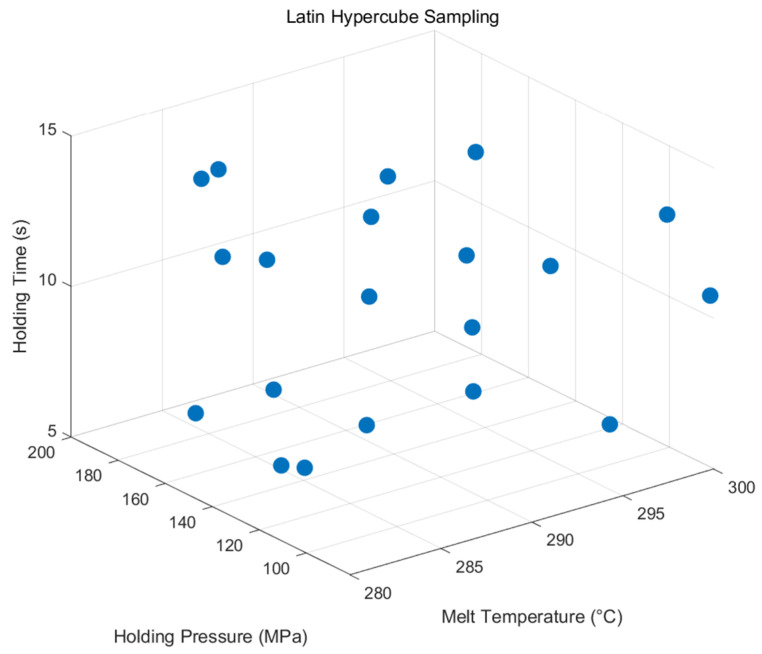
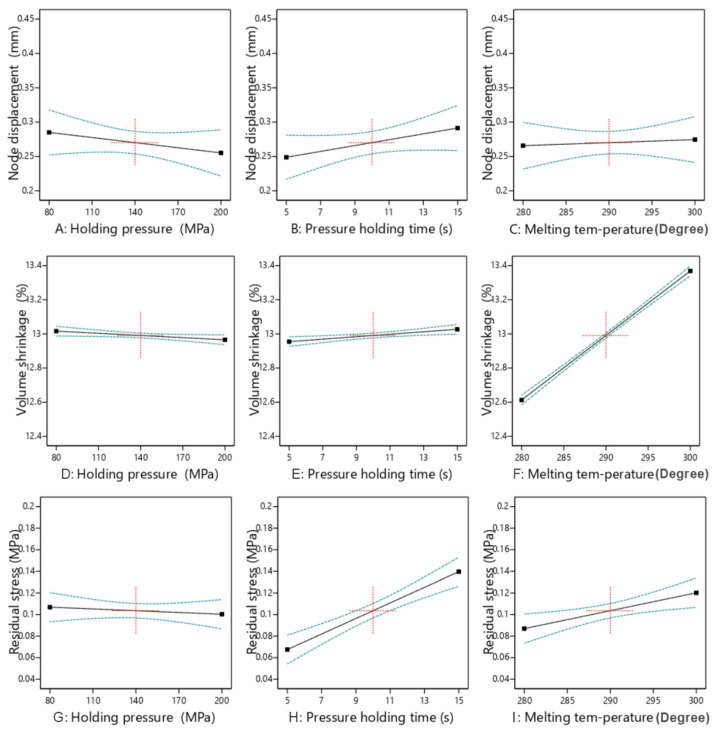
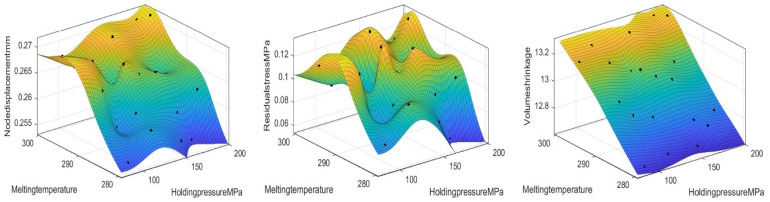
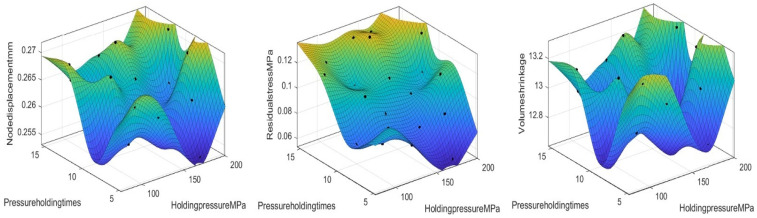
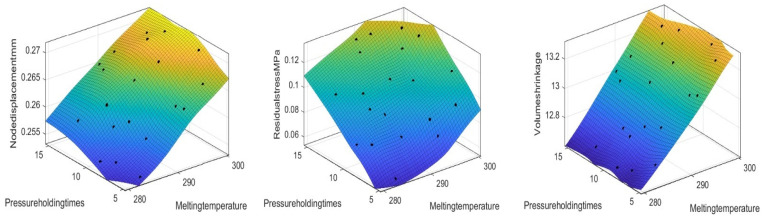
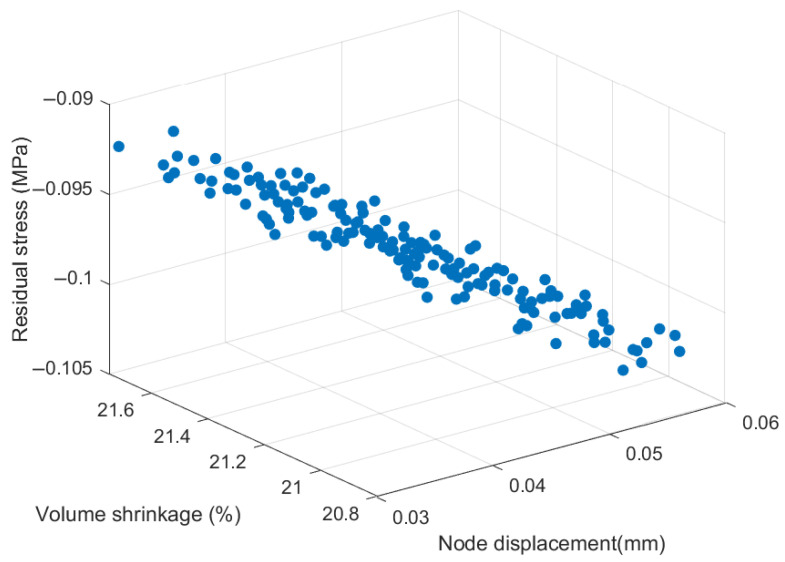
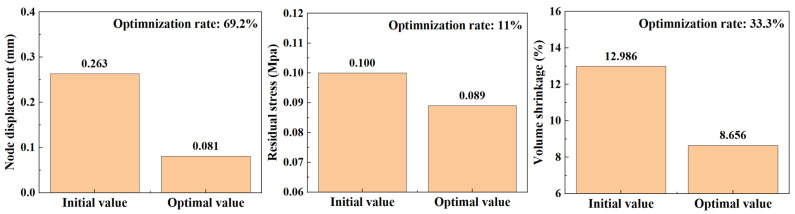
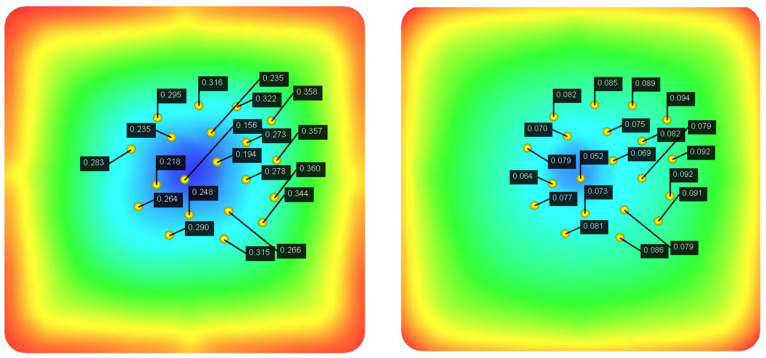
Acoustic tweezers, as advanced micro/nano manipulation tools, play a pivotal role in biomedical engineering, microfluidics, and precision manufacturing. However, piezoelectric-based acoustic tweezers face performance limitations due to multi-physical coupling effects during microfabrication. This study proposes a novel approach using injection molding with embedded electronics (IMEs) technology to fabricate piezoelectric micro-ultrasonic transducers with micron-scale precision, addressing the critical issue of acoustic node displacement caused by thermal-mechanical coupling in injection molding-a problem that impairs wave transmission efficiency and operational stability. To optimize the IME process parameters, a hybrid multi-objective optimization framework integrating NSGA-II and MOPSO is developed, aiming to simultaneously minimize acoustic node displacement, volumetric shrinkage, and residual stress distribution. Key process variables-packing pressure (80-120 MPa), melt temperature (230-280 °C), and packing time (15-30 s)-are analyzed via finite element modeling (FEM) and validated through in situ tie bar elongation measurements. The results show a 27.3% reduction in node displacement amplitude and a 19.6% improvement in wave transmission uniformity compared to conventional methods. This methodology enhances acoustic tweezers' operational stability and provides a generalizable framework for multi-physics optimization in MEMS manufacturing, laying a foundation for next-generation applications in single-cell manipulation, lab-on-a-chip systems, and nanomaterial assembly.
声学镊子作为先进的微纳操作工具,在生物医学工程、微流体和精密制造中发挥着关键作用。然而,基于压电的声学镊子在微制造过程中由于多物理场耦合效应而面临性能限制。本研究提出了一种使用嵌入式电子注塑成型(IME)技术的新方法,以微米级精度制造压电微超声换能器,解决了注塑成型中热机械耦合导致的声节点位移这一关键问题,该问题会损害波传输效率和操作稳定性。为了优化IME工艺参数,开发了一种集成NSGA-II和MOPSO的混合多目标优化框架,旨在同时最小化声节点位移、体积收缩和残余应力分布。通过有限元建模(FEM)分析关键工艺变量——保压压力(80-120MPa)、熔体温度(230-280°C)和保压时间(15-30s),并通过原位拉杆伸长测量进行验证。结果表明,与传统方法相比,节点位移幅度降低了27.3%,波传输均匀性提高了19.6%。该方法提高了声学镊子的操作稳定性,并为MEMS制造中的多物理场优化提供了一个可推广的框架,为单细胞操作芯片实验室系统和纳米材料组装等下一代应用奠定了基础。