Zhu Tingting, Zhu Guohua, Ma Jiahui, Yu Xiaojuan, Chen Tingting, Tao Xiang, Sun Li, Lu Xin, Du Yan
Department of Gynecology Oncology, Obstetrics and Gynecology Hospital of Fudan University, Shanghai, China.
Shanghai Key Lab of Reproduction and Development, Shanghai, China.
Front Oncol. 2025 Jul 30;15:1643590. doi: 10.3389/fonc.2025.1643590. eCollection 2025.
This study aimed to clarify the demographics, evaluate risk factors associated with malignant progression, and assess pregnancy outcomes among patients with hydatidiform mole (HM) using a large, retrospective cohort study in Shanghai.
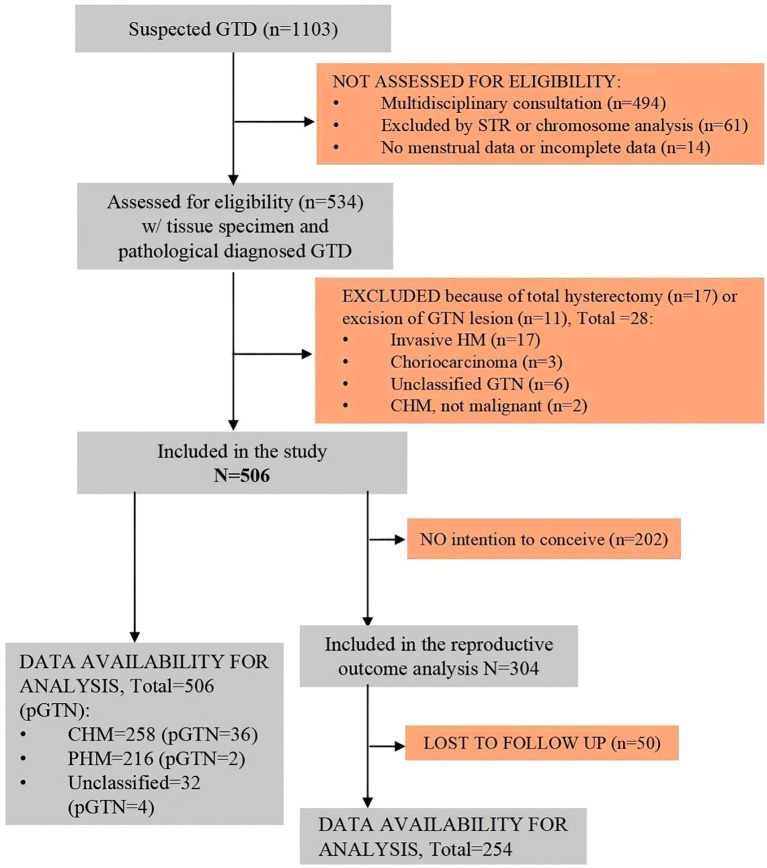
This retrospective cohort study included patients with pathologically confirmed HM from 2019 to 2023. Descriptive analyses were performed to describe the demographic characteristics, progression to postmolar gestational trophoblastic neoplasia (pGTN), and reproductive outcomes of patients. Univariate and multivariate logistic regression analyses were conducted to evaluate risk factors and develop predictive models for pGTN.
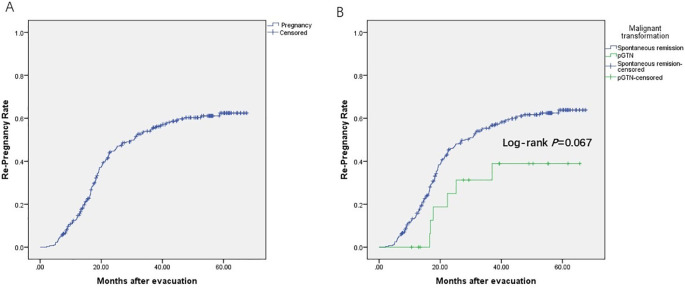
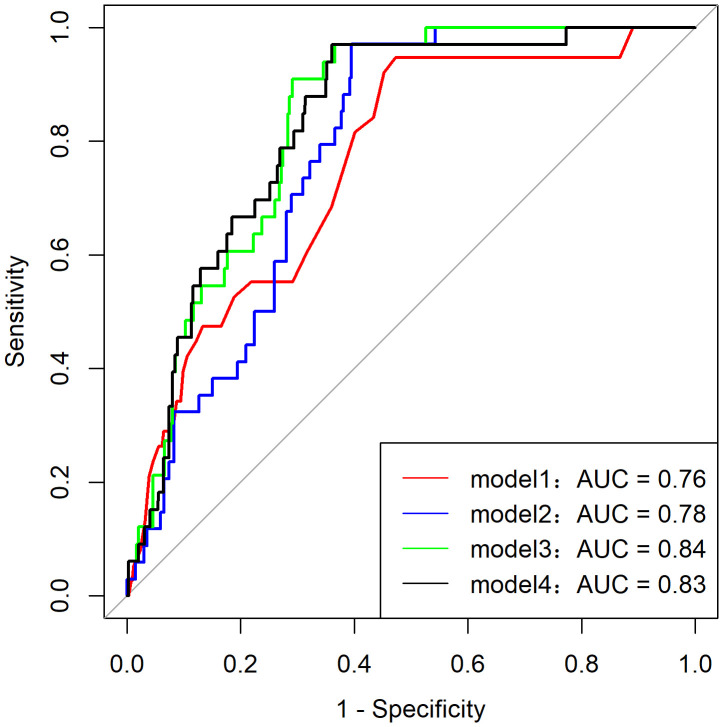
Of 506 patients with HM, the average age and gestational age at diagnosis were approximately 33 years and 10 weeks, respectively. During follow-up, 42 patients (8.3%) progressed to pGTN, all achieved complete response after treatment. Univariate and multivariate analyses revealed that significant risk factors for progression to pGTN included pathological type and maximum diameter of lesions by ultrasound pre-evacuation ( < 0.05 for both). A predictive model incorporating age, β-hCG ratio (before/after evacuation), and ultrasound characteristics (uterine/lesion ratio) demonstrated optimal performance and goodness of fit. Among the 304 patients who intended to conceive, 254 had documented reproductive outcomes (follow-up rate: 83.6%). Of these, 163 patients (64.2%) achieved successful re-pregnancy, including 131 (80.4%) livebirths.
Our study provides a comprehensive update on the demographics, risk factors associated with progression to pGTN, and reproductive outcomes of patients with HM in Shanghai. The clinical application of the predictive model needs to be further verified in a longitudinal setting.
本研究旨在通过一项在上海开展的大型回顾性队列研究,阐明葡萄胎(HM)患者的人口统计学特征,评估与恶性进展相关的危险因素,并评估妊娠结局。
这项回顾性队列研究纳入了2019年至2023年经病理确诊为HM的患者。进行描述性分析以描述患者的人口统计学特征、进展为葡萄胎后妊娠滋养细胞肿瘤(pGTN)的情况以及生殖结局。进行单因素和多因素逻辑回归分析以评估危险因素并建立pGTN的预测模型。
在506例HM患者中,诊断时的平均年龄和孕周分别约为33岁和10周。随访期间,42例患者(8.3%)进展为pGTN,所有患者治疗后均获得完全缓解。单因素和多因素分析显示,进展为pGTN的显著危险因素包括病理类型和清宫术前超声检查的病变最大直径(两者均P<0.05)。一个纳入年龄、β-hCG比值(清宫前后)和超声特征(子宫/病变比值)的预测模型显示出最佳性能和拟合优度。在304例有生育意愿的患者中,254例有记录的生殖结局(随访率:83.6%)。其中,163例患者(64.2%)成功再次妊娠,包括131例(80.4%)活产。
我们的研究全面更新了上海HM患者的人口统计学特征、与进展为pGTN相关的危险因素以及生殖结局。该预测模型的临床应用需要在纵向研究中进一步验证。