Bartels P G, Hyde A
Plant Physiol. 1970 Dec;46(6):825-30. doi: 10.1104/pp.46.6.825.
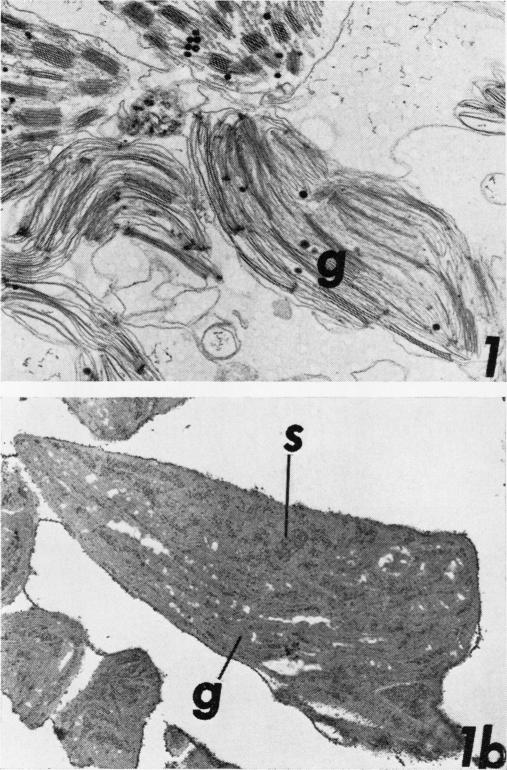
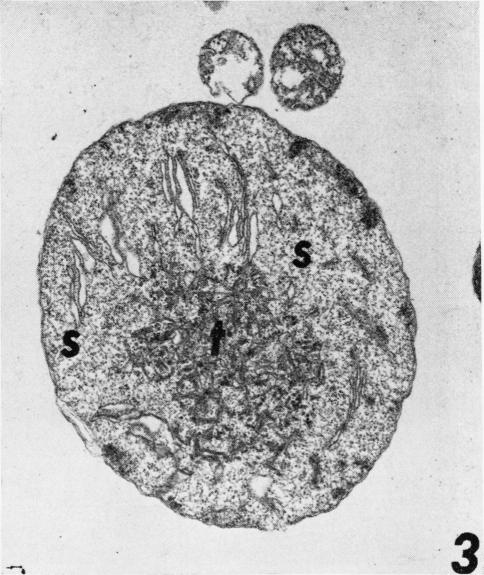
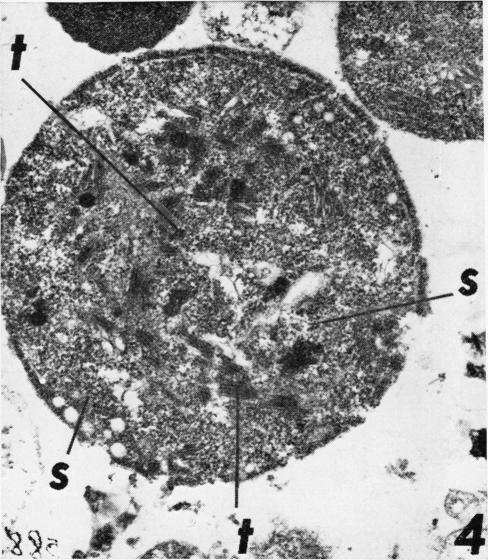
The isolation of chloroplast and nuclear DNA from dark- and light-grown, control- and 3-amino-1,2,4-triazole-treated wheat seedlings, Triticum vulgare, is described. Contrary to a previous report, we found that chloroplast and nuclear DNA had similar buoyant densities (1.702 grams per cubic centimeter) and that they could not be resolved by buoyant density centrifugation in CsCl. Difference in renaturation behavior of the chloroplast and nuclear DNA was used as the criterion for distinguishing one from the other. Only chloroplast DNA readily renatured whereas nuclear DNA renatured only slightly. Light-grown, 3-amino-1,2,4-triazole-treated plants were found to lack detectable quantities of chloroplast DNA whereas treated, dark-grown plants contained plastid DNA. We suggest that 3-amino-1,2,4-triazole affects the accumulation of chloroplast DNA by inhibiting the formation of chloroplast membranes, enzymes, and pigments.
本文描述了从黑暗和光照培养、对照和经3-氨基-1,2,4-三唑处理的普通小麦幼苗中分离叶绿体和核DNA的方法。与之前的一份报告相反,我们发现叶绿体和核DNA具有相似的浮力密度(每立方厘米1.702克),并且在氯化铯中通过浮力密度离心无法将它们分离。叶绿体和核DNA复性行为的差异被用作区分两者的标准。只有叶绿体DNA容易复性,而核DNA只有轻微复性。发现光照下经3-氨基-1,2,4-三唑处理的植物缺乏可检测到的叶绿体DNA量,而经处理的黑暗生长植物含有质体DNA。我们认为3-氨基-1,2,4-三唑通过抑制叶绿体膜、酶和色素的形成来影响叶绿体DNA的积累。