Smith M D, Clewell D B
J Bacteriol. 1984 Dec;160(3):1109-14. doi: 10.1128/jb.160.3.1109-1114.1984.
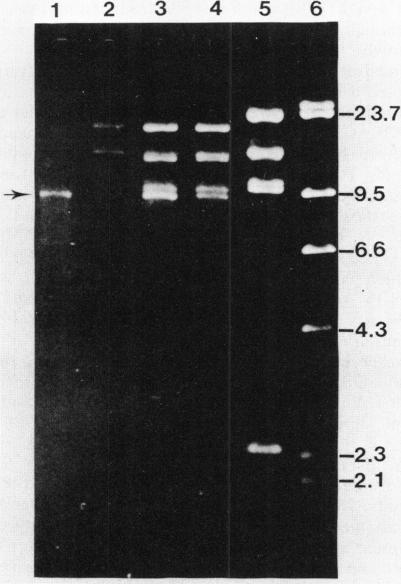
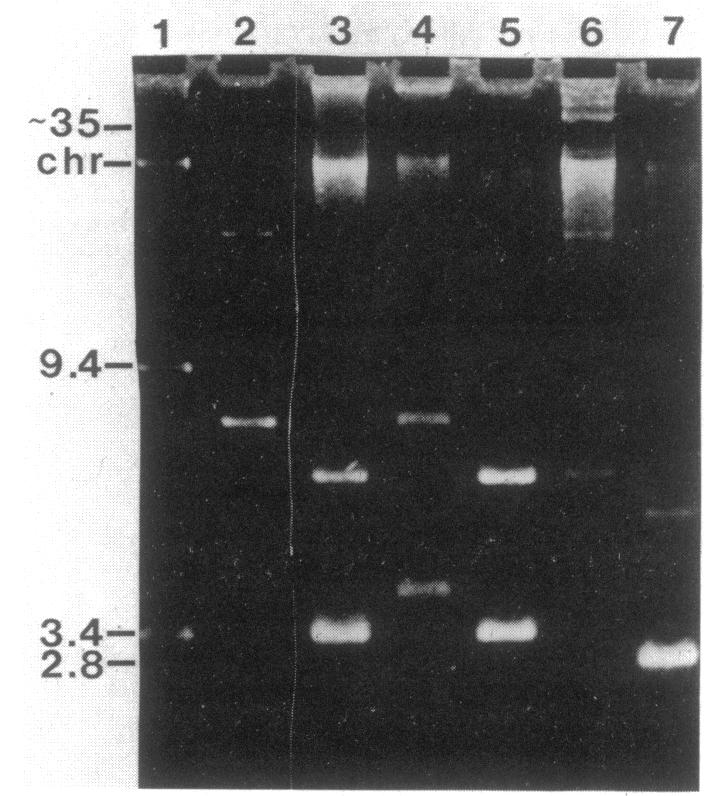
Cloning vectors were introduced into Streptococcus faecalis by conjugation. A conjugative plasmid (pVA797) and cloning vector pVA838 recombined in Streptococcus sanguis at homologous sequences, forming a cointegrate. The pVA797::pVA838 cointegrate transferred to S. faecalis by conjugation. Recombination between homologous sequences resolved the cointegrate in the S. faecalis transconjugants, and pVA797 and pVA838 segregated because of incompatibility. S. faecalis strains that received pVA838 by this mechanism contained plasmids indistinguishable from authentic pVA838 from Escherichia coli. Other plasmids, including pVA736, were introduced into S. faecalis by this method. This approach should facilitate the introduction of cloned DNA into S. faecalis.
通过接合作用将克隆载体导入粪肠球菌。一个接合性质粒(pVA797)和克隆载体pVA838在血链球菌的同源序列处发生重组,形成一个共整合体。pVA797::pVA838共整合体通过接合作用转移至粪肠球菌。同源序列之间的重组在粪肠球菌转接合子中分解了共整合体,并且由于不相容性,pVA797和pVA838发生了分离。通过这种机制获得pVA838的粪肠球菌菌株所含的质粒与来自大肠杆菌的正宗pVA838无法区分。包括pVA736在内的其他质粒也通过这种方法被导入粪肠球菌。这种方法应有助于将克隆的DNA导入粪肠球菌。