Cook J L, Hibbs J B, Lewis A M
Proc Natl Acad Sci U S A. 1980 Nov;77(11):6773-7. doi: 10.1073/pnas.77.11.6773.
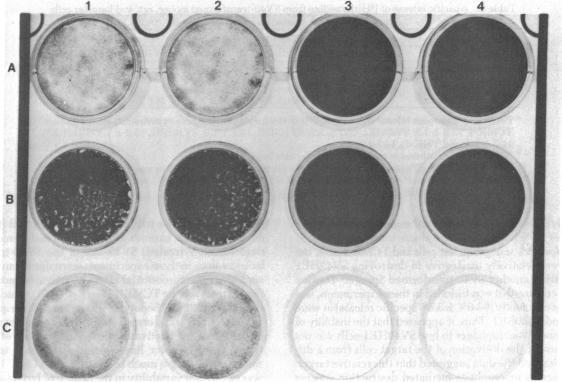
Simian virus 40 (SV40)-transformed hamster cells were relatively resistant to the lytic effect of activated macrophages from animals with chronic intracellular infections. Conversely, SV40-transformed mouse and rat cells and adenovirus 2-transformed hamster cells were highly susceptible to destruction by tumoricidal activated macrophages. The pattern of resistance or susceptibility of SV40-transformed rodent cells was the same whether activated macrophage effectors were obtained from mice, random-bred hamsters, or the inbred LSH hamsters from which some of the SV40-transformed hamster lines were derived. The results suggest that resistance of transformed cells to macrophage-mediated cytolysis may explain in part the species-specific oncogenicity of this DNA virus.
猴病毒40(SV40)转化的仓鼠细胞对来自患有慢性细胞内感染动物的活化巨噬细胞的裂解作用具有相对抗性。相反,SV40转化的小鼠和大鼠细胞以及腺病毒2转化的仓鼠细胞对具有杀肿瘤活性的活化巨噬细胞的破坏高度敏感。无论活化巨噬细胞效应细胞是从小鼠、随机繁殖的仓鼠还是某些SV40转化的仓鼠细胞系所源自的近交LSH仓鼠中获得,SV40转化的啮齿动物细胞的抗性或敏感性模式都是相同的。结果表明,转化细胞对巨噬细胞介导的细胞溶解的抗性可能部分解释了这种DNA病毒的物种特异性致癌性。