Mobley H L, Silver S, Porter F D, Rosen B P
Antimicrob Agents Chemother. 1984 Feb;25(2):157-61. doi: 10.1128/AAC.25.2.157.
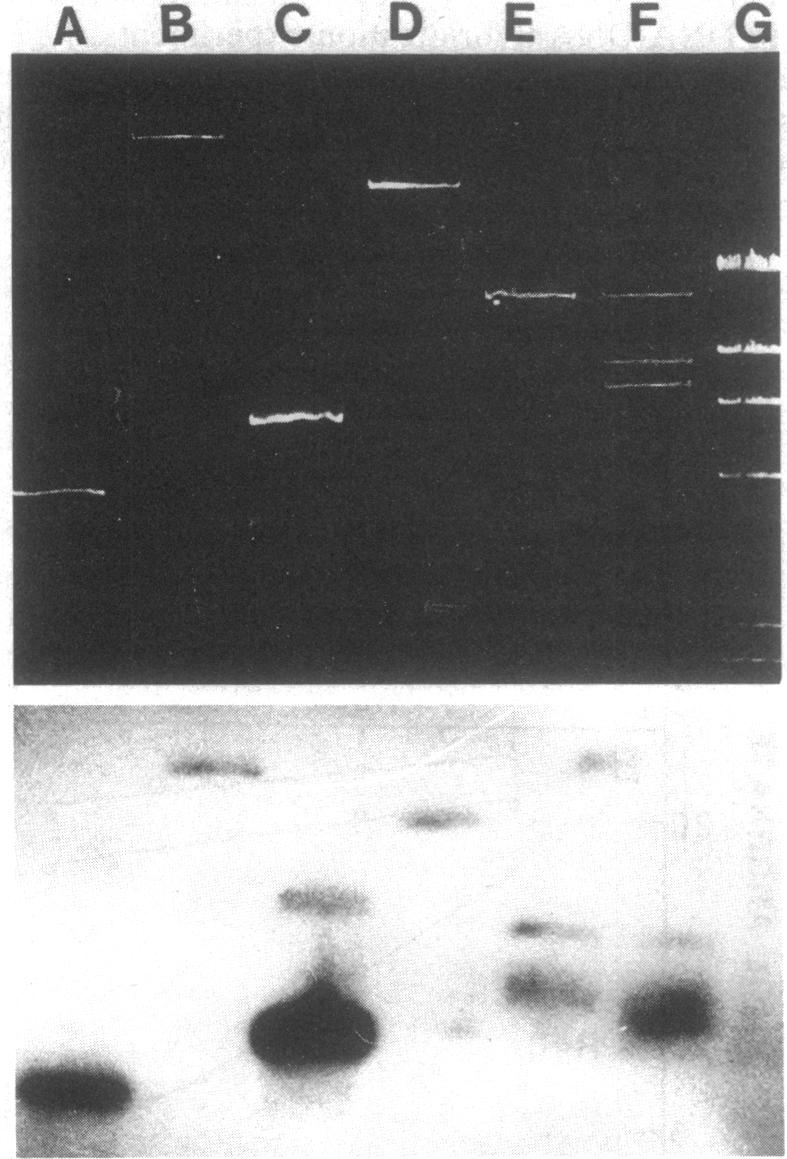
Escherichia coli bearing R factors R773 or R46 or hybrid recombinant plasmids carrying the arsenic resistance determinants derived from these plasmids synthesized inducible polypeptides of similar apparent molecular weights when exposed to arsenite salts (R773 derivative, 64,000 and 16,000; R46 derivative, 62,000, 16,500, and 13,500). In addition, both plasmids encoded energy-dependent arsenate efflux systems and demonstrated DNA sequence homology by filter blot hybridization. Human isolates of arsenate- and arsenite-resistant enterobacteria were tested for homology with the arsenate operon of R773 by colony blot hybridization. Approximately one-third of the isolates hybridized strongly, and two-thirds showed little or no evidence of homology, suggesting the presence of two or more genetically distinct arsenate resistant determinants.
携带R因子R773或R46的大肠杆菌,或携带源自这些质粒的抗砷决定簇的杂交重组质粒,在暴露于亚砷酸盐时会合成表观分子量相似的可诱导多肽(R773衍生物,64,000和16,000;R46衍生物,62,000、16,500和13,500)。此外,两种质粒都编码能量依赖性砷酸盐外排系统,并通过滤膜杂交证明了DNA序列同源性。通过菌落杂交检测了对砷酸盐和亚砷酸盐具有抗性的人源肠道细菌分离株与R773的砷酸盐操纵子的同源性。大约三分之一的分离株杂交强烈,三分之二则几乎没有或没有同源性证据,这表明存在两个或更多遗传上不同的抗砷酸盐决定簇。