Altherr M R, Kasweck K L
Appl Environ Microbiol. 1982 Oct;44(4):838-43. doi: 10.1128/aem.44.4.838-843.1982.
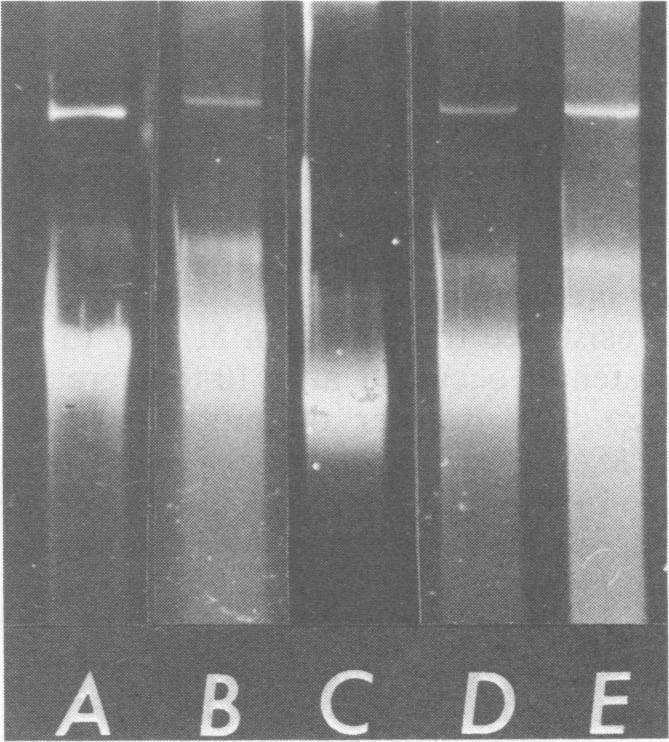
Coliform bacteria were isolated from raw sewage and sewage effluent-receiving waters and tested for their antibiotic susceptibility patterns and their ability to transfer antibiotic resistance to Escherichia coli K-12 C600. An environmental isolate of E. coli (MA527) capable of transferring antibiotic resistance to C600 was mated, both in vitro and in situ, with an antibiotic-sensitive E. coli environmental isolate (MA728). In situ matings were conducted in modified membrane diffusion chambers, in the degritter tank at the Grant Street (Melbourne, Fla.) sewage treatment facility, and in the sewage effluent-receiving waters in Melbourne, Fla. The transfer frequencies in situ were 3.2 x 10(-5) to 1.0 x 10(-6), compared with 1.6 x 10(-4) to 4.4 x 10(-5) observed in vitro. Transfer was shown to occur in raw sewage but was not detected in the effluent-receiving waters. The presence of a 60-megadalton plasmid species in both donor and transconjugants, but not in the recipients, provided physical evidence for the transfer of antibiotic resistance in situ.
从原污水和接纳污水的水体中分离出大肠菌群细菌,并对其抗生素敏感性模式以及将抗生素抗性转移至大肠杆菌K-12 C600的能力进行了测试。一株能够将抗生素抗性转移至C600的大肠杆菌环境分离株(MA527),在体外和原位条件下,与一株抗生素敏感的大肠杆菌环境分离株(MA728)进行了接合。原位接合在改良的膜扩散室、佛罗里达州墨尔本格兰特街污水处理设施的沉砂池中以及佛罗里达州墨尔本接纳污水的水体中进行。原位转移频率为3.2×10⁻⁵至1.0×10⁻⁶,而体外观察到的转移频率为1.6×10⁻⁴至4.4×10⁻⁵。结果表明转移发生在原污水中,但在接纳污水的水体中未检测到。供体菌和接合子中均存在一种60兆道尔顿的质粒,而受体菌中没有,这为原位抗生素抗性转移提供了物证。