Mach P A, Grimes D J
Appl Environ Microbiol. 1982 Dec;44(6):1395-403. doi: 10.1128/aem.44.6.1395-1403.1982.
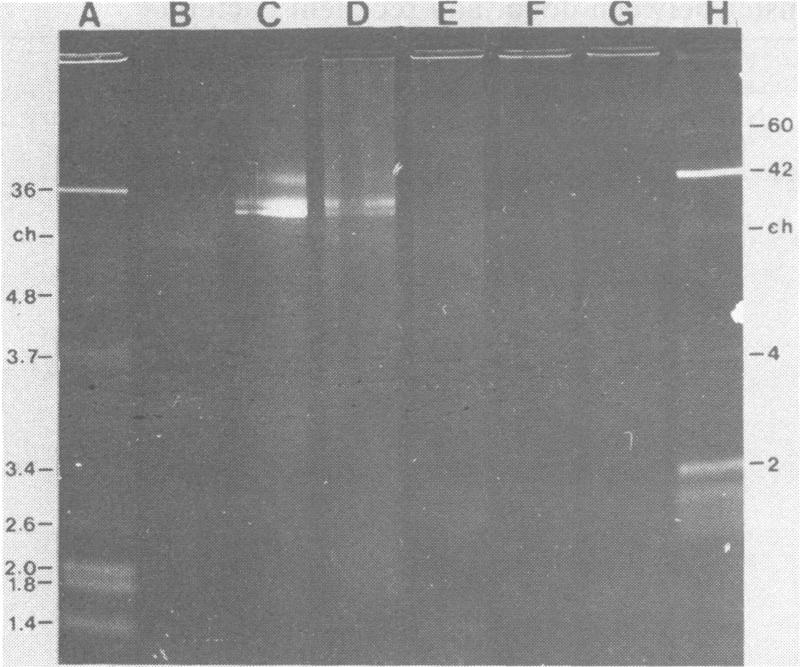
Enteric bacteria have been examined for their ability to transfer antibiotic resistance in a wastewater treatment plant. Resistant Salmonella enteritidis, Proteus mirabilis, and Escherichia coli were isolated from clinical specimens and primary sewage effluent. Resistance to ampicillin, chloramphenicol, streptomycin, sulfadiazine, and tetracycline was demonstrated by spread plate and tube dilution techniques. Plasmid mediation of resistance was shown by ethidium bromide curing, agarose gel electrophoresis, and direct cell transfer. Each donor was mated with susceptible E. coli and Shigella sonnei. Mating pairs (and recipient controls) were suspended in unchlorinated primary effluent that had been filtered and autoclaved. Suspensions were added to membrane diffusion chambers which were then placed in the primary and secondary setting tanks of the wastewater treatment plant. Resistant recombinants were detected by replica plating nutrient agar master plates onto xylose lysine desoxycholate agar plates that contained per milliliter of medium 10 micrograms of ampicillin, 30 micrograms of chloramphenicol, 10 micrograms of streptomycin, 100 micrograms of sulfadiazine, or 30 micrograms of tetracycline. Mean transfer frequencies for laboratory matings were 2.1 X 10(-3). In situ matings for primary and secondary settling resulted in frequencies of 4.9 X 10(-5) and 7.5 X 10(-5), respectively. These values suggest that a significant level of resistance transfer occurs in wastewater treatment plants in the absence of antibiotics as selective agents.
已对肠道细菌在废水处理厂中转移抗生素耐药性的能力进行了检测。从临床标本和原污水排放物中分离出了耐药肠炎沙门氏菌、奇异变形杆菌和大肠杆菌。通过平板涂布法和试管稀释法证明了这些细菌对氨苄青霉素、氯霉素、链霉素、磺胺嘧啶和四环素具有耐药性。通过溴化乙锭消除法、琼脂糖凝胶电泳法和直接细胞转移法显示了耐药性的质粒介导作用。将每种供体与敏感大肠杆菌和宋内志贺氏菌进行交配。将交配配对(以及受体对照)悬浮于经过过滤和高压灭菌的未氯化原污水中。将悬浮液加入到膜扩散室中,然后将其放置在废水处理厂的初级和二级沉淀池内。通过将营养琼脂母板影印接种到每毫升培养基含有10微克氨苄青霉素、30微克氯霉素、10微克链霉素、100微克磺胺嘧啶或30微克四环素的木糖赖氨酸脱氧胆酸盐琼脂平板上,来检测耐药重组体。实验室交配的平均转移频率为2.1×10⁻³。初级和二级沉淀的原位交配频率分别为4.9×10⁻⁵和7.5×10⁻⁵。这些数值表明,在没有抗生素作为选择剂的情况下,废水处理厂中会发生显著水平的耐药性转移。