Joris I, Majno G
Am J Pathol. 1981 Mar;102(3):346-58.
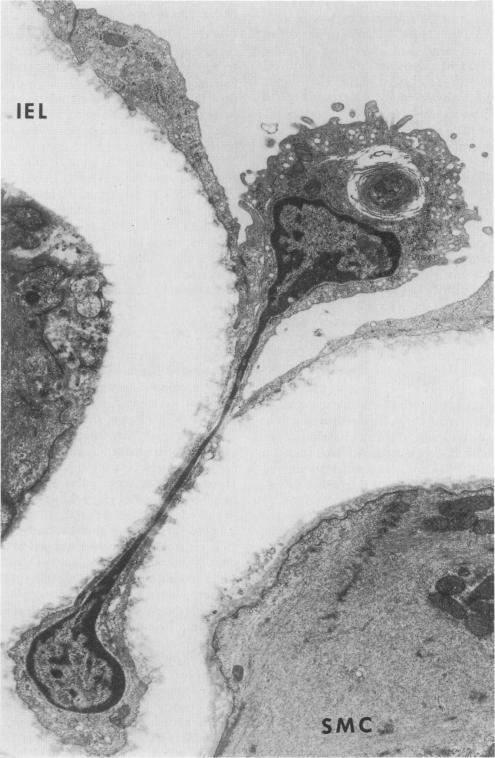
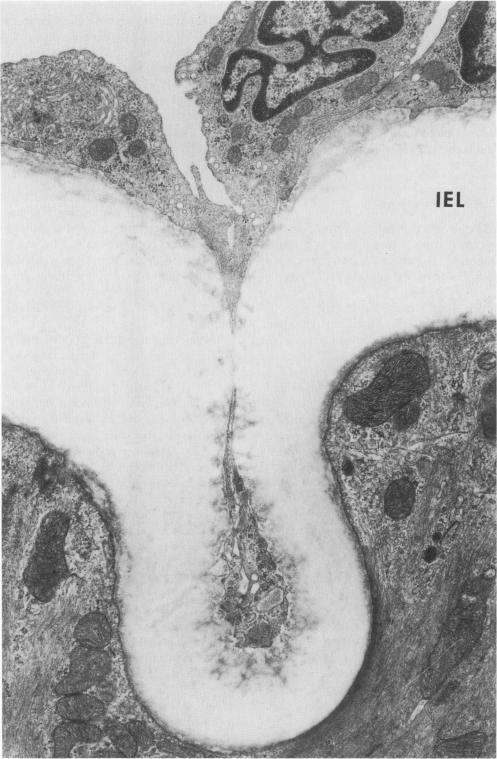
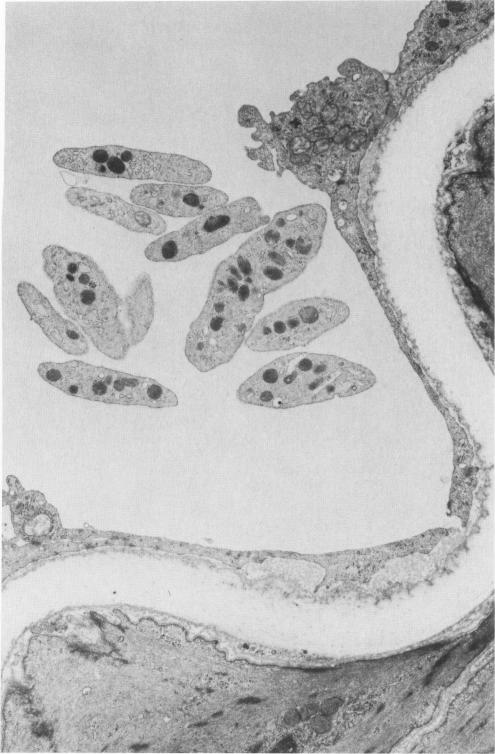
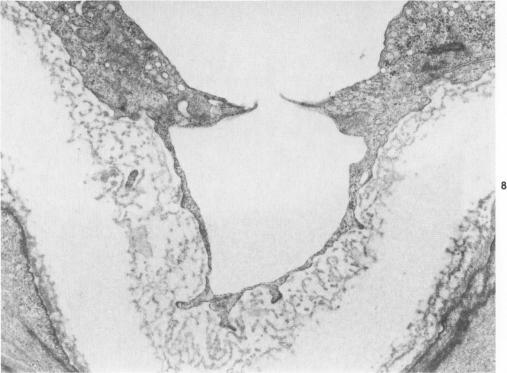
Prolonged arterial constriction can cause damage to the artery itself. The purpose of this study was to define the intimal changes. Two muscular arteries of the rat were studied by electron microscopy 15 minutes to 7 days after L-norepinephrine had been dripped over the vessels. Endothelial damage was caused by the tight folding of the internal elastic lamina, which mechanically squeezed the cells. As the artery relaxed, the endothelium showed gaps, patches of thinned cytoplasm, and many adhesions between cells on opposite sides of intimal folds. The adhesions involved whole cells of cytoplasmic bridges stretched across the intimal "valleys." They were present up to one day; later they seemed to snap and disappear without causing further cellular damage. A survey of the literature shows that such adhesions can also develop in collapsed arteries postmortem. They explain the endothelial "bridges" previously described by others as a normal intimal structure.
动脉长期收缩会对动脉本身造成损害。本研究的目的是确定内膜变化。在大鼠的两条肌性动脉上滴注L-去甲肾上腺素15分钟至7天后,用电子显微镜进行研究。内皮损伤是由内弹性膜紧密折叠引起的,内弹性膜机械性挤压细胞。随着动脉舒张,内皮出现间隙、细胞质变薄区域以及内膜褶皱两侧细胞间的许多粘连。粘连涉及穿过内膜“谷底”的整个细胞质桥细胞。它们可持续存在一天;之后它们似乎断裂并消失,未造成进一步的细胞损伤。文献调查表明,这种粘连也可在死后塌陷的动脉中出现。它们解释了其他人之前描述为正常内膜结构的内皮“桥”。