Brotons J A, Olea-Serrano M F, Villalobos M, Pedraza V, Olea N
Laboratorio de Investigaciones Médicas, Universidad de Granada, Spain.
Environ Health Perspect. 1995 Jun;103(6):608-12. doi: 10.1289/ehp.95103608.
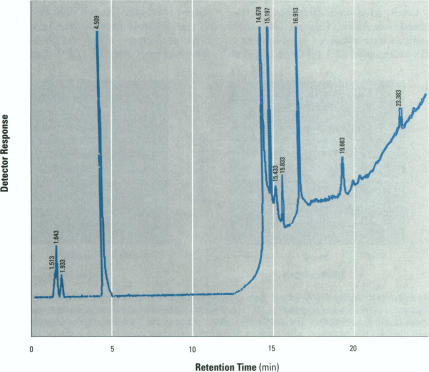
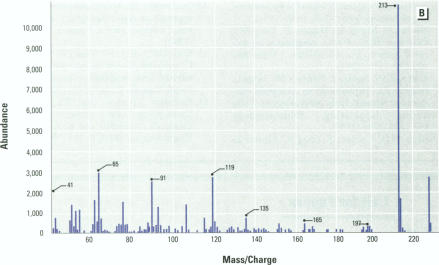
We present data showing that some foods preserved in lacquer-coated cans and the liquid in them may acquire estrogenic activity. Hormonal activity was measured using the E-screen bioassay. The biological activity of vegetables packed in cans was a result of plastic monomers used in manufacturing the containers. The plastic monomer bisphenol-A, identified by mass spectrometry, was found as a contaminant not only in the liquid of the preserved vegetables but also in water autoclaved in the cans. The amount of bisphenol-A in the extracts accounted for all the hormonal activity measured. Although the presence of other xenoestrogens cannot be ruled out, it is apparent that all estrogenic activity in these cans was due to bisphenol-A leached from the lacquer coating. The use of plastic in food-packaging materials may require closer scrutiny to determine whether epoxy resins and polycarbonates contribute to human exposure to xenoestrogens.
我们提供的数据表明,一些保存在涂漆罐中的食品及其罐内液体可能会产生雌激素活性。使用E-screen生物测定法测量激素活性。罐装蔬菜的生物活性是制造容器时使用的塑料单体所致。通过质谱鉴定的塑料单体双酚A,不仅在腌制蔬菜的液体中被发现,在罐中高压灭菌的水中也被发现是一种污染物。提取物中双酚A的含量与所测得的所有激素活性相符。尽管不能排除其他外源性雌激素的存在,但很明显,这些罐中的所有雌激素活性都是由于从漆涂层中浸出的双酚A所致。食品包装材料中塑料的使用可能需要更仔细的审查,以确定环氧树脂和聚碳酸酯是否会导致人类接触外源性雌激素。