Håkansson A, Zhivotovsky B, Orrenius S, Sabharwal H, Svanborg C
Department of Medical Microbiology, Lund University, Sweden.
Proc Natl Acad Sci U S A. 1995 Aug 15;92(17):8064-8. doi: 10.1073/pnas.92.17.8064.
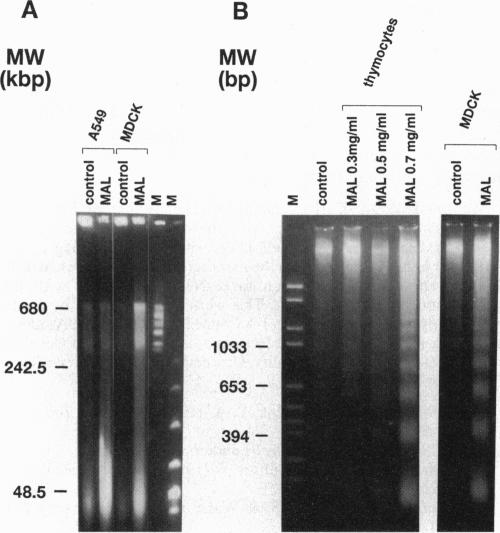
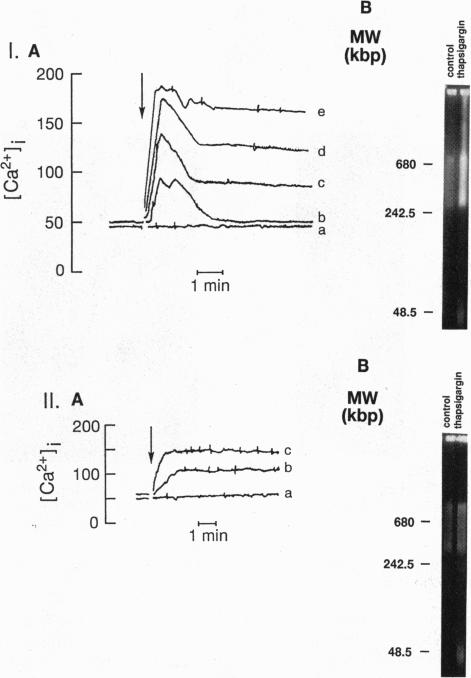
To the breast-fed infant, human milk is more than a source of nutrients; it furnishes a wide array of molecules that restrict microbes, such as antibodies, bactericidins, and inhibitors of bacterial adherence. However, it has rarely been considered that human milk may also contain substances bioactive toward host cells. While investigating the effect of human milk on bacterial adherence to a human lung cancer cell line, we were surprised to discover that the milk killed the cells. Analysis of this effect revealed that a component of milk in a particular physical state--multimeric alpha-lact-albumin--is a potent Ca(2+)-elevating and apoptosis-inducing agent with broad, yet selective, cytotoxic activity. Multimeric alpha-lactalbumin killed all transformed, embryonic, and lymphoid cells tested but spared mature epithelial elements. These findings raise the possibility that milk contributes to mucosal immunity not only by furnishing antimicrobial molecules but also by policing the function of lymphocytes and epithelium. Finally, analysis of the mechanism by which multimeric alpha-lactalbumin induces apoptosis in transformed epithelial cells could lead to the design of antitumor agents.
对于母乳喂养的婴儿来说,母乳不仅仅是营养来源;它还提供了一系列限制微生物的分子,如抗体、杀菌素和细菌黏附抑制剂。然而,人们很少考虑到母乳可能还含有对宿主细胞具有生物活性的物质。在研究母乳对细菌黏附于人肺癌细胞系的影响时,我们惊讶地发现母乳会杀死这些细胞。对这种效应的分析表明,处于特定物理状态的母乳成分——多聚体α-乳白蛋白——是一种强大的钙升高和诱导凋亡剂,具有广泛但有选择性的细胞毒性活性。多聚体α-乳白蛋白杀死了所有测试的转化细胞、胚胎细胞和淋巴细胞,但未损伤成熟上皮细胞。这些发现提出了一种可能性,即母乳不仅通过提供抗菌分子,还通过监管淋巴细胞和上皮细胞的功能来促进黏膜免疫。最后,对多聚体α-乳白蛋白诱导转化上皮细胞凋亡机制的分析可能会导致抗肿瘤药物的设计。