Giorgino F, Almahfouz A, Goodyear L J, Smith R J
Research Division, Joslin Diabetes Center, Boston, Massachusetts 02215.
J Clin Invest. 1993 May;91(5):2020-30. doi: 10.1172/JCI116424.
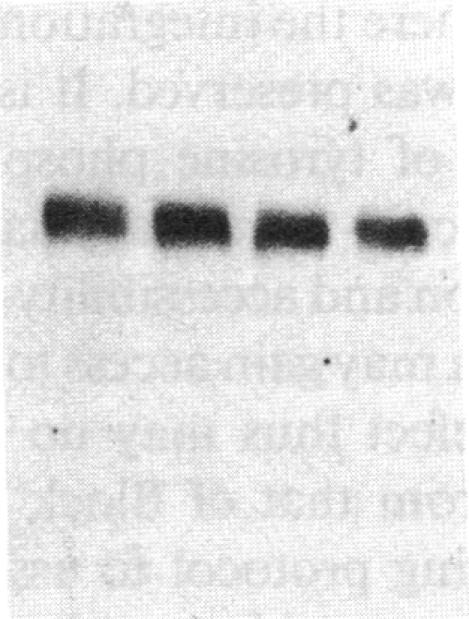
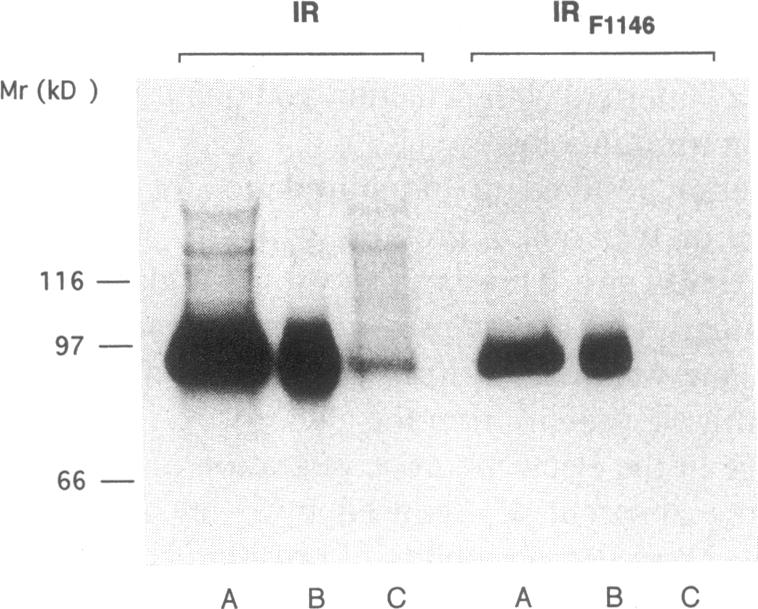
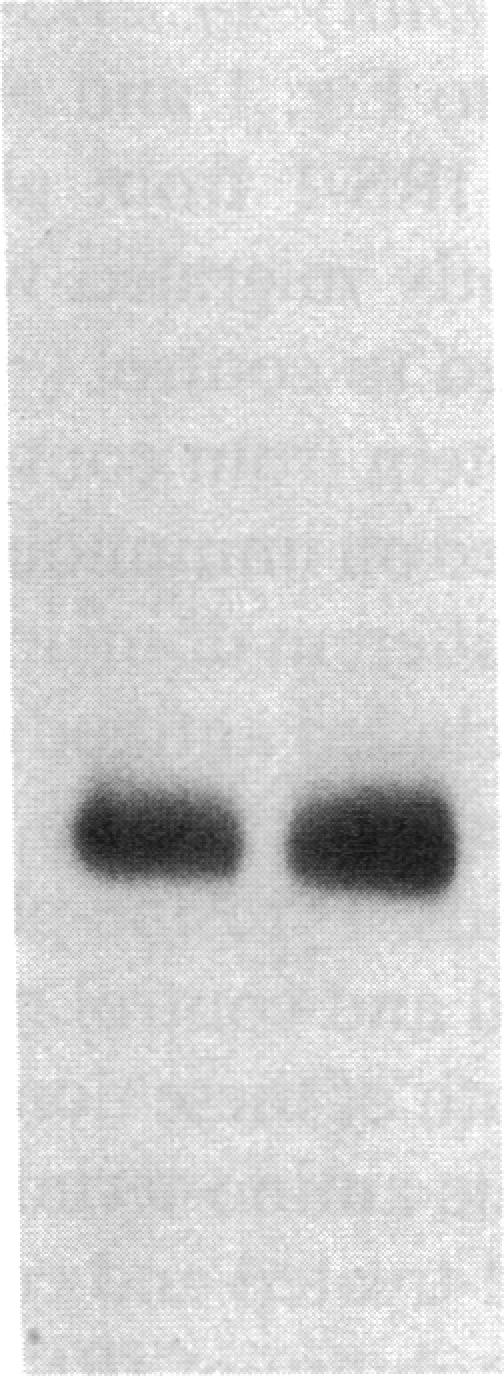
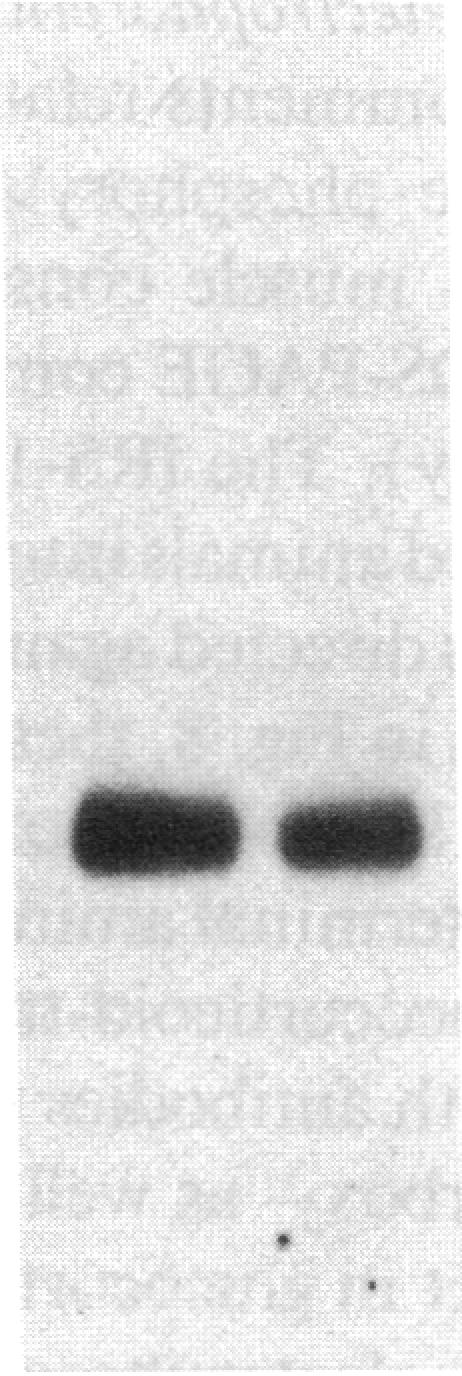
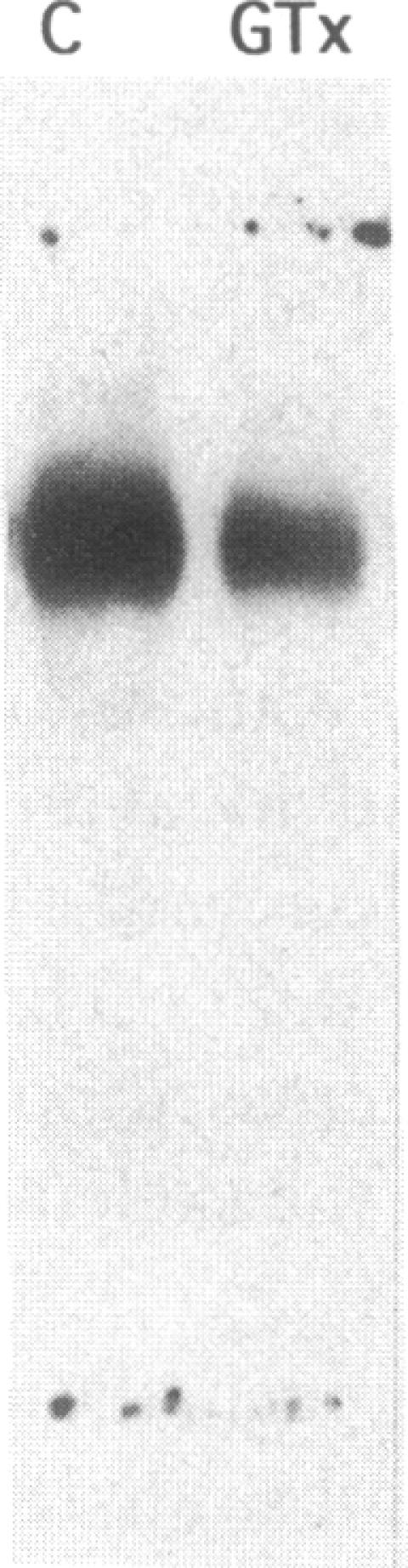
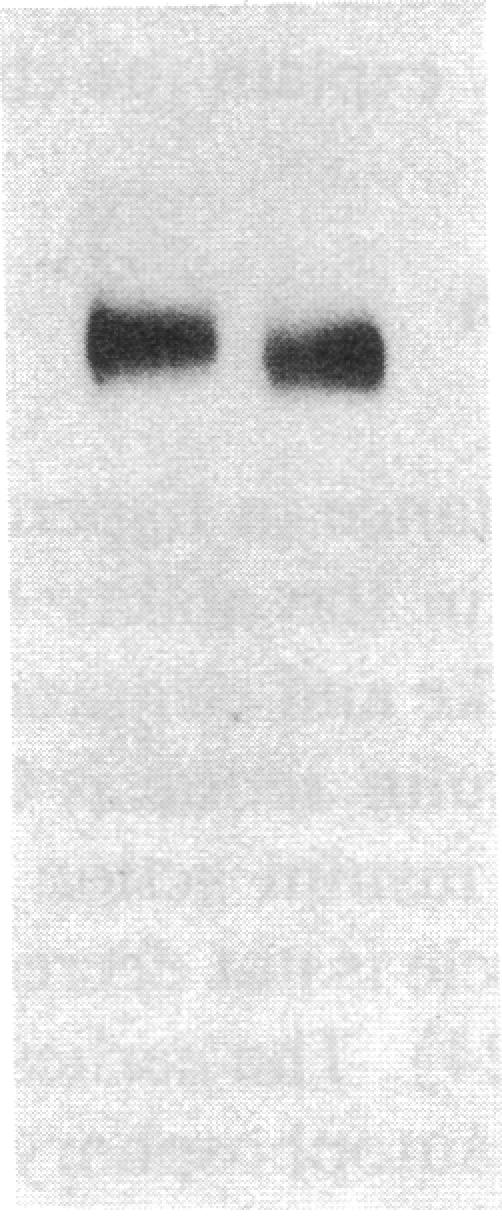
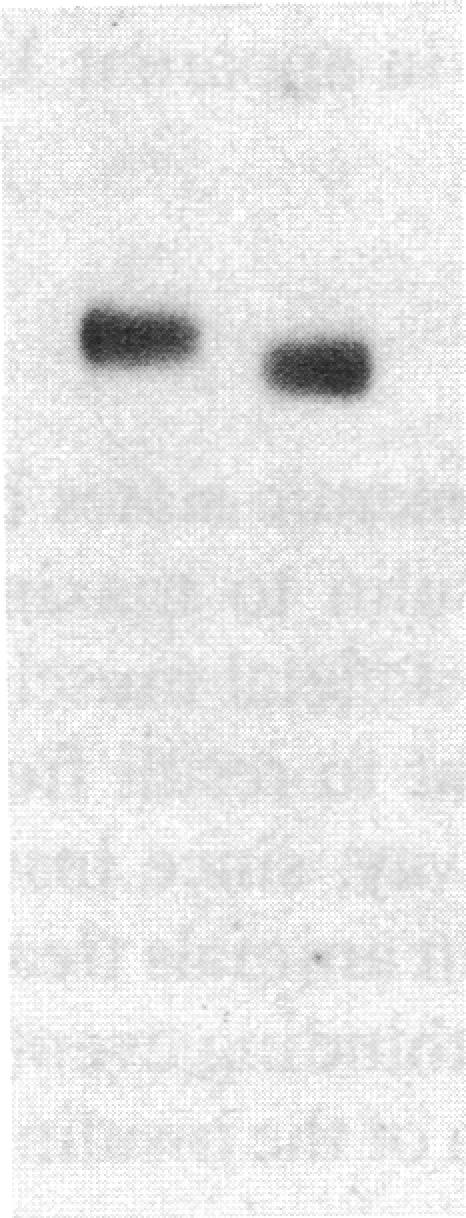
To test the hypothesis that glucocorticoid-induced insulin resistance might originate from abnormalities in insulin receptor signaling, we investigated the effects of glucocorticoids on in vivo tyrosine phosphorylation of the insulin receptor and the insulin receptor substrate IRS-1 in rat skeletal muscle. Male Sprague-Dawley rats were treated with cortisone (100 mg/kg for 5 d) and compared to pair-fed controls. Cortisone treatment of rats resulted in both hyperglycemia and hyperinsulinemia. Anesthetized animals were injected with 10 U/kg insulin via cardiac puncture and, after 2 min, hindlimb muscles were removed, snap-frozen, and homogenized in SDS. Protein tyrosine phosphorylation was studied by immunoblotting with phosphotyrosine antibody. Insulin receptors and substrate IRS-1 were identified and quantified with specific antibodies. Cortisone treatment increased the amount of insulin receptor protein by 36%, but decreased the total level of receptor tyrosine phosphorylation (69 +/- 4% of control, P < 0.05). The decreased level of receptor phosphorylation was explained by a reduced number of receptors containing phosphorylated tyrosine residues (64.6 +/- 5% of control, P < 0.05). Glucocorticoid excess decreased skeletal muscle IRS-1 content by 50%, but did not significantly alter the total level of IRS-1 tyrosine phosphorylation. The apparent M(r) of IRS-1 was reduced by approximately 10 kD. Treatment with protein phosphatase-2A reduced IRS-1 M(r) in control but not in glucocorticoid-treated muscle indicating that the lower M(r) likely results from lower phosphoserine and/or phosphothreonine content. To investigate the role of hyperinsulinemia in the glucocorticoid response, rats were made insulin-deficient with streptozotocin (100 mg/kg, i.p.). Subsequent treatment with cortisone for 5 d had no effects on insulin levels, tyrosine phosphorylation of insulin receptors or IRS-1, or the M(r) of IRS-1. In conclusion, glucocorticoid-treated skeletal muscle is characterized by: (a) decreased total tyrosine phosphorylation of insulin receptors as a result of a reduction in the pool of receptors undergoing tyrosine phosphorylation; (b) decreased IRS-1 content and reduced serine and/or threonine phosphorylation of IRS-1. Glucocorticoid-induced hyperinsulinemia appears to be essential for the development of these alterations.
为了验证糖皮质激素诱导的胰岛素抵抗可能源于胰岛素受体信号转导异常这一假说,我们研究了糖皮质激素对大鼠骨骼肌中胰岛素受体及胰岛素受体底物IRS-1的体内酪氨酸磷酸化的影响。将雄性Sprague-Dawley大鼠用可的松(100 mg/kg,持续5天)处理,并与配对喂养的对照组进行比较。给大鼠注射可的松导致了高血糖和高胰岛素血症。对麻醉的动物通过心脏穿刺注射10 U/kg胰岛素,2分钟后,取出后肢肌肉,速冻并在SDS中匀浆。通过用磷酸酪氨酸抗体进行免疫印迹研究蛋白质酪氨酸磷酸化。用特异性抗体鉴定并定量胰岛素受体和底物IRS-1。可的松处理使胰岛素受体蛋白量增加了36%,但降低了受体酪氨酸磷酸化的总水平(为对照的69±4%,P<0.05)。受体磷酸化水平的降低是由于含有磷酸化酪氨酸残基的受体数量减少(为对照的64.6±5%,P<0.05)。糖皮质激素过量使骨骼肌IRS-1含量降低了50%,但未显著改变IRS-1酪氨酸磷酸化的总水平。IRS-1的表观分子量降低了约10 kD。用蛋白磷酸酶-2A处理降低了对照肌肉中IRS-1的分子量,但在糖皮质激素处理的肌肉中未降低,这表明较低的分子量可能是由于较低的磷酸丝氨酸和/或磷酸苏氨酸含量所致。为了研究高胰岛素血症在糖皮质激素反应中的作用,用链脲佐菌素(100 mg/kg,腹腔注射)使大鼠胰岛素缺乏。随后用可的松处理5天对胰岛素水平、胰岛素受体或IRS-1的酪氨酸磷酸化或IRS-1的分子量没有影响。总之,糖皮质激素处理的骨骼肌的特征为:(a)由于经历酪氨酸磷酸化的受体池减少,胰岛素受体的总酪氨酸磷酸化降低;(b)IRS-1含量降低以及IRS-1的丝氨酸和/或苏氨酸磷酸化减少。糖皮质激素诱导的高胰岛素血症似乎对这些改变的发生至关重要。