Aarli J A, Aparicio S R, Lumsden C E, Tönder O
Immunology. 1975 Jan;28(1):171-85.
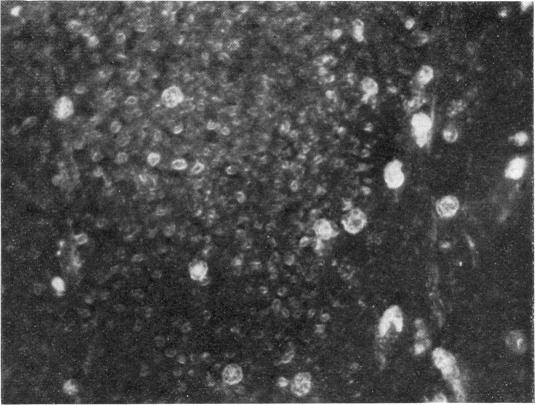
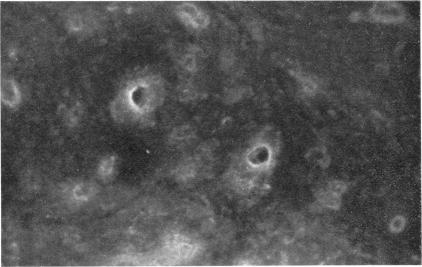
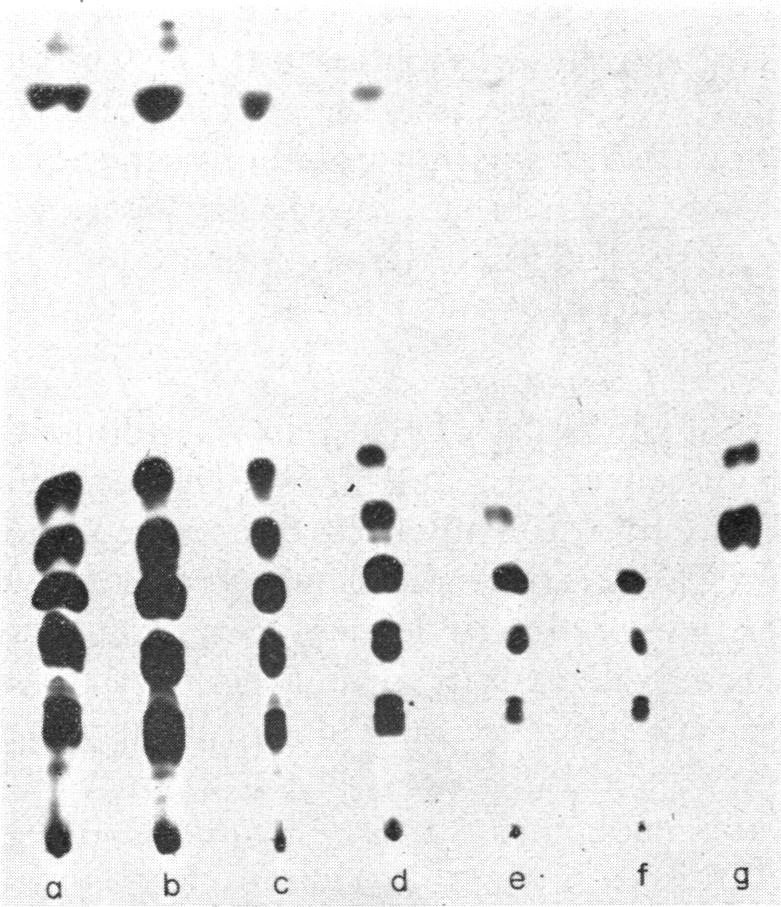
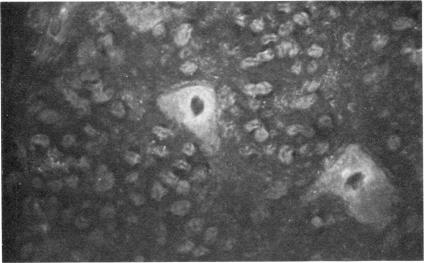
The binding of normal human serum, purified IgG and IgG fragments to central nervous tissue was studied by the anti-globulin consumption (AGCT) and immunofluorescence (IF) techniques. In the AGCT, F(ab')2 fragments failed to react, whereas IgG and Fc fragments did so. In IF experiments, the binding was localized to myelin sheaths, glia and neurons; Fab monomers at a protein concentration of 1-3 mg/ml dod not react with the tissue, but purified Fc fragments at 0-0625 mg/ml did. The binding is neither tissue- nor species-specific. Lipid and protein extraction procedures indicated that the factor responsible for binding to myelin was basic protein. It was concluded that the binding of normal IgG to central nervous tissue is medicated by the Fc part of the molecule.
采用抗球蛋白消耗法(AGCT)和免疫荧光法(IF)研究了正常人血清、纯化的IgG及IgG片段与中枢神经组织的结合情况。在AGCT实验中,F(ab')2片段无反应,而IgG和Fc片段有反应。在IF实验中,结合定位在髓鞘、神经胶质和神经元;蛋白质浓度为1 - 3mg/ml的Fab单体不与组织反应,但0.0625mg/ml的纯化Fc片段有反应。这种结合既无组织特异性也无物种特异性。脂质和蛋白质提取程序表明,与髓鞘结合的因子是碱性蛋白。得出的结论是,正常IgG与中枢神经组织的结合是由分子的Fc部分介导的。