Wu X, Wakamiya M, Vaishnav S, Geske R, Montgomery C, Jones P, Bradley A, Caskey C T
Institute for Molecular Genetics, Baylor College of Medicine, Houston, TX 77030.
Proc Natl Acad Sci U S A. 1994 Jan 18;91(2):742-6. doi: 10.1073/pnas.91.2.742.
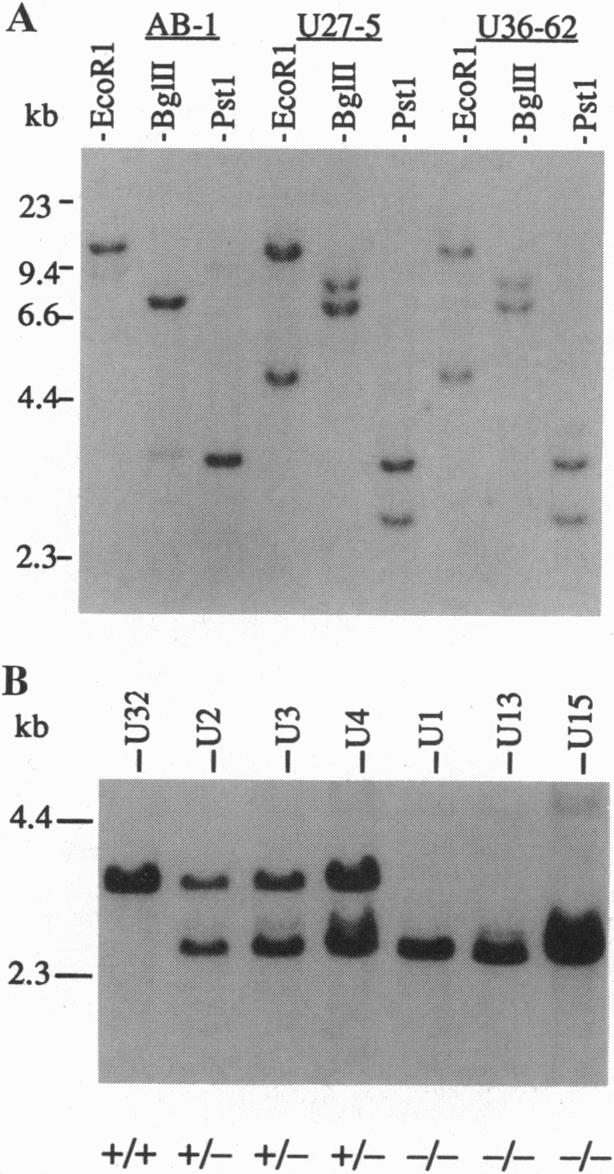
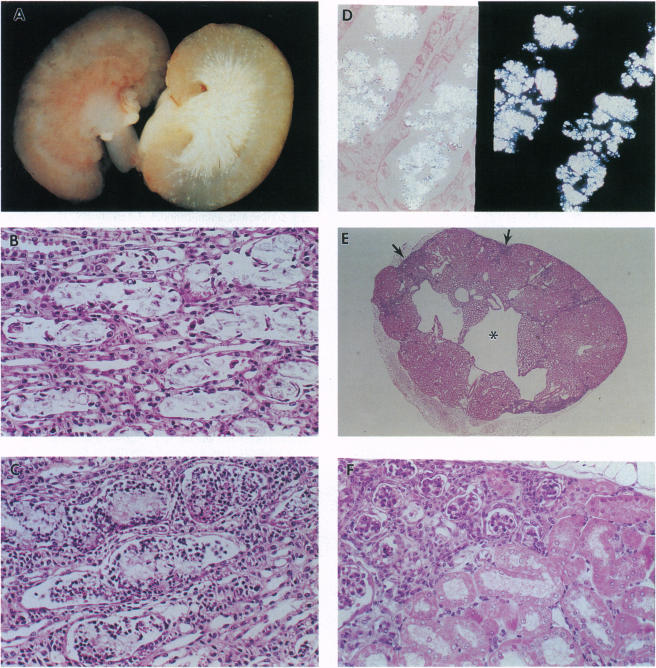
Urate oxidase, or uricase (EC 1.7.3.3), is a purine metabolic enzyme that catalyzes the conversion of uric acid to allantoin in most mammals except humans and certain other primates. The loss of urate oxidase in the human during primate evolution predisposes man to hyperuricemia, a metabolic disturbance that can lead to gouty arthritis and renal stones. To create a mouse model for hyperuricemia and gout, and to address the question of whether urate oxidase is essential in lower mammalian species, we have disrupted the urate oxidase gene in the mouse by homologous recombination in embryonic stem cells. Unlike the human situation, urate oxidase deficiency in mice causes pronounced hyperuricemia and urate nephropathy. More than half of the mutant mice died before 4 weeks of age, indicating that urate oxidase is essential in mice. These mutant mice may also serve as animal models for hyperuricemia and its related nephropathy in humans.
尿酸氧化酶,即尿酸酶(EC 1.7.3.3),是一种嘌呤代谢酶,在除人类和某些其他灵长类动物之外的大多数哺乳动物中,催化尿酸转化为尿囊素。在灵长类动物进化过程中,人类尿酸氧化酶的缺失使人类易患高尿酸血症,这是一种可导致痛风性关节炎和肾结石的代谢紊乱疾病。为了创建高尿酸血症和痛风的小鼠模型,并解决尿酸氧化酶在低等哺乳动物物种中是否必不可少的问题,我们通过胚胎干细胞中的同源重组,破坏了小鼠的尿酸氧化酶基因。与人类情况不同,小鼠尿酸氧化酶缺乏会导致明显的高尿酸血症和尿酸肾病。超过一半的突变小鼠在4周龄前死亡,这表明尿酸氧化酶在小鼠中是必不可少的。这些突变小鼠也可作为人类高尿酸血症及其相关肾病的动物模型。