Ewanowich C A, Chui L W, Paranchych M G, Peppler M S, Marusyk R G, Albritton W L
Provincial Laboratory of Public Health for Northern Alberta, Edmonton, Canada.
J Clin Microbiol. 1993 Jul;31(7):1715-25. doi: 10.1128/jcm.31.7.1715-1725.1993.
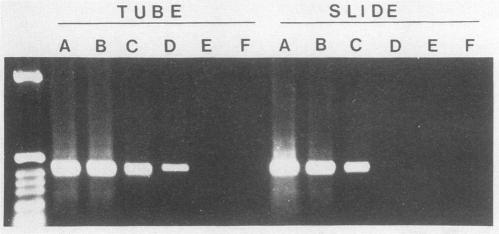
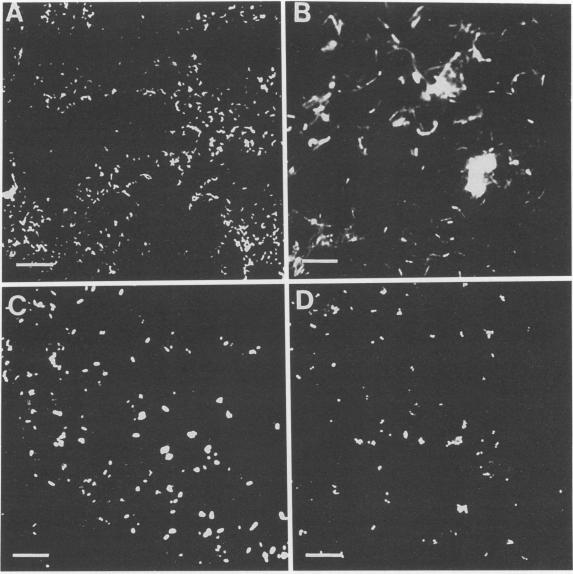
A major outbreak of 5,683 cases of pertussis occurred in northern Alberta, Canada, from December 1989 to January 1991. The outbreak highlighted a number of problems with current methods of pertussis diagnosis. In particular, an exceptionally high proportion of direct fluorescent-antibody (DFA)-positive, culture-negative specimens (88.4%) was identified. We took this opportunity to use polymerase chain reaction (PCR) methodology to examine whether the low culture rates were due to specimens containing dead organisms or whether the DFA results represented high numbers of false-positive results. A set of primer sequences within a Bordetella pertussis-specific repetitive element was used to amplify proteinase K extracts of B. pertussis DNA recovered from 279 submitted slides inoculated at the point of collection with nasopharyngeal material obtained from pernasal swabs. The PCR data corroborated the culture results: 84.6% of DFA-positive, culture-negative specimens were similarly PCR negative. At least three different bacterial species that were significantly cross-reactive with the commercial DFA reagent were identified in clinical specimens and in pure culture, providing one possible explanation for the false-positive DFA results. These results and other limitations of current diagnostic techniques underline the urgent need for a new DFA reagent with improved specificity and a standardized means of measuring the patient antibody response for the diagnosis of pertussis.
1989年12月至1991年1月,加拿大艾伯塔省北部发生了一起5683例百日咳的大规模疫情。此次疫情凸显了当前百日咳诊断方法存在的一些问题。特别是,发现了比例异常高的直接荧光抗体(DFA)检测呈阳性但培养阴性的标本(88.4%)。我们借此机会使用聚合酶链反应(PCR)方法来研究培养率低是因为标本中含有死菌,还是DFA检测结果代表大量假阳性结果。利用百日咳博德特氏菌特异性重复元件内的一组引物序列,对从279份提交的载玻片上回收的百日咳博德特氏菌DNA的蛋白酶K提取物进行扩增,这些载玻片在采集点接种了从鼻拭子获得的鼻咽材料。PCR数据证实了培养结果:84.6%的DFA检测呈阳性但培养阴性的标本同样PCR检测为阴性。在临床标本和纯培养物中鉴定出至少三种与商用DFA试剂有显著交叉反应的不同细菌物种,这为DFA检测结果出现假阳性提供了一种可能的解释。这些结果以及当前诊断技术的其他局限性突显了迫切需要一种特异性更高的新型DFA试剂以及一种标准化的方法来测量患者的抗体反应以诊断百日咳。