Chetverin A B, Chetverina H V, Demidenko A A, Ugarov V I
Institute of Protein Research, Russian Academy of Sciences, Moscow Region.
Cell. 1997 Feb 21;88(4):503-13. doi: 10.1016/s0092-8674(00)81890-5.
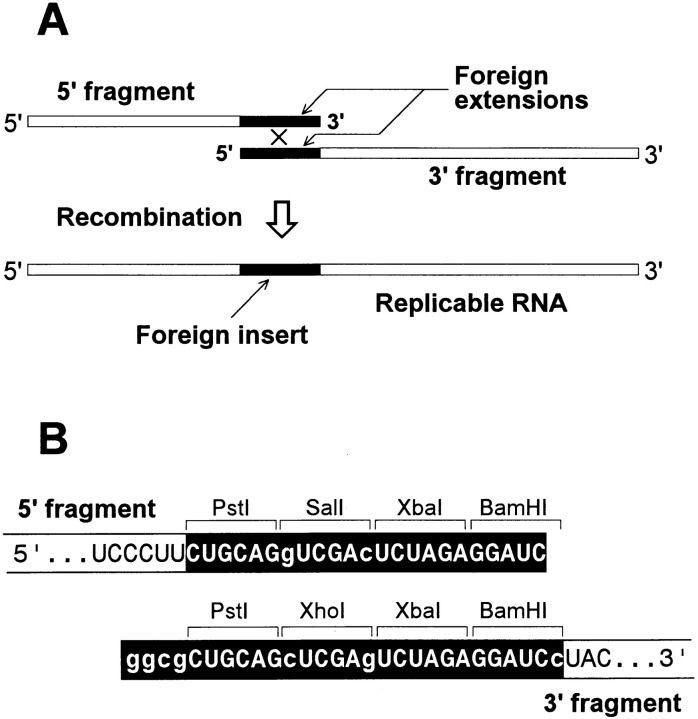
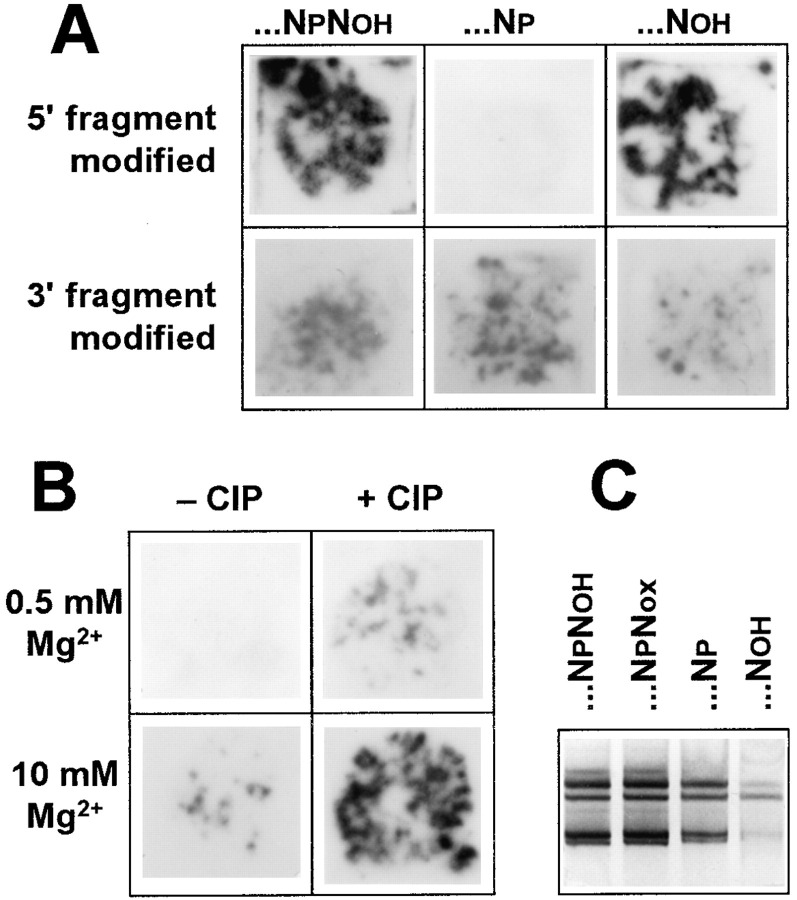
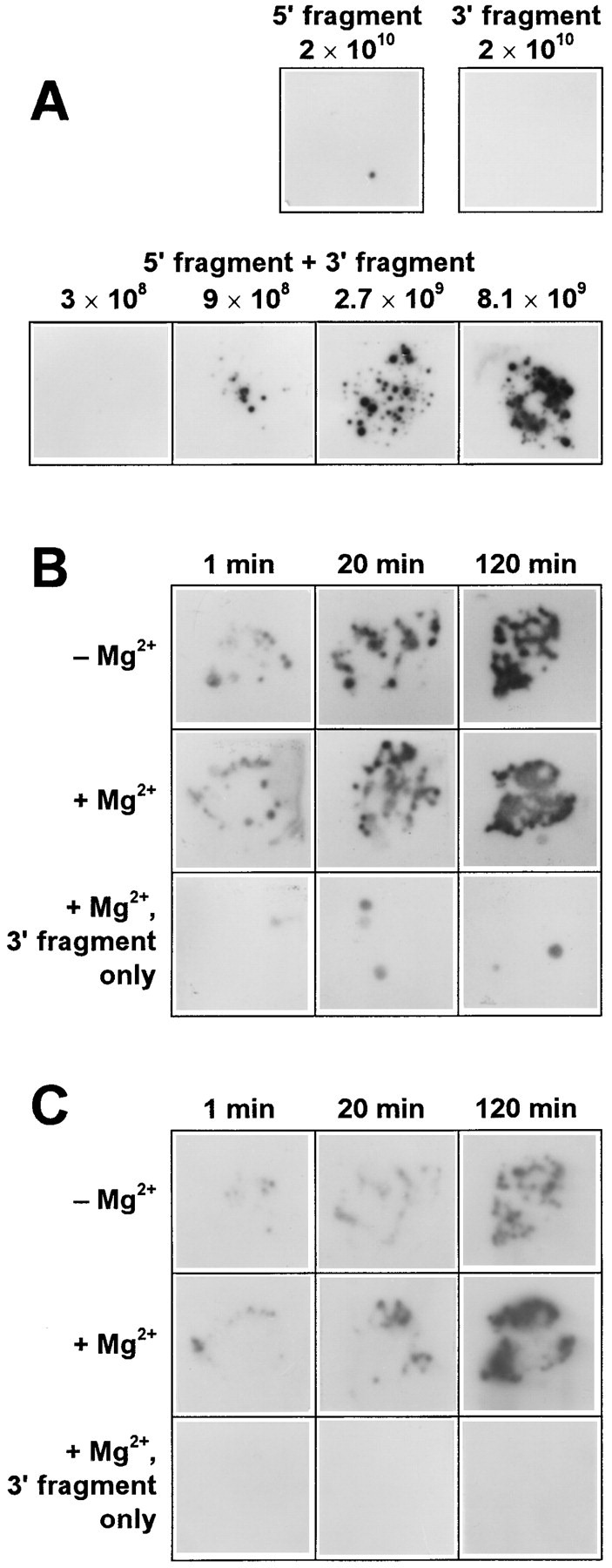
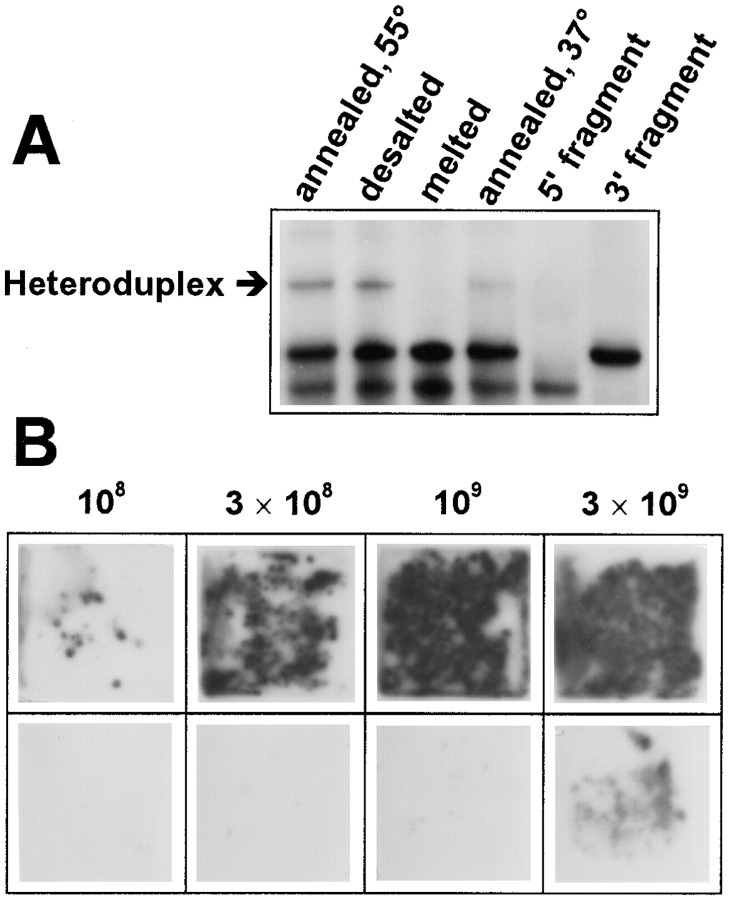
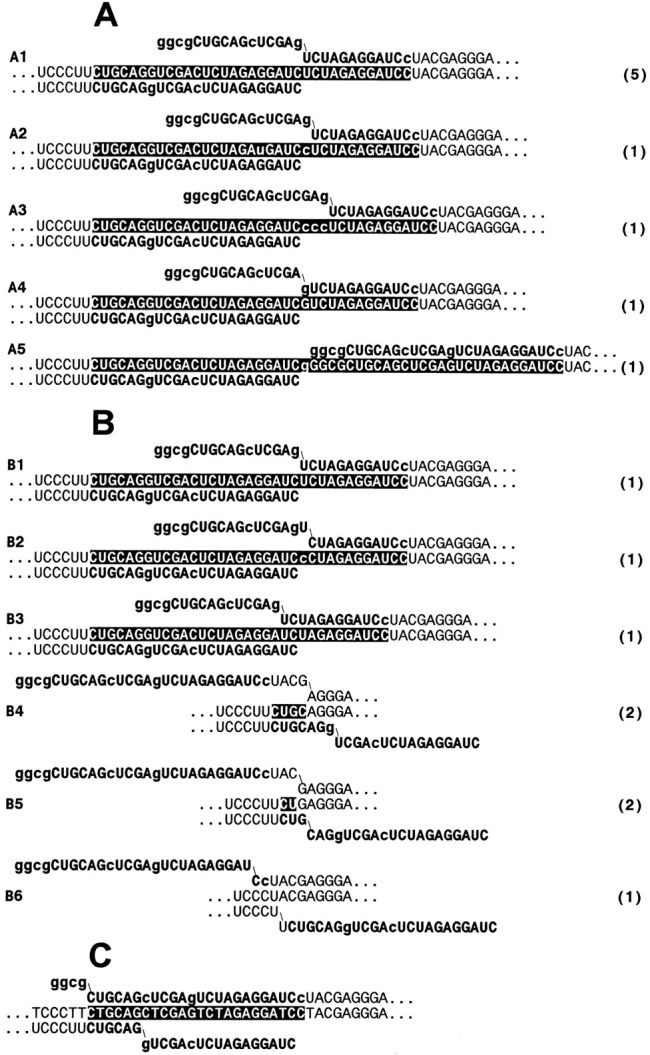
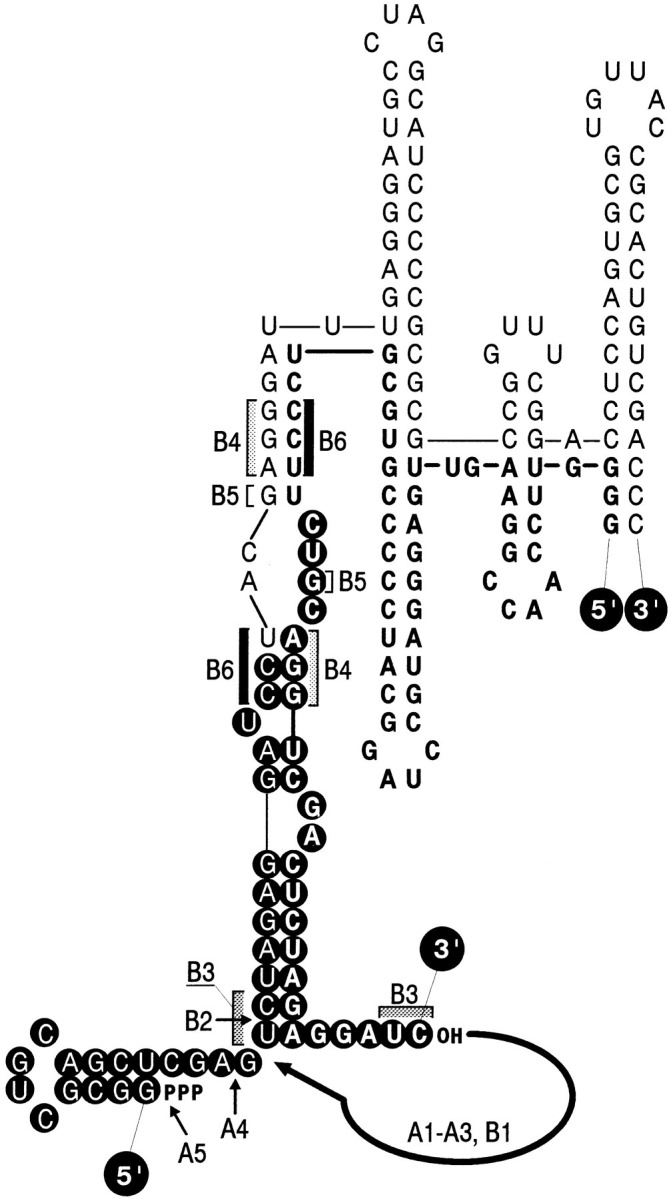
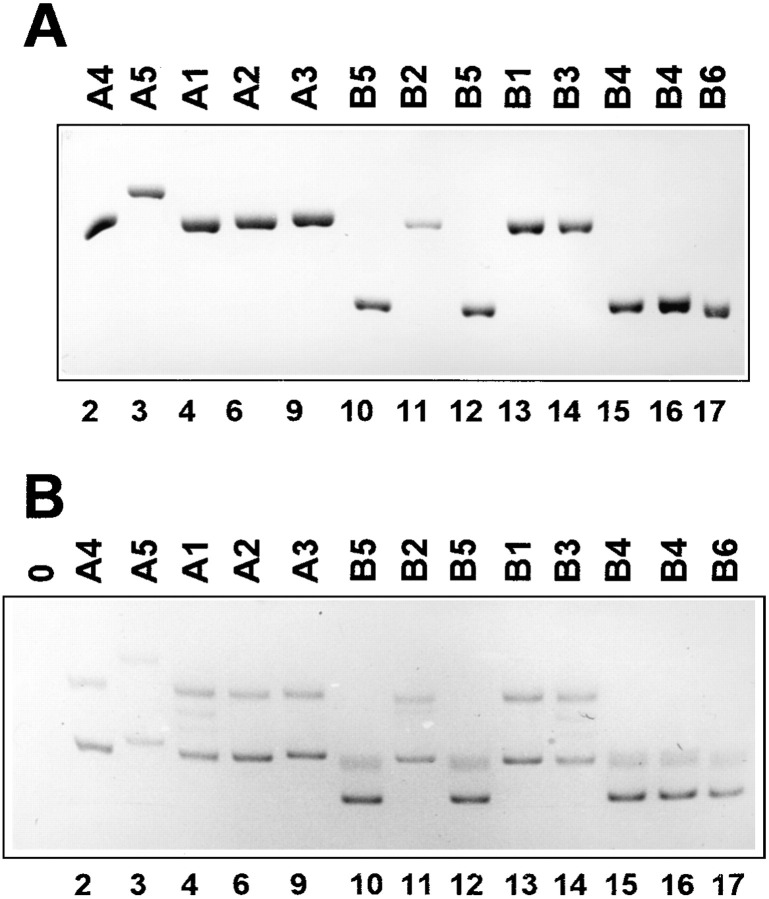
Extensive nonhomologous recombinations occur between the 5' and 3' fragments of a replicable RNA in a cell-free system composed of pure Qbeta phage replicase and ribonucleoside triphosphates, providing direct evidence for the ability of RNAs to recombine without DNA intermediates and in the absence of host cell proteins. The recombination events are revealed by the molecular colony technique that allows single RNA molecules to be cloned in vitro. The observed nonhomologous recombinations are entirely dependent on the 3' hydroxyl group of the 5' fragment, and are due to a splicing-like reaction in which RNA secondary structure guides the attack of this 3' hydroxyl on phosphoester bonds within the 3' fragment.
在由纯Qβ噬菌体复制酶和核糖核苷三磷酸组成的无细胞体系中,可复制RNA的5'和3'片段之间发生广泛的非同源重组,这为RNA在没有DNA中间体且不存在宿主细胞蛋白的情况下进行重组的能力提供了直接证据。重组事件通过分子克隆技术得以揭示,该技术可使单个RNA分子在体外被克隆。观察到的非同源重组完全依赖于5'片段的3'羟基,并且是由于一种类似剪接的反应,其中RNA二级结构引导该3'羟基对3'片段内的磷酸酯键进行攻击。