Schaar B T, Chan G K, Maddox P, Salmon E D, Yen T J
Cell and Molecular Biology Graduate Group, University of Pennsylvania, Philadelphia, Pennsylvania 19103, USA.
J Cell Biol. 1997 Dec 15;139(6):1373-82. doi: 10.1083/jcb.139.6.1373.
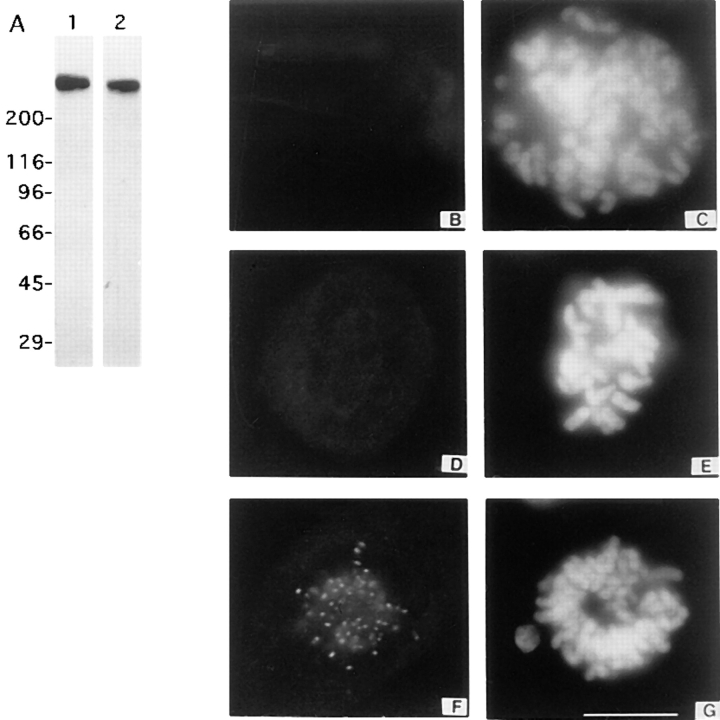
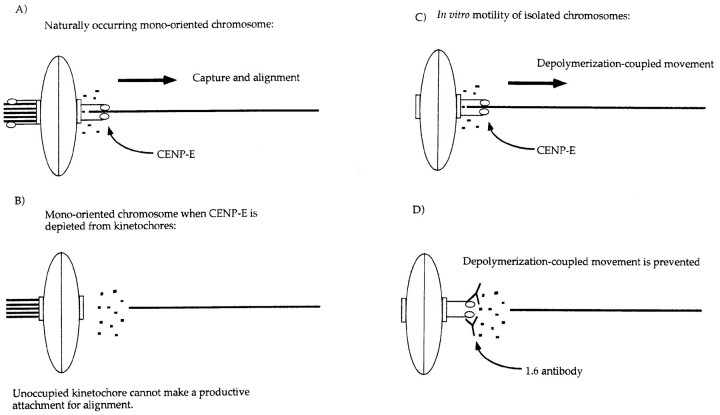
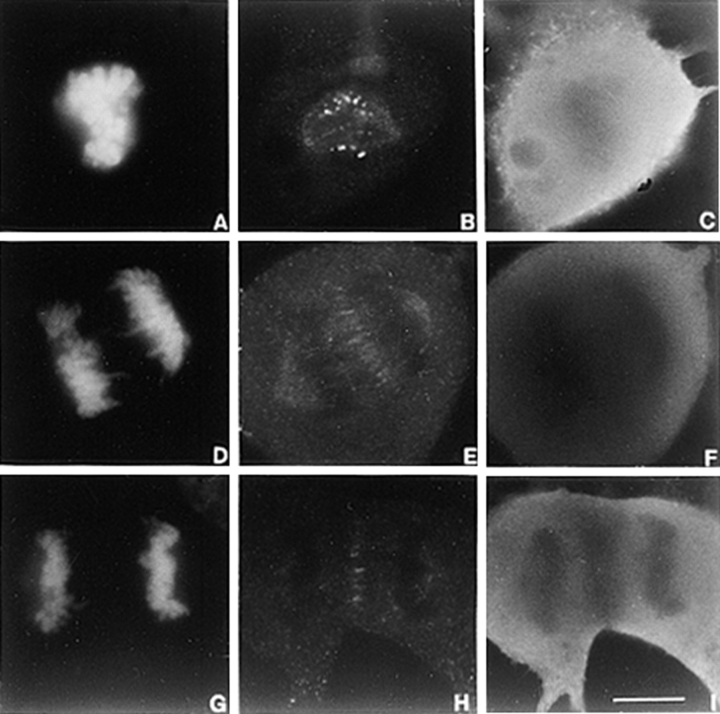
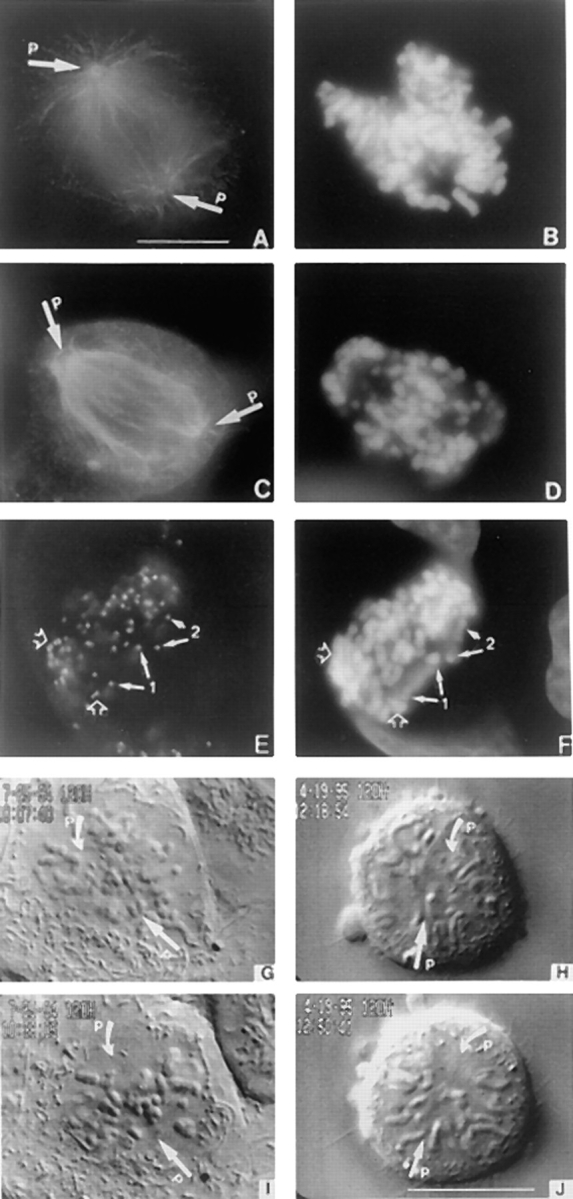
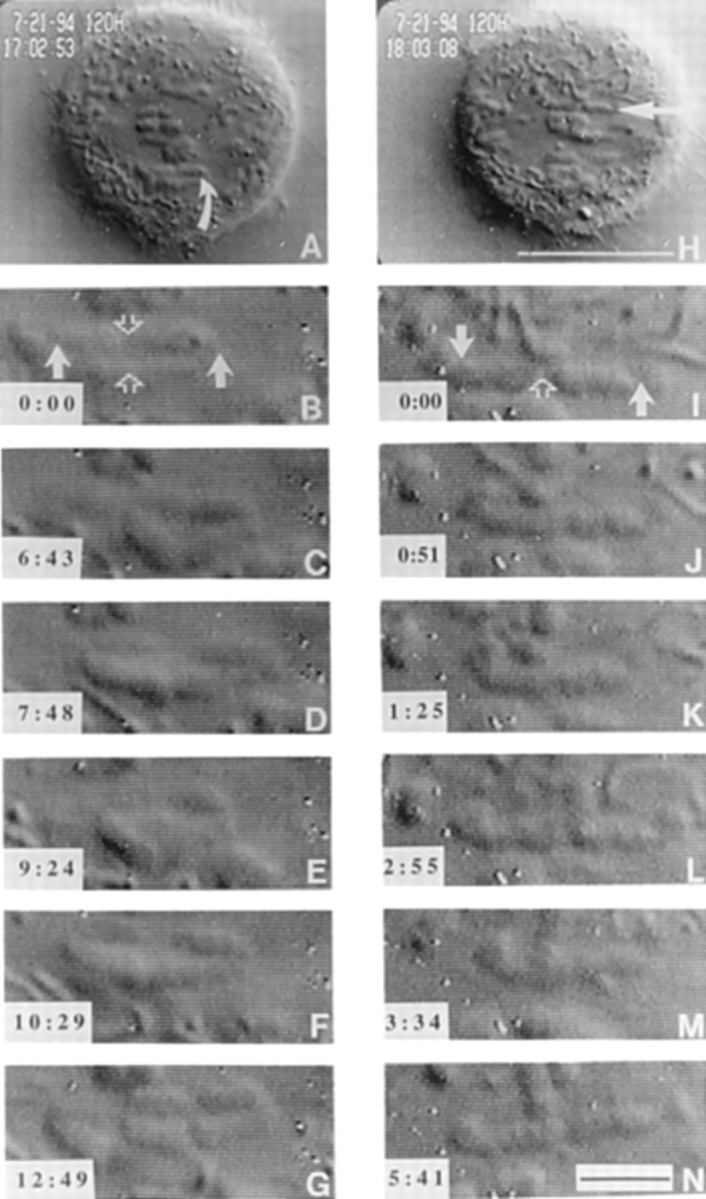
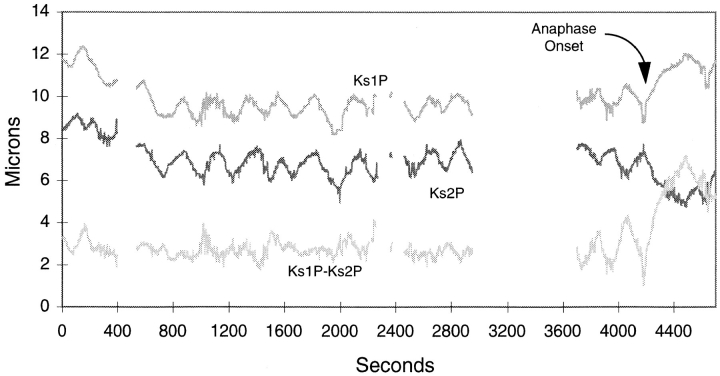
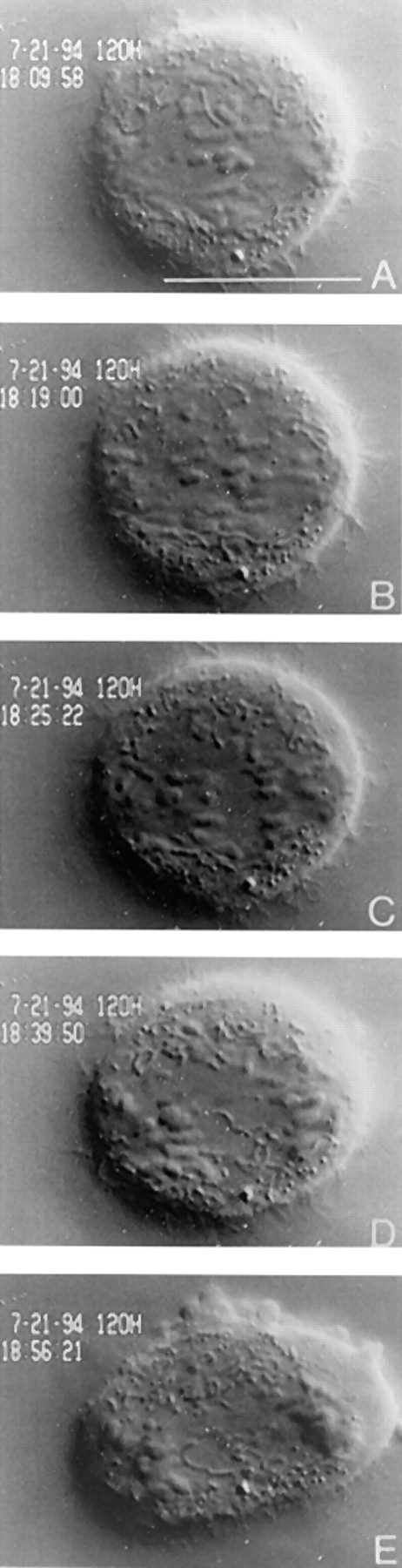
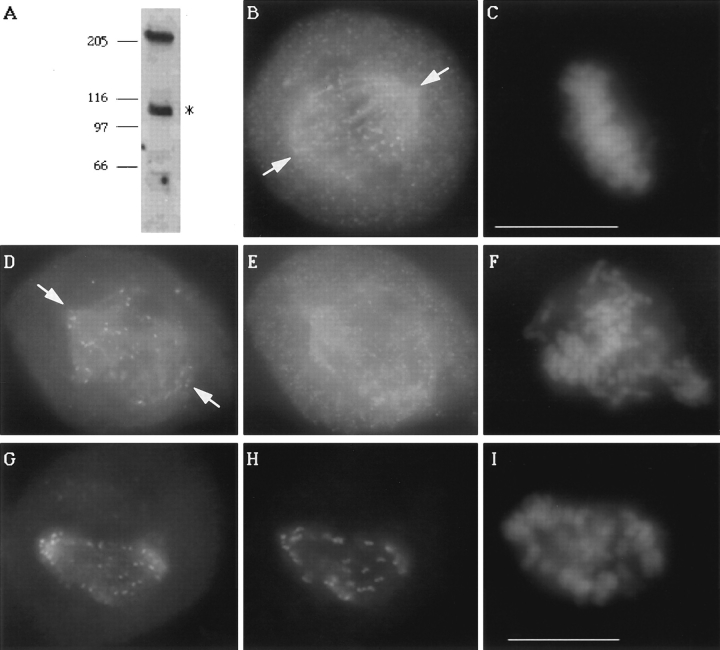
CENP-E is a kinesin-like protein that binds to kinetochores and may provide functions that are critical for normal chromosome motility during mitosis. To directly test the in vivo function of CENP-E, we microinjected affinity-purified antibodies to block the assembly of CENP-E onto kinetochores and then examined the behavior of these chromosomes. Chromosomes lacking CENP-E at their kinetochores consistently exhibited two types of defects that blocked their alignment at the spindle equator. Chromosomes positioned near a pole remained mono-oriented as they were unable to establish bipolar microtubule connections with the opposite pole. Chromosomes within the spindle established bipolar connections that supported oscillations and normal velocities of kinetochore movement between the poles, but these bipolar connections were defective because they failed to align the chromosomes into a metaphase plate. Overexpression of a mutant that lacked the amino-terminal 803 amino acids of CENP-E was found to saturate limiting binding sites on kinetochores and competitively blocked endogenous CENP-E from assembling onto kinetochores. Chromosomes saturated with the truncated CENP-E mutant were never found to be aligned but accumulated at the poles or were strewn within the spindle as was the case when cells were microinjected with CENP-E antibodies. As the motor domain was contained within the portion of CENP-E that was deleted, the chromosomal defect is likely attributed to the loss of motor function. The combined data show that CENP-E provides kinetochore functions that are essential for monopolar chromosomes to establish bipolar connections and for chromosomes with connections to both spindle poles to align at the spindle equator. Both of these events rely on activities that are provided by CENP-E's motor domain.
着丝粒蛋白E(CENP-E)是一种类似驱动蛋白的蛋白质,它与动粒结合,并可能提供对有丝分裂期间正常染色体运动至关重要的功能。为了直接测试CENP-E在体内的功能,我们显微注射亲和纯化的抗体以阻断CENP-E在动粒上的组装,然后检查这些染色体的行为。动粒上缺乏CENP-E的染色体始终表现出两种缺陷,这些缺陷阻止它们在纺锤体赤道面上排列。位于两极附近的染色体保持单极定向,因为它们无法与相对的极建立双极微管连接。纺锤体内的染色体建立了双极连接,支持动粒在两极之间振荡和正常移动速度,但这些双极连接存在缺陷,因为它们未能将染色体排列成中期板。发现缺乏CENP-E氨基末端803个氨基酸的突变体的过表达会饱和动粒上的有限结合位点,并竞争性地阻止内源性CENP-E组装到动粒上。用截短的CENP-E突变体饱和的染色体从未被发现排列整齐,而是聚集在两极或散布在纺锤体内,就像用CENP-E抗体显微注射细胞时的情况一样。由于驱动结构域包含在被删除的CENP-E部分内,染色体缺陷可能归因于驱动功能的丧失。综合数据表明,CENP-E提供了动粒功能,这些功能对于单极染色体建立双极连接以及对于与纺锤体两极都有连接的染色体在纺锤体赤道面上排列是必不可少的。这两个事件都依赖于CENP-E驱动结构域提供的活性。