Zha X, Pierini L M, Leopold P L, Skiba P J, Tabas I, Maxfield F R
Department of Pathology, Columbia University College of Physicians and Surgeons, New York, NY 10021, USA.
J Cell Biol. 1998 Jan 12;140(1):39-47. doi: 10.1083/jcb.140.1.39.
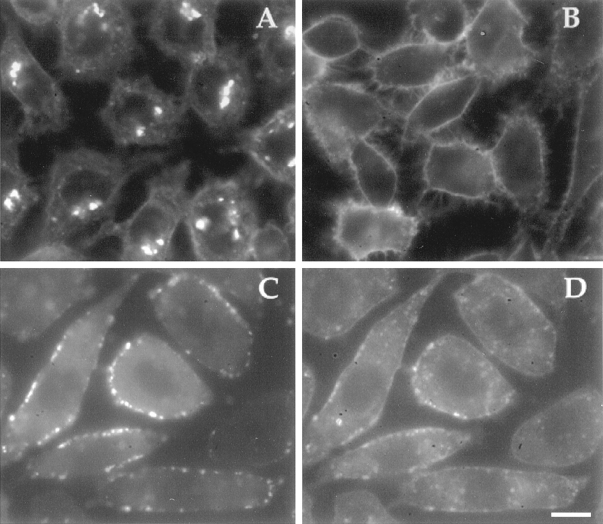
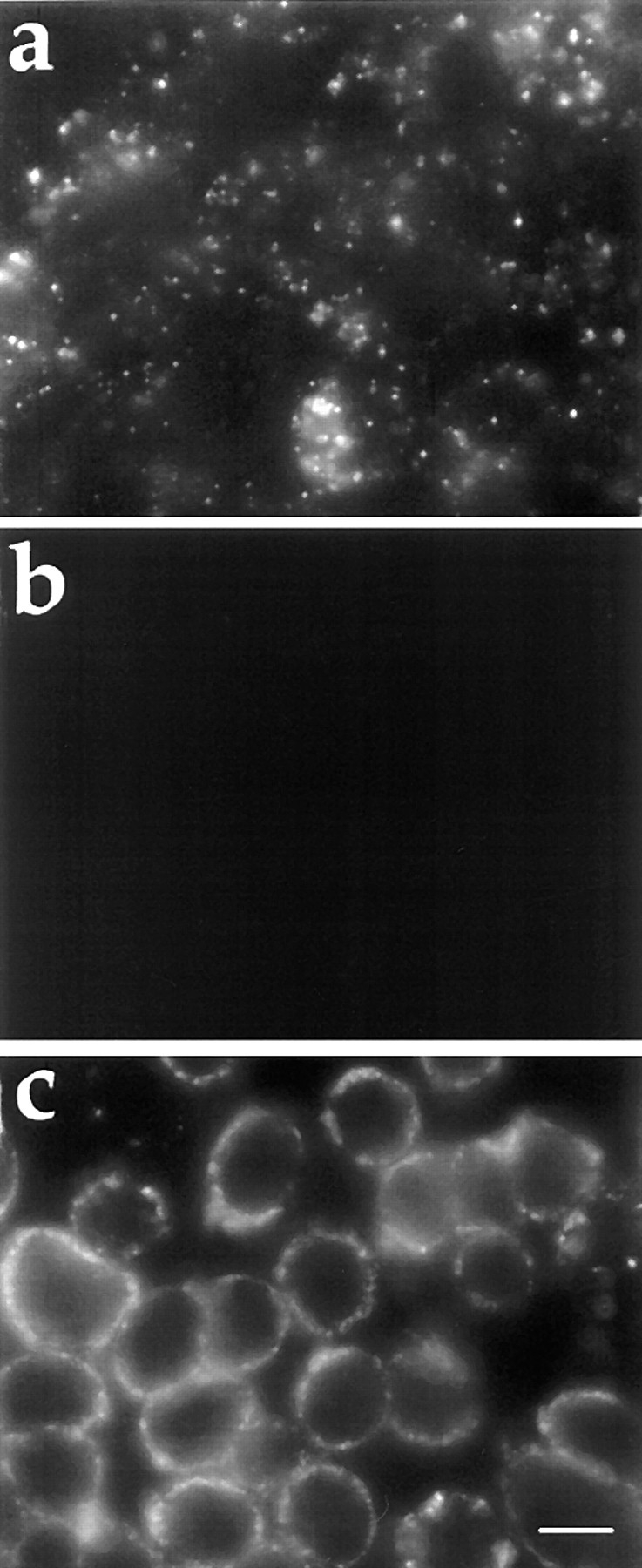
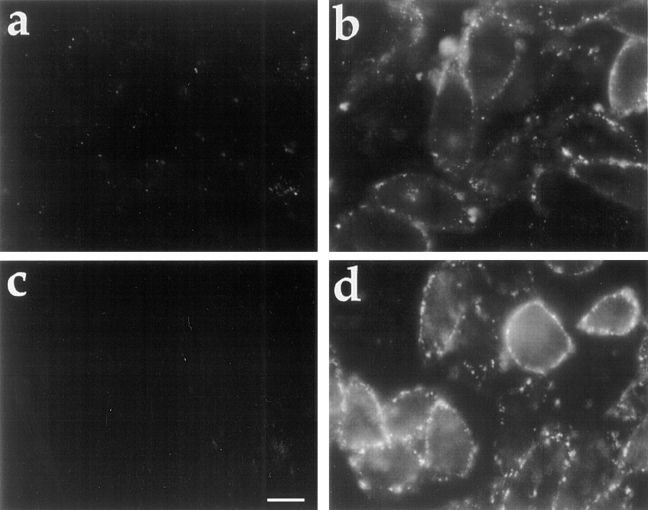
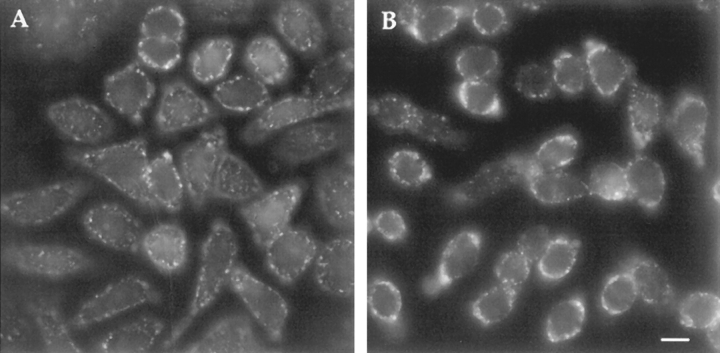
ATP hydrolysis has been regarded as a general requirement for internalization processes in mammalian cells. We found, however, that treatment of ATP-depleted macrophages and fibroblasts with exogenous sphingomyelinase (SMase) rapidly induces formation of numerous vesicles that pinch off from the plasma membrane; the process is complete within 10 min after adding SMase. By electron microscopy, the SMase-induced vesicles are approximately 400 nm in diameter and lack discernible coats. 15-30% of plasma membrane is internalized by SMase treatment, and there is no detectable enrichment of either clathrin or caveolin in these vesicles. When ATP is restored to the cells, the SMase-induced vesicles are able to deliver fluid-phase markers to late endosomes/lysosomes and return recycling receptors, such as transferrin receptors, back to the plasma membrane. We speculate that hydrolysis of sphingomyelin on the plasma membrane causes inward curvature and subsequent fusion to form sealed vesicles. Many cell types express a SMase that can be secreted or delivered to endosomes and lysosomes. The hydrolysis of sphingomyelin by these enzymes is activated by several signaling pathways, and this may lead to formation of vesicles by the process described here.
ATP水解一直被认为是哺乳动物细胞内化过程的普遍要求。然而,我们发现,用外源性鞘磷脂酶(SMase)处理ATP耗尽的巨噬细胞和成纤维细胞会迅速诱导大量从质膜上脱离的囊泡形成;该过程在添加SMase后10分钟内完成。通过电子显微镜观察,SMase诱导的囊泡直径约为400nm,且没有可识别的衣被。经SMase处理后,15 - 30%的质膜被内化,并且在这些囊泡中没有检测到网格蛋白或小窝蛋白的富集。当细胞恢复ATP时,SMase诱导的囊泡能够将液相标记物递送至晚期内体/溶酶体,并将循环受体(如转铁蛋白受体)运回质膜。我们推测,质膜上鞘磷脂的水解会导致向内弯曲并随后融合形成封闭的囊泡。许多细胞类型表达一种可分泌或递送至内体和溶酶体的SMase。这些酶对鞘磷脂的水解被几种信号通路激活,这可能通过此处描述的过程导致囊泡形成。