Arbiser J L, Kraeft S K, van Leeuwen R, Hurwitz S J, Selig M, Dickersin G R, Flint A, Byers H R, Chen L B
Department of Dermatology, Emory University School of Medicine, Atlanta, Georgia, USA.
Mol Med. 1998 Oct;4(10):665-70.
5-chloro-7-iodo-8-hydroxyquinoline (clioquinol) was used clinically three decades ago as an oral antiparasitic agent and to increase intestinal absorption of zinc in patients with acrodermatitis enteropathica, a genetic disorder of zinc absorption. Use of clioquinol was epidemiologically linked to subacute myelo-optic neuropathy (SMON), characterized by peripheral neuropathy and blindness, which affected 10,000 patients in Japan. Discontinuation of oral clioquinol use led to elimination of SMON, however, the mechanism of how clioquinol induces neurotoxicity is unclear.
We tested the effect of clioquinol-metal chelates on neural crest-derived melanoma cells. The effect of clioquinol chelates on cells was further studied by electron microscopy and by a mitochondrial potential-sensitive fluorescent dye.
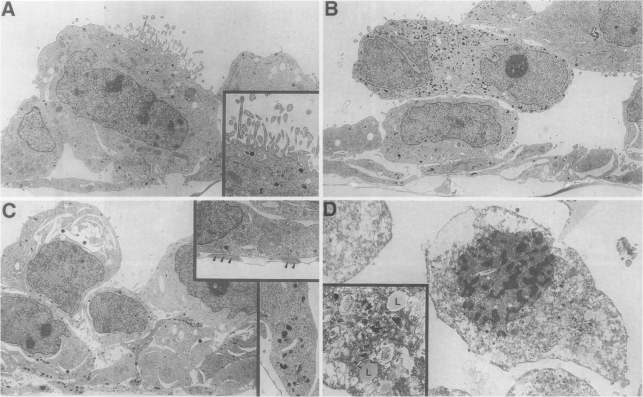
Of the ions tested, only clioquinol-zinc chelate demonstrated cytotoxicity. The cytotoxicity of clioquinol-zinc chelate was extremely rapid, suggesting that its primary effect was on the mitochondria. Electron microscopic analysis demonstrated that clioquinol-zinc chelate caused mitochondrial damage. This finding was further confirmed by the observation that clioquinol-zinc chelate caused a decrease in mitochondrial membrane potential.
We demonstrate that clioquinol, in the presence of zinc, is converted to a potent mitochondrial toxin. The phenomenon of clioquinol mediated toxicity appears to be specific to zinc and is not seen with other metals tested. Since clioquinol has been shown to cause increased systemic absorption of zinc in humans, it is likely that clioquinol-zinc chelate was present in appreciable levels in patients with SMON and may be the ultimate causative toxin of SMON.
30年前,5-氯-7-碘-8-羟基喹啉(氯碘喹啉)在临床上用作口服抗寄生虫药,并用于增加肠病性肢端皮炎(一种锌吸收的遗传性疾病)患者肠道对锌的吸收。氯碘喹啉的使用在流行病学上与亚急性脊髓视神经病变(SMON)有关,其特征为周围神经病变和失明,在日本有10000名患者受其影响。口服氯碘喹啉的停用导致SMON的消除,然而,氯碘喹啉诱导神经毒性的机制尚不清楚。
我们测试了氯碘喹啉-金属螯合物对神经嵴来源的黑色素瘤细胞的作用。通过电子显微镜和线粒体电位敏感荧光染料进一步研究了氯碘喹啉螯合物对细胞的影响。
在所测试的离子中,只有氯碘喹啉-锌螯合物表现出细胞毒性。氯碘喹啉-锌螯合物的细胞毒性极快,表明其主要作用于线粒体。电子显微镜分析表明,氯碘喹啉-锌螯合物导致线粒体损伤。氯碘喹啉-锌螯合物导致线粒体膜电位降低这一观察结果进一步证实了这一发现。
我们证明,在有锌存在的情况下,氯碘喹啉会转化为一种强效的线粒体毒素。氯碘喹啉介导的毒性现象似乎对锌具有特异性,在所测试的其他金属中未观察到。由于氯碘喹啉已被证明会导致人体锌的全身吸收增加,因此SMON患者体内可能存在相当水平的氯碘喹啉-锌螯合物,它可能是SMON的最终致病毒素。