Thomas G, Clain D J, Wicks A C
Gut. 1976 Nov;17(11):888-94. doi: 10.1136/gut.17.11.888.
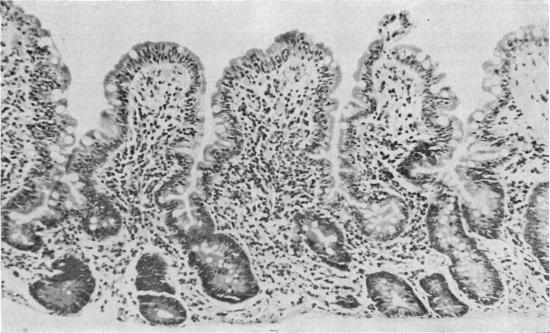
Tropical enteropathy, which may be related to tropical sprue, has been described in many developing countries including parts of Africa. The jejunal changes of enteropathy are seen in Rhodesians of all social and racial categories. Xylose excretion, however, is related to socioeconomic status, but not race. Upper socioeconomic Africans and Europeans excrete significantly more xylose than lower socioeconomic Africans. Vitamin B12 and fat absorption are normal, suggesting predominant involvement of the proximal small intestine. Tropical enteropathy in Rhodesia is similar to that seen in Nigeria but is associated with less malabsorption than is found in the Caribbean, the Indian subcontinent, and South East Asia. The possible aetiological factors are discussed. It is postulated that the lighter exposure of upper class Africans and Europeans to repeated gastrointestinal infections may accound for their superior xylose absorption compared with Africans of low socioeconomic circumstances. It is further suggested that the milder enteropathy seen in Africa may be explained by a lower prevalence of acute gastroenteritis than in experienced elsewhere in the tropics.
热带肠病可能与热带口炎性腹泻有关,在包括非洲部分地区在内的许多发展中国家都有相关描述。所有社会阶层和种族的罗德西亚人都出现了小肠空肠段的肠病变化。然而,木糖排泄量与社会经济地位有关,与种族无关。社会经济地位较高的非洲人和欧洲人排泄的木糖明显多于社会经济地位较低的非洲人。维生素B12和脂肪吸收正常,表明主要累及近端小肠。罗德西亚的热带肠病与尼日利亚所见相似,但与加勒比地区、印度次大陆和东南亚相比,吸收不良的情况较少。文中讨论了可能的病因。据推测,社会经济地位较高的非洲人和欧洲人较少反复接触胃肠道感染,这可能是他们木糖吸收优于社会经济地位较低的非洲人的原因。进一步表明,非洲出现的较轻的肠病可能是由于急性肠胃炎的患病率低于热带其他地区。