Neuman Manuela G
In Vitro Toxicology Laboratory in the Kunin-Lunenfeld Applied Research Unit, Baycrest Centre for Geriatric Care, Toronto, Canada.
Alcohol Res Health. 2003;27(4):307-16.
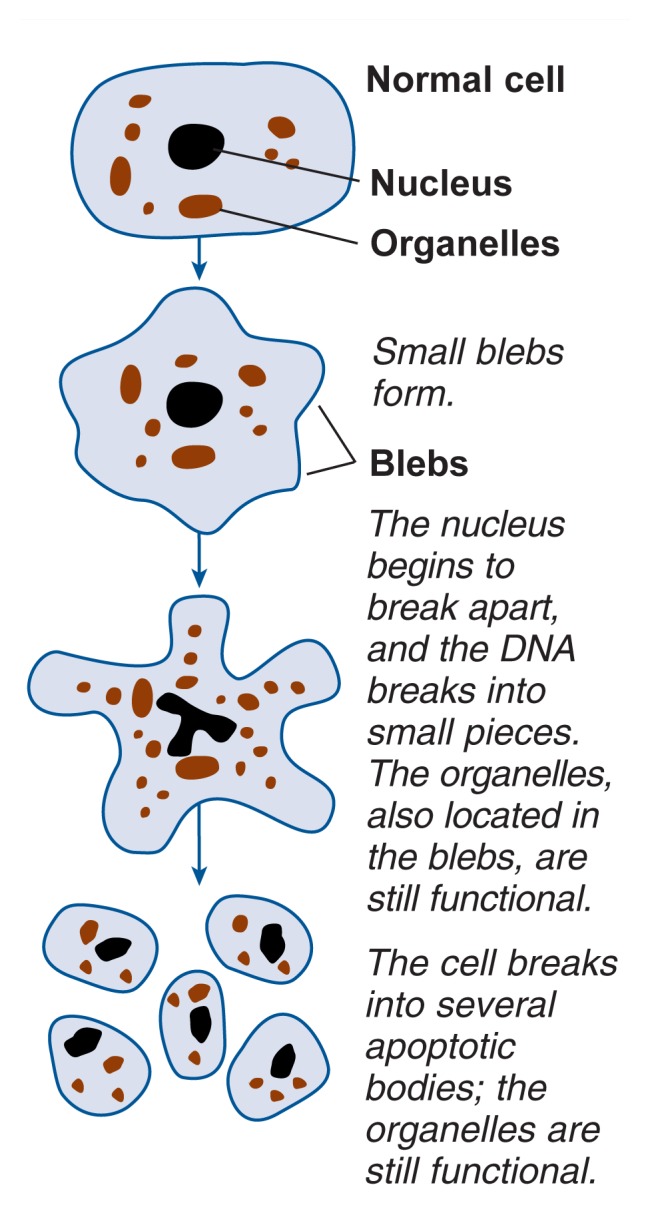
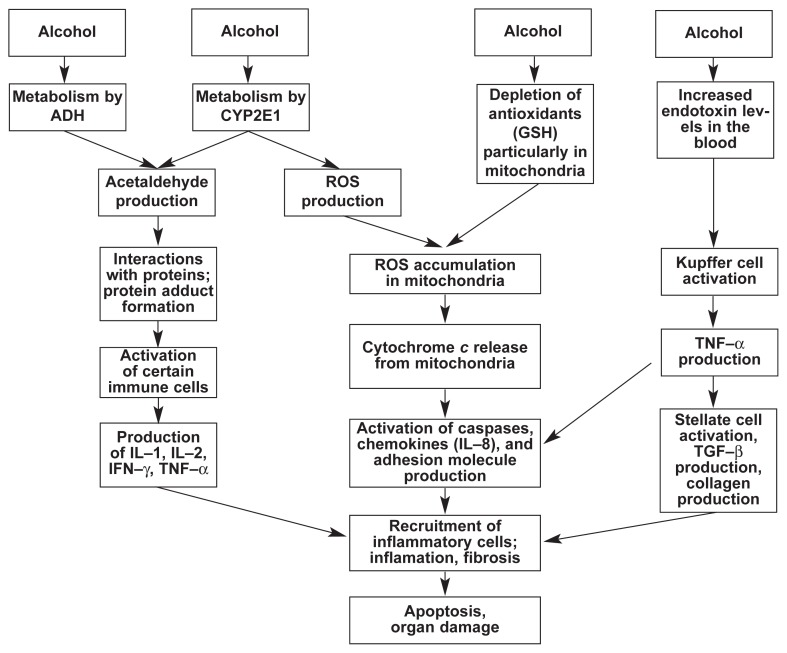
Many processes related to the consumption or breakdown of alcohol that contribute to alcohol-induced liver disease are mediated by small proteins known as cytokines, which are produced and secreted by liver cells and many other cells throughout the body. Through a variety of actions, cytokines regulate certain biochemical. processes in the cells that produce them as well as in neighboring cells. For example, in case of an infection, they attract white blood cells to the tissues, triggering an inflammatory response. In the liver, persistent cytokine secretion resulting in chronic inflammation leads to conditions such as hepatitis, fibrosis, and cirrhosis. Cytokines also regulate a process known as programmed cell death, or apoptosis, which is in part responsible for alcohol-induced destruction of liver tissue. Two cytokines-tumor necrosis factor alpha and transforming growth factor beta-play prominent roles in apoptosis. Finally, a cytokine network mediates the harmful effects of a bacterial protein called endotoxin on the liver. Because of their diverse functions, cytokines might make attractive targets in the prevention or treatment of alcoholic liver disease, and researchers already have obtained encouraging results when testing such approaches.
许多与酒精消耗或分解相关且导致酒精性肝病的过程是由一类称为细胞因子的小蛋白质介导的,这些细胞因子由肝细胞和全身许多其他细胞产生并分泌。通过多种作用,细胞因子调节产生它们的细胞以及邻近细胞中的某些生化过程。例如,在感染的情况下,它们将白细胞吸引到组织中,引发炎症反应。在肝脏中,持续的细胞因子分泌导致慢性炎症,进而引发肝炎、纤维化和肝硬化等病症。细胞因子还调节一种称为程序性细胞死亡或凋亡的过程,这在一定程度上导致了酒精引起的肝组织破坏。两种细胞因子——肿瘤坏死因子α和转化生长因子β——在凋亡中起重要作用。最后,一个细胞因子网络介导一种名为内毒素的细菌蛋白对肝脏的有害影响。由于其功能多样,细胞因子可能成为预防或治疗酒精性肝病的有吸引力的靶点,并且研究人员在测试此类方法时已经取得了令人鼓舞的结果。