Esfandiari Adeleh, Kelly A Paul
Department of Otolaryngology, Charles R. Drew University of Medicine and Science, USA.
J Natl Med Assoc. 2005 Aug;97(8):1165-9.
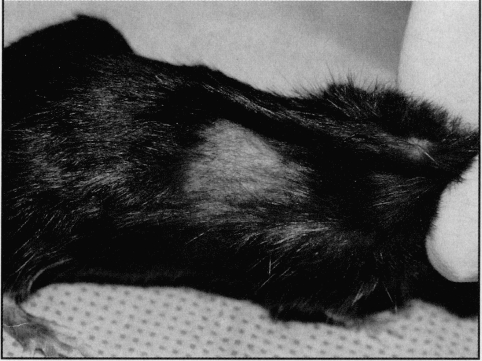
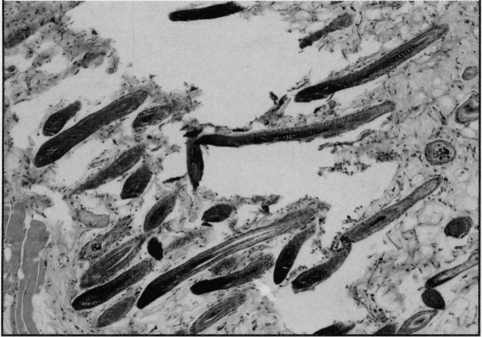
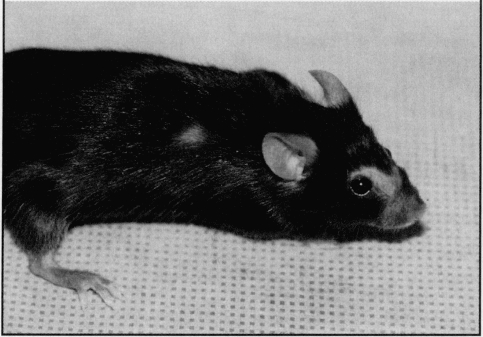
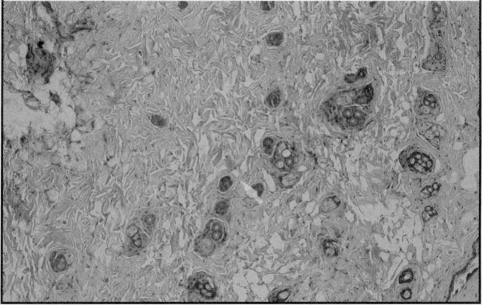
The objective of this study was to examine the effects of polyphenolic compounds, present in noncommercially available green tea, on hair loss among rodentts. In an experimental study, we randomly assigned 60female Balb/black mice, which had developed spontaneous hair loss on the head, neck and dorsal areas into two equal groups; A (experimental) and B (control). Group A received 50% fraction of polyphenol extract from dehydrated green tea in their drinking water for six months. Group B received regular drinking water. Both groups were fed regular rodent diets (Purina Rodent Chow 5001) and housed individually in polycarbonate cages. The results showed that 33% of the mice in experimental Group A, who received polyphenol extract in their drinking water, had significant hair regrowth during six months of treatment (p = 0.014). No hair growth was observed among mice in the control group, which received regular water.
本研究的目的是检验非市售绿茶中存在的多酚类化合物对啮齿动物脱发的影响。在一项实验研究中,我们将60只头部、颈部和背部出现自发性脱发的雌性Balb/黑色小鼠随机分为两组,每组数量相等;A组(实验组)和B组(对照组)。A组在其饮用水中加入50%脱水绿茶多酚提取物,持续六个月。B组饮用普通饮用水。两组均喂食常规啮齿动物饲料(普瑞纳啮齿动物饲料5001),并单独饲养在聚碳酸酯笼中。结果显示,在接受饮用水中多酚提取物的实验组A中,33%的小鼠在六个月的治疗期间有显著的毛发再生(p = 0.014)。在接受普通水的对照组小鼠中未观察到毛发生长。