Chu Chung-Ming, Cheng Vincent C C, Hung Ivan F N, Chan Kin-Sang, Tang Bone S F, Tsang Thomas H F, Chan Kwok-Hung, Yuen Kwok-Yung
United Christian Hospital, Hong Kong Special Administrative Region, People's Republic of China.
Emerg Infect Dis. 2005 Dec;11(12):1882-6. doi: 10.3201/eid1112.040949.
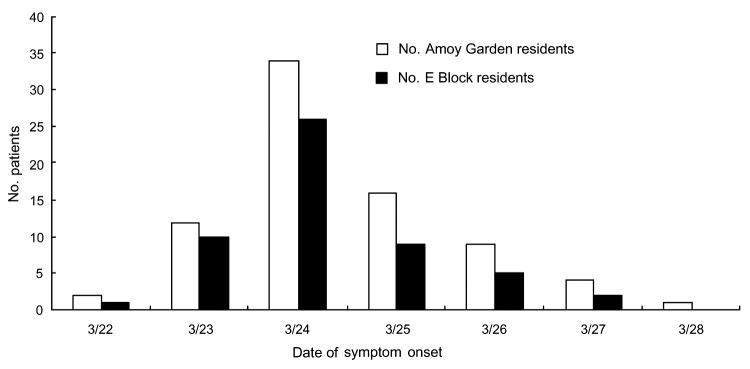
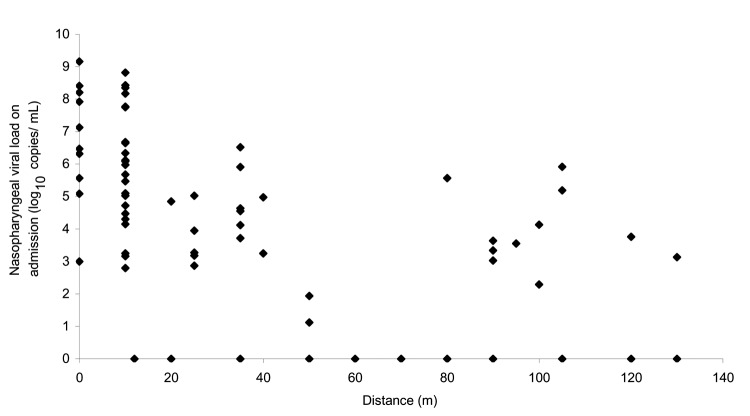
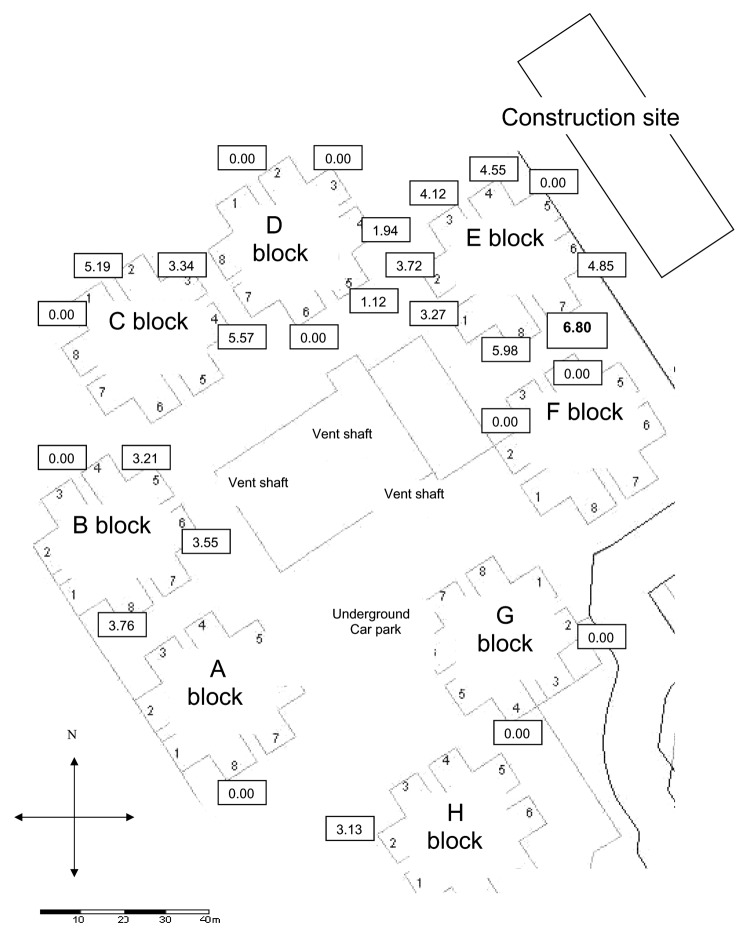
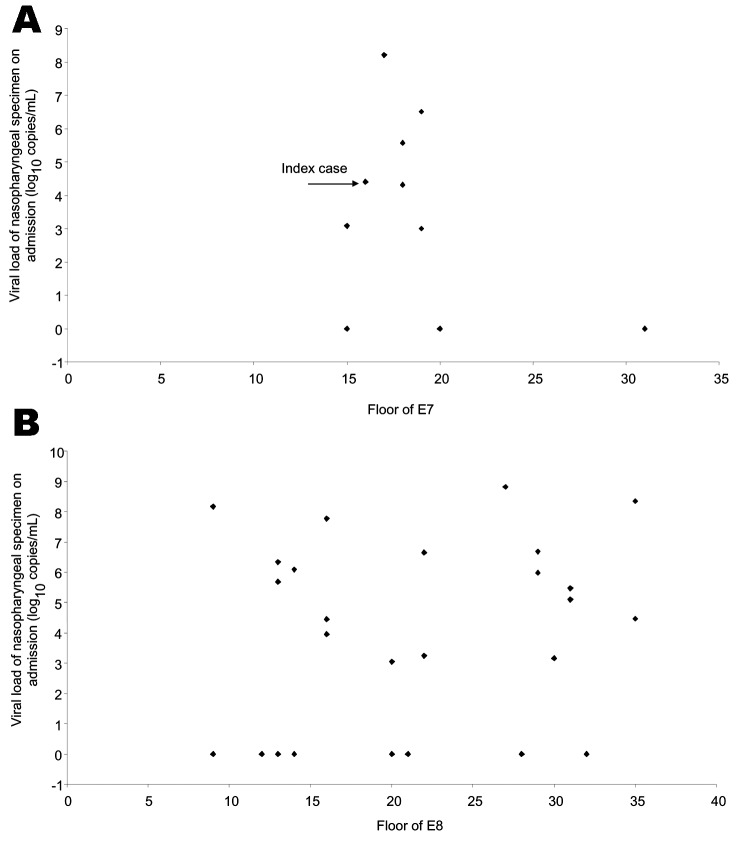
An unprecedented community outbreak of severe acute respiratory syndrome (SARS) occurred in the Amoy Gardens, a high-rise residential complex in Hong Kong. Droplet, air, contaminated fomites, and rodent pests have been proposed to be mechanisms for transmitting SARS in a short period. We studied nasopharyngeal viral load of SARS patients on admission and their geographic distribution. Higher nasopharyngeal viral load was found in patients living in adjacent units of the same block inhabited by the index patient, while a lower but detectable nasopharyngeal viral load was found in patients living further away from the index patient. This pattern of nasopharyngeal viral load suggested that airborne transmission played an important part in this outbreak in Hong Kong. Contaminated fomites and rodent pests may have also played a role.
香港一个高层住宅建筑群淘大花园发生了前所未有的严重急性呼吸综合征(SARS)社区爆发。飞沫、空气、受污染的污染物和啮齿动物被认为是在短时间内传播SARS的途径。我们研究了SARS患者入院时的鼻咽病毒载量及其地理分布。在居住于与首例患者同一座相邻单元的患者中发现了较高的鼻咽病毒载量,而在居住于离首例患者较远的患者中发现了较低但可检测到的鼻咽病毒载量。这种鼻咽病毒载量模式表明空气传播在香港的这次疫情爆发中起了重要作用。受污染的污染物和啮齿动物可能也起到了一定作用。