Davis S, Lees K, Donnan G
Department of Neurology, The Royal Melbourne Hospital and University of Melbourne,Victoria, Australia.
Int J Clin Pract. 2006 Apr;60(4):399-407. doi: 10.1111/j.1368-5031.2006.00873.x.
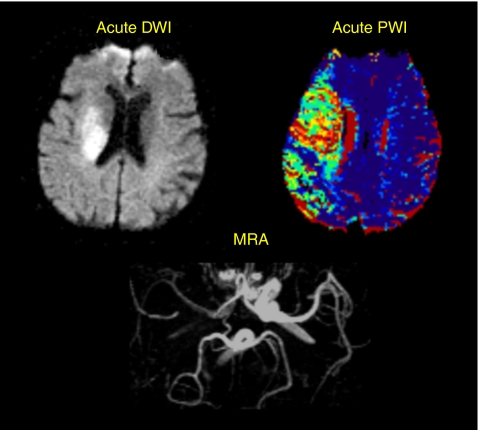
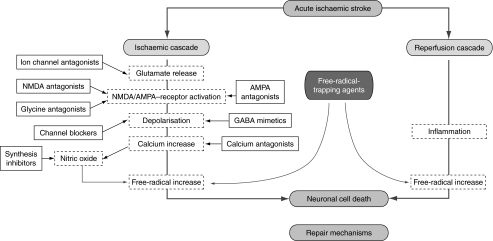
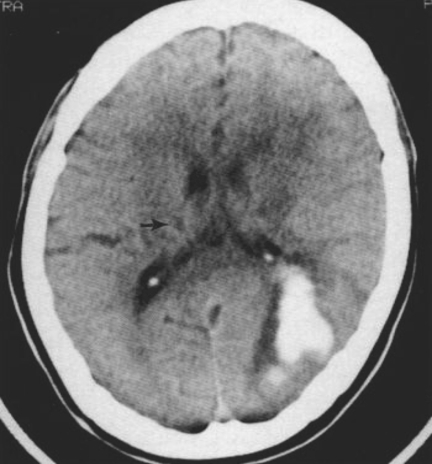
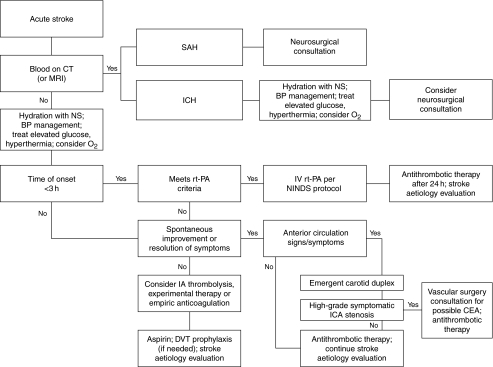
Developments in acute stroke therapy have followed advances in the understanding of the evolving pathophysiology in both ischaemic stroke and intracerebral haemorrhage (ICH). In ischaemic stroke, rapid reperfusion of the ischaemic penumbra with thrombolysis within 3 h of symptom onset is of proven benefit, but few patients currently receive therapy, mainly due to the short-time window and lack of stroke expertise. In ICH, a recent study indicated that a haemostatic agent can limit ongoing bleeding and improve outcomes when administered within 4 h of stroke onset. These advances in acute stroke therapy underlie the concept that 'time is brain' and that urgent intervention can limit cerebral damage. Neuroprotective therapy could offer the prospect of a greater proportion of stroke patients receiving treatment, potentially before imaging and even in the ambulance setting. Virtually all stroke patients would benefit from receiving multidisciplinary care in acute stroke units.
急性中风治疗的进展是随着对缺血性中风和脑出血(ICH)不断演变的病理生理学认识的进步而产生的。在缺血性中风中,症状发作后3小时内通过溶栓使缺血半暗带迅速再灌注已被证明是有益的,但目前很少有患者接受治疗,主要是由于时间窗短且缺乏中风专业知识。在脑出血方面,最近一项研究表明,一种止血剂在中风发作后4小时内给药可以限制持续出血并改善预后。急性中风治疗的这些进展奠定了“时间就是大脑”这一概念的基础,即紧急干预可以限制脑损伤。神经保护疗法有望让更大比例的中风患者接受治疗,甚至可能在进行影像学检查之前,甚至在救护车上就开始治疗。几乎所有中风患者都将受益于在急性中风单元接受多学科护理。