Guarrera Paolo Maria, Salerno Giovanni, Caneva Giulia
Museo Nazionale Arti e Tradizioni Popolari, Piazza Marconi 8/10 00144 Rome, Italy.
J Ethnobiol Ethnomed. 2006 Sep 7;2:37. doi: 10.1186/1746-4269-2-37.
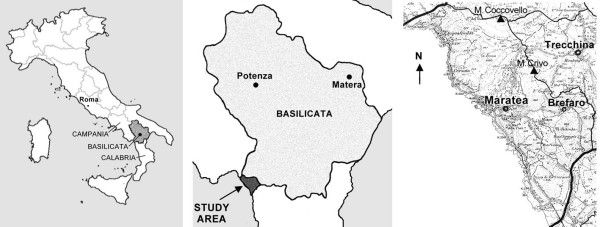
Research was carried out in the years 2002-2003 into food, flavouring and feed folk traditions of plants in the Tyrrhenian part of the Basilicata region (southern Italy). This area was colonized in ancient times by Greeks. Data was collected through field interviews, especially of farmers.
Field data were collected through structured interviews. The informants, numbered 49, belonged to families which had strong links with the traditional activities of the area.
61 taxa are cited, belonging to 26 botanical families, amongst which 44 used as food or flavouring and 22 for animal alimentation. Besides 7 taxa are involved in rituals especially connected with agriculture and plant growth.
The preservation of some rituals especially concerning agricultural plants is noteworthy in the area, together with a certain degree of continuity in food uses. Knowledge and rediscovery of recipes in human and animal diet could represent an economic potential for the area.
2002年至2003年期间,对巴西利卡塔地区(意大利南部)第勒尼安海沿岸部分的植物在食品、调味品和饲料方面的民间传统进行了研究。该地区在古代曾被希腊人殖民。数据通过实地访谈收集,尤其是对农民的访谈。
通过结构化访谈收集实地数据。49名被调查者来自与该地区传统活动有紧密联系的家庭。
共列举了61个分类单元,分属于26个植物科,其中44种用作食物或调味品,22种用于动物饲养。此外,7个分类单元涉及特别是与农业和植物生长相关的仪式。
该地区一些特别是与农作物相关的仪式的保留值得注意,同时在食物用途方面有一定程度的延续性。人类和动物饮食中食谱的知识和重新发现可能代表该地区的一种经济潜力。