Munro Salla, Lewin Simon, Swart Tanya, Volmink Jimmy
South African Cochrane Centre, Medical Research Council of South Africa, Tygerberg, Cape Town, South Africa.
BMC Public Health. 2007 Jun 11;7:104. doi: 10.1186/1471-2458-7-104.
Suboptimal treatment adherence remains a barrier to the control of many infectious diseases, including tuberculosis and HIV/AIDS, which contribute significantly to the global disease burden. However, few of the many interventions developed to address this issue explicitly draw on theories of health behaviour. Such theories could contribute to the design of more effective interventions to promote treatment adherence and to improving assessments of the transferability of these interventions across different health issues and settings.
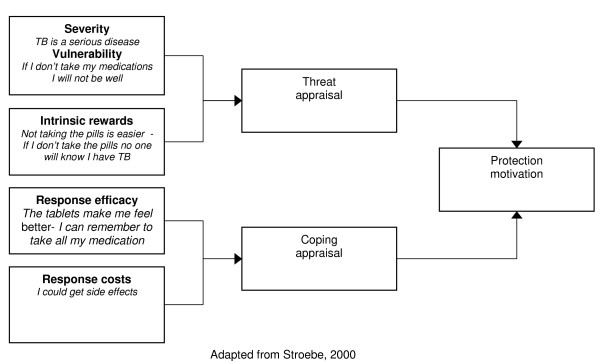
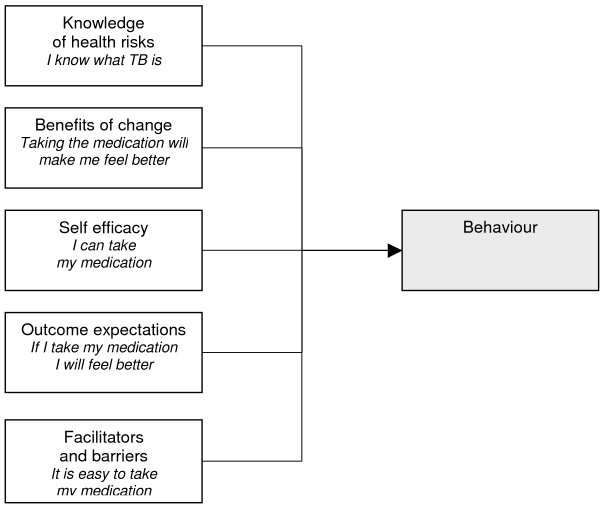
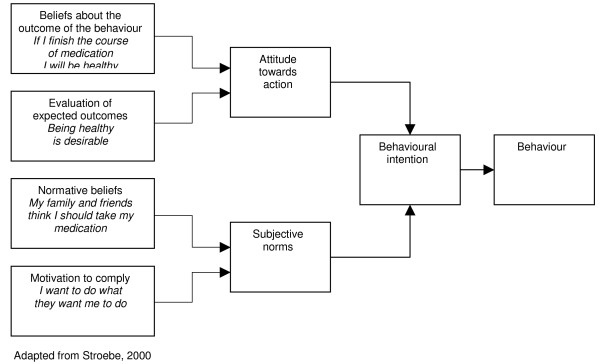
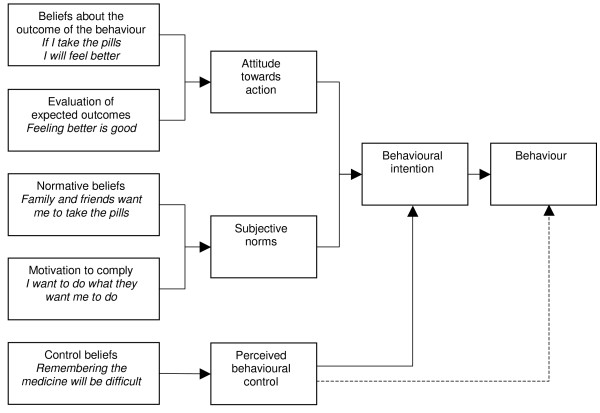
This paper reviews behaviour change theories applicable to long-term treatment adherence; assesses the evidence for their effectiveness in predicting behaviour change; and examines the implications of these findings for developing strategies to improve TB and HIV/AIDS medication adherence. We searched a number of electronic databases for theories of behaviour change. Eleven theories were examined.
Little empirical evidence was located on the effectiveness of these theories in promoting adherence. However, several models have the potential to both improve understanding of adherence behaviours and contribute to the design of more effective interventions to promote adherence to TB and HIV/AIDS medication.
Further research and analysis is needed urgently to determine which models might best improve adherence to long-term treatment regimens.
治疗依从性欠佳仍是控制包括结核病和艾滋病毒/艾滋病在内的许多传染病的障碍,这些疾病对全球疾病负担有重大影响。然而,为解决这一问题而开展的众多干预措施中,很少有明确借鉴健康行为理论的。此类理论有助于设计更有效的干预措施以促进治疗依从性,并改进对这些干预措施在不同健康问题和环境中的可转移性的评估。
本文回顾适用于长期治疗依从性的行为改变理论;评估其在预测行为改变方面有效性的证据;并探讨这些研究结果对制定提高结核病和艾滋病毒/艾滋病药物依从性策略的意义。我们在多个电子数据库中搜索行为改变理论。共审查了11种理论。
关于这些理论在促进依从性方面有效性的实证证据很少。然而,有几种模型有潜力既能增进对依从行为的理解,又有助于设计更有效的干预措施以促进对结核病和艾滋病毒/艾滋病药物的依从性。
迫切需要进一步的研究和分析,以确定哪些模型可能最有助于提高对长期治疗方案的依从性。