Leyssen Pieter, De Clercq Erik, Neyts Johan
Rega Institute for Medical Research, Catholic University Leuven, Minderbroedersstraat 10, B-3000 Leuven, Belgium.
Antiviral Res. 2008 Apr;78(1):9-25. doi: 10.1016/j.antiviral.2008.01.004. Epub 2008 Feb 4.
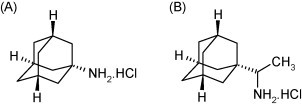
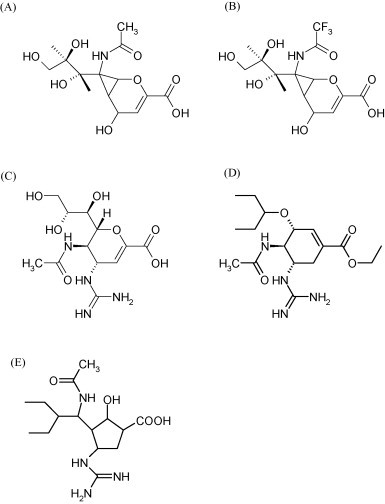
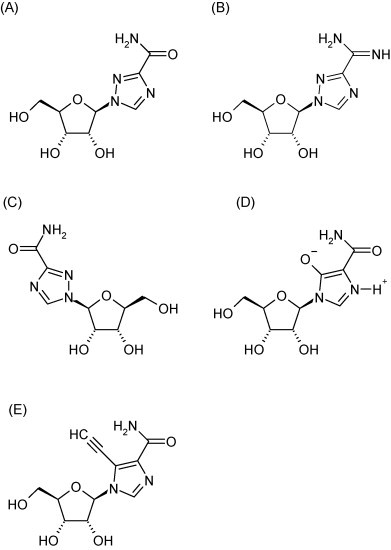
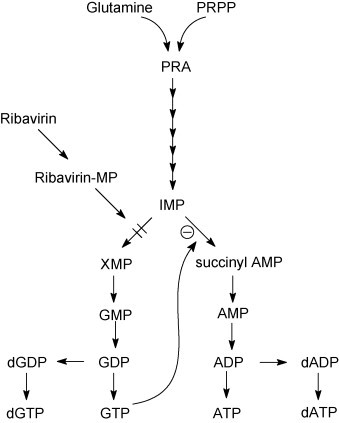
There are virtually no antiviral drugs available for the treatment of infections with RNA viruses. This is particularly worrisome since most of the highly pathogenic and emerging viruses are, and will likely continue to be, RNA viruses. These viruses can cause acute, severe illness, including severe respiratory disease, hemorrhagic fever and encephalitis, with a high case fatality rate. It is important to have potent and safe drugs at hand that can be used for the treatment or prophylaxis of such infections. Drugs approved for the treatment of RNA virus infections (other than HIV) are the influenza M2 channel inhibitors, amantadine and rimantadine; the influenza neuraminidase inhibitors, oseltamivir and zanamivir, and ribavirin for the treatment of infections with respiratory syncytial virus and hepatitis C virus. The molecular mechanism(s) by which ribavirin inhibits viral replication, such as depletion of intracellular GTP pools and induction of error catastrophe, may not readily allow the design of analogues that are more potent/selective than the parent drug. Highly pathogenic RNA viruses belong to a variety of virus families, each having a particular replication strategy, thus offering a wealth of potential targets to selectively inhibit viral replication. We here provide a non-exhaustive review of potential experimental strategies, using small molecules, to inhibit the replication of several RNA viruses. Other approaches, such as the use of interferon or other host-response modifiers, immune serum or neutralizing antibodies, are not addressed in this review.
目前几乎没有可用于治疗RNA病毒感染的抗病毒药物。这一点尤其令人担忧,因为大多数高致病性和新出现的病毒都是RNA病毒,而且很可能会继续如此。这些病毒可导致急性、严重疾病,包括严重呼吸道疾病、出血热和脑炎,病死率很高。手头有强效且安全的药物可用于治疗或预防此类感染非常重要。已批准用于治疗RNA病毒感染(除HIV外)的药物有流感M2通道抑制剂金刚烷胺和金刚乙胺;流感神经氨酸酶抑制剂奥司他韦和扎那米韦,以及用于治疗呼吸道合胞病毒和丙型肝炎病毒感染的利巴韦林。利巴韦林抑制病毒复制的分子机制,如细胞内GTP池的耗竭和错误灾难的诱导,可能不容易设计出比母体药物更有效/更具选择性的类似物。高致病性RNA病毒属于多种病毒科,每种病毒都有特定的复制策略,因此提供了大量可选择性抑制病毒复制的潜在靶点。我们在此对使用小分子抑制几种RNA病毒复制的潜在实验策略进行非详尽综述。本综述未涉及其他方法,如使用干扰素或其他宿主反应调节剂、免疫血清或中和抗体。