Department of Acupuncture and Moxibustion, Morinomiya College of Medical Arts and Sciences, Osaka, Japan.
Evid Based Complement Alternat Med. 2010 Sep;7(3):359-65. doi: 10.1093/ecam/nem155. Epub 2008 Feb 4.
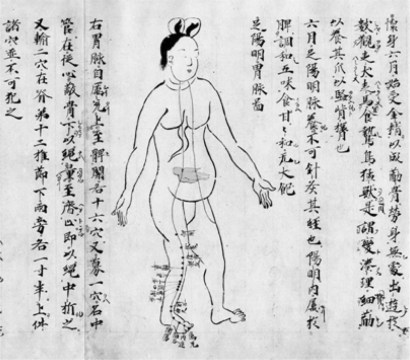
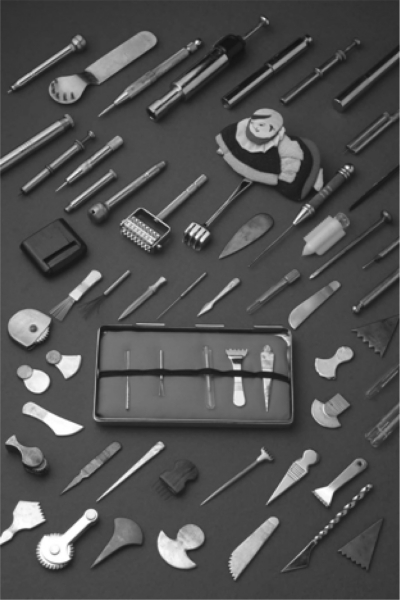
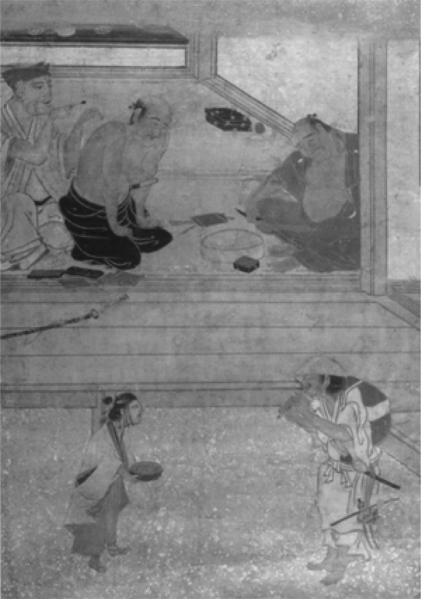
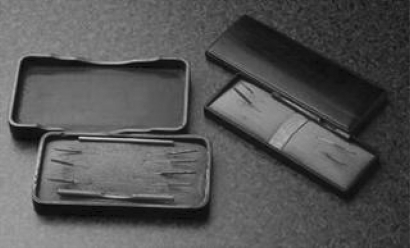
After Chiso brought acupuncture to Japan from Wu (China) in the sixth century, it has progressed in unique ways within the various historical milieus of the past 1500 years. Ishitsu-rei, the first medical law of Japan established in 701, explains the medical system of acupuncture in detail showing that acupuncture was being administered under the authorization of the national government. For the next 1200 years, acupuncture continued to be an important facet of public health in Japan. From the Azuchimomoyama through the Edo period, the knowledge exchange with China became active and people who studied in China developed new styles and techniques of acupuncture treatment and organized their own private schools or ryu-ha in Japan. In 1635, when the Edo government decided to close the country, Japan cut-off exchange with foreign countries for over 200 years. The national isolation caused some development that was unique to Japan. During that time, acupuncture filtered into people's everyday lives. Moxibustion, in particular, became popular as a treatment that ordinary people could practice by themselves. Also in this period of isolation, Western medicine was imported from Holland, the only country allowed to maintain trade with Japan. This novel modern medicine had a strong impact on Japanese medicine, which has its foundation of Chinese traditional medicine. At the same time, Japanese acupuncture was introduced into Europe via Holland. When Japan opened its borders in 1865 period, the new government was eager to accept Western culture to the extent of prohibiting the progress of Japanese acupuncture for a period of time. Even so, Japanese acupuncture has survived and flourished up to the present day due to the strong demand and the great efforts of the practitioners. Scientific studies are now in the process of establishing a firm evidence base for over a millennium of clinical use, respecting the classic ideas of the traditional treatment.
自公元 6 世纪慈觉将针灸从中国传入日本后,在过去 1500 年的各种历史环境中,针灸在日本以独特的方式发展。701 年制定的第一部日本医学法规《医道令》详细解释了针灸的医学体系,表明针灸是在国家政府授权下进行的。在接下来的 1200 年里,针灸继续成为日本公共卫生的重要组成部分。从安土桃山时代到江户时代,与中国的知识交流变得活跃起来,在中国学习的人发展了新的针灸治疗风格和技术,并在日本组织了自己的私塾或流派。1635 年,江户政府决定闭关锁国时,日本与外国的交流中断了 200 多年。这种国家孤立导致了一些日本特有的发展。在此期间,针灸逐渐融入人们的日常生活。尤其是艾灸,作为一种普通人可以自己进行的治疗方法,变得非常流行。同样在这个隔离时期,西方医学从唯一允许与日本保持贸易的荷兰传入。这种新颖的现代医学对以中国传统医学为基础的日本医学产生了强烈的影响。与此同时,日本针灸通过荷兰传入欧洲。1865 年日本开放边界时,新政府急于接受西方文化,以至于在一段时间内禁止日本针灸的发展。即便如此,由于从业者的强烈需求和巨大努力,日本针灸至今仍得以幸存和发展。现在,科学研究正在为一千多年的临床应用建立一个坚实的证据基础,同时尊重传统治疗的经典理念。