Wan Yayun, Ebbini Emad S
Dept. of Electr. & Comput. Eng., Minnesota Univ., Minneapolis, MN, USA.
IEEE Trans Ultrason Ferroelectr Freq Control. 2008 Aug;55(8):1705-18. doi: 10.1109/TUFFC.2008.856.
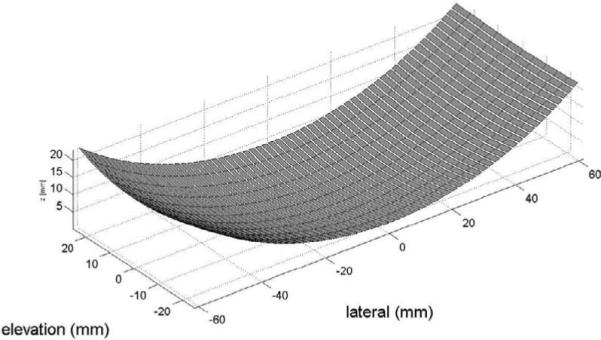
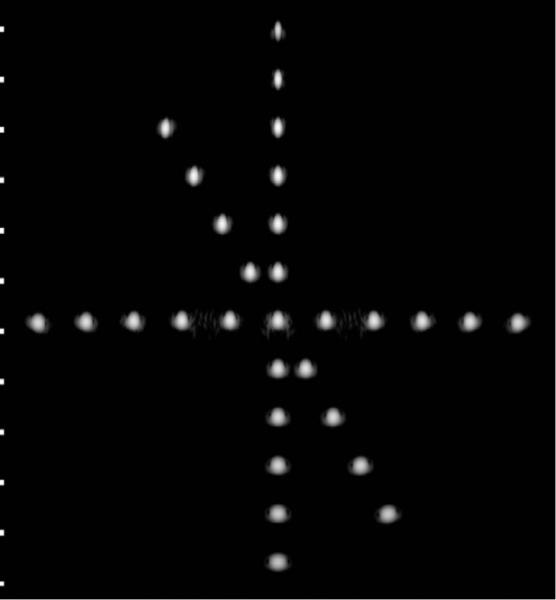
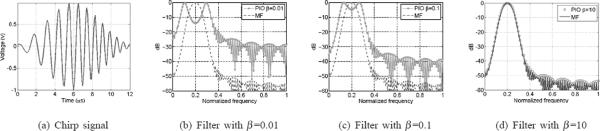
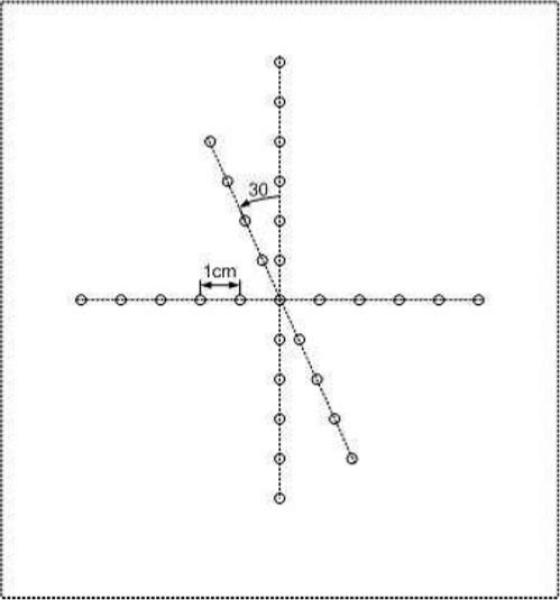
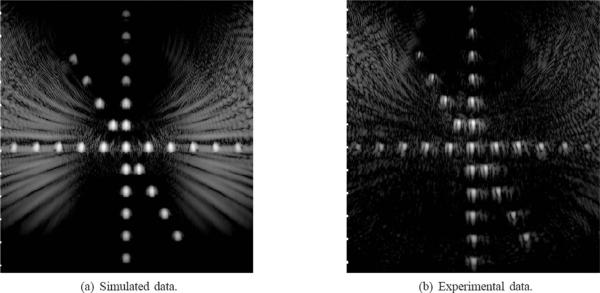
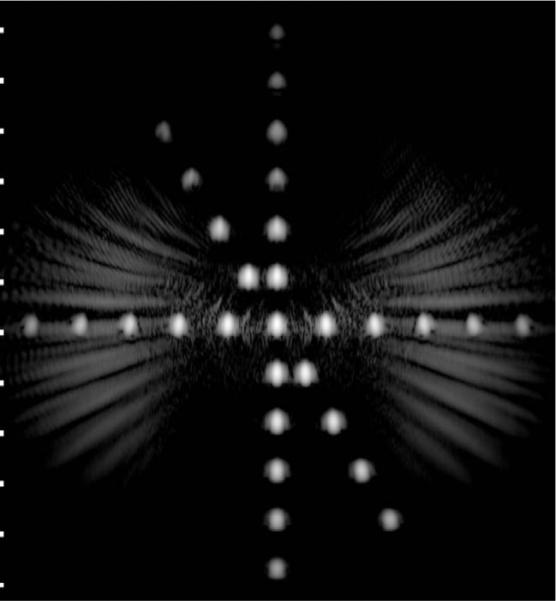
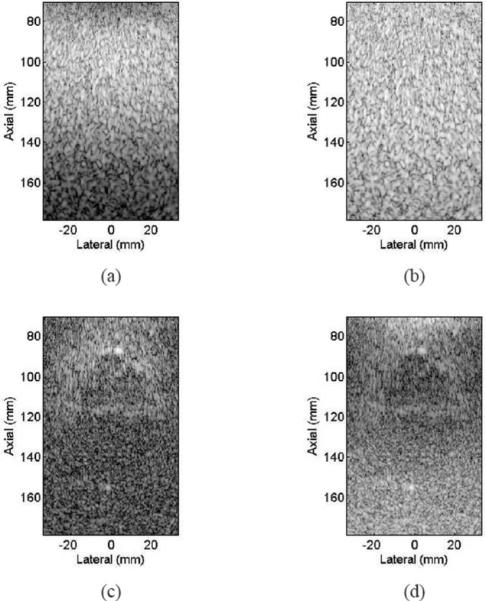
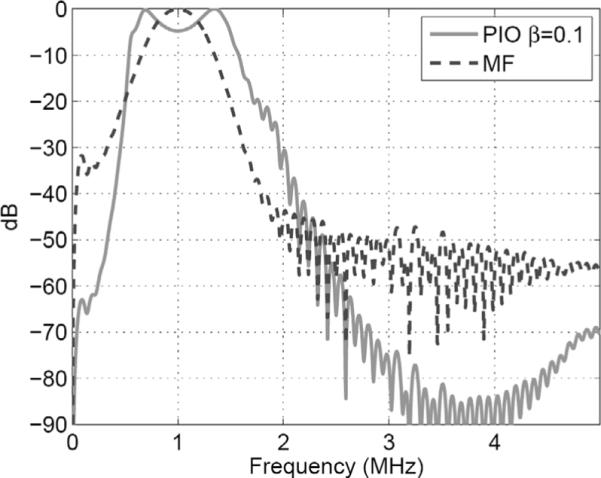
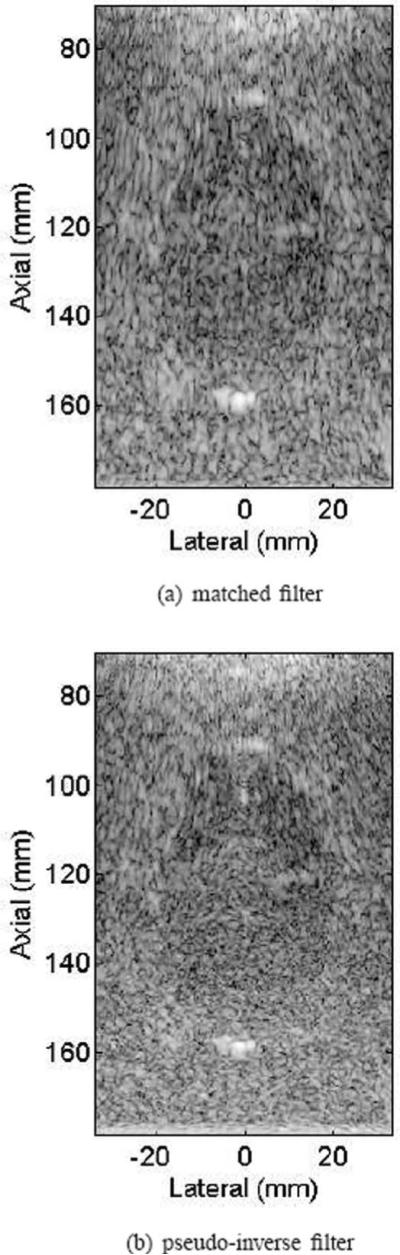
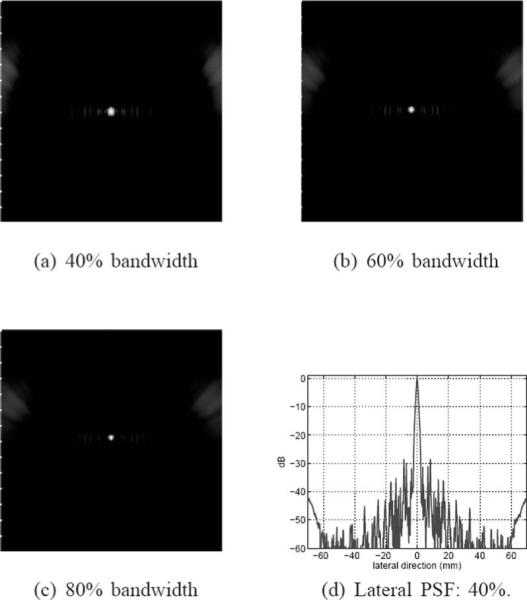
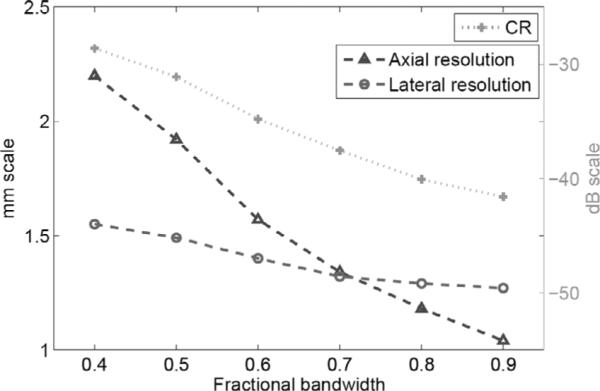
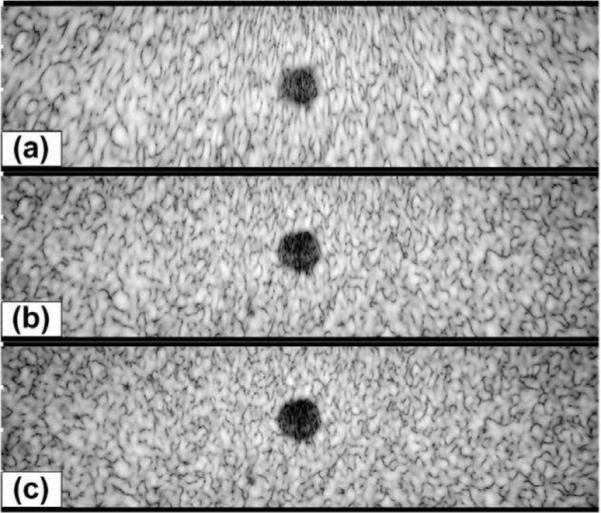
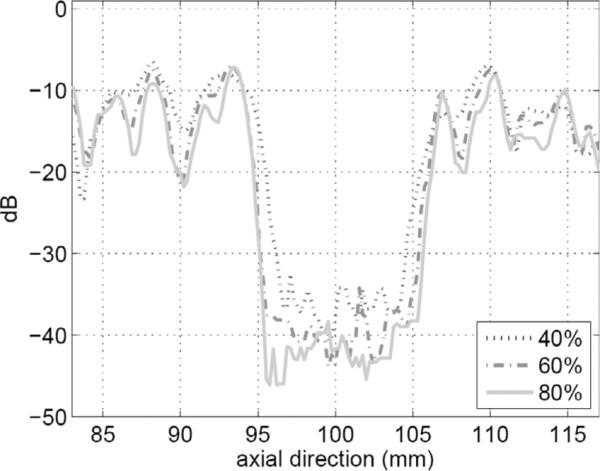
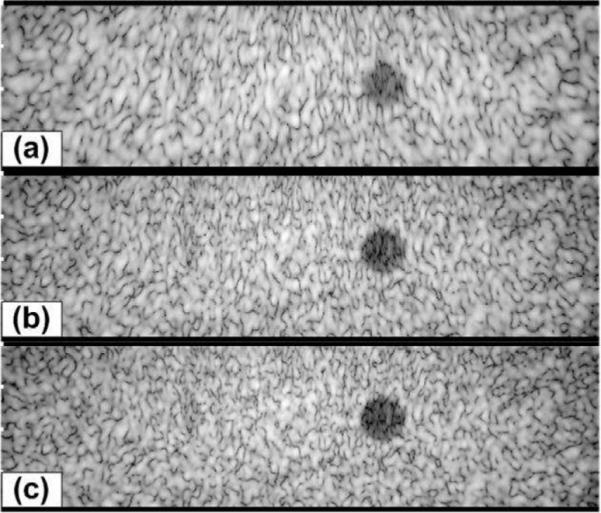
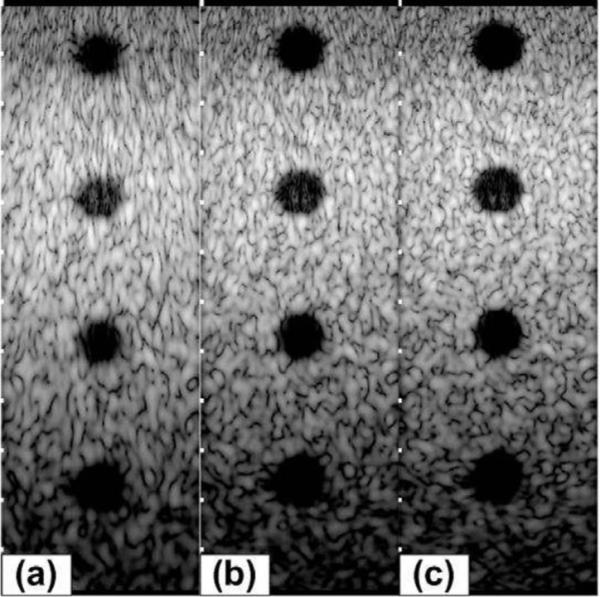
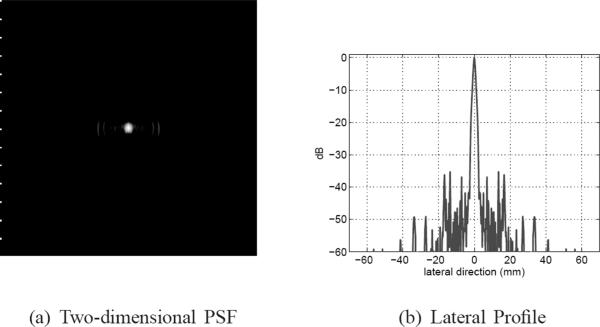
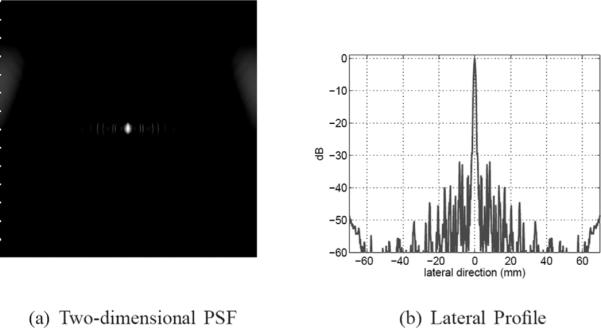
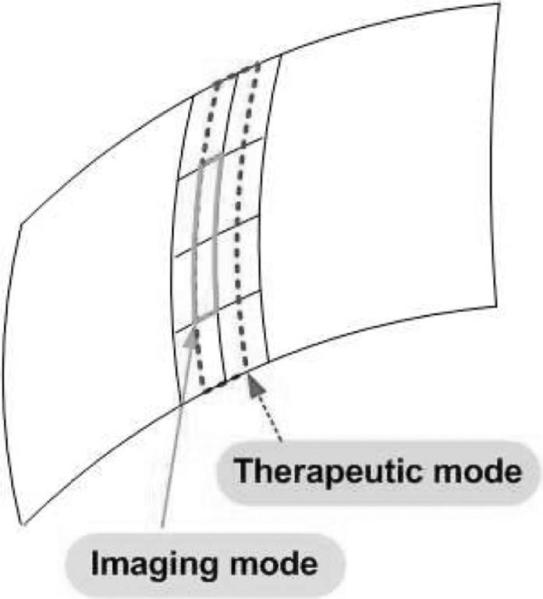
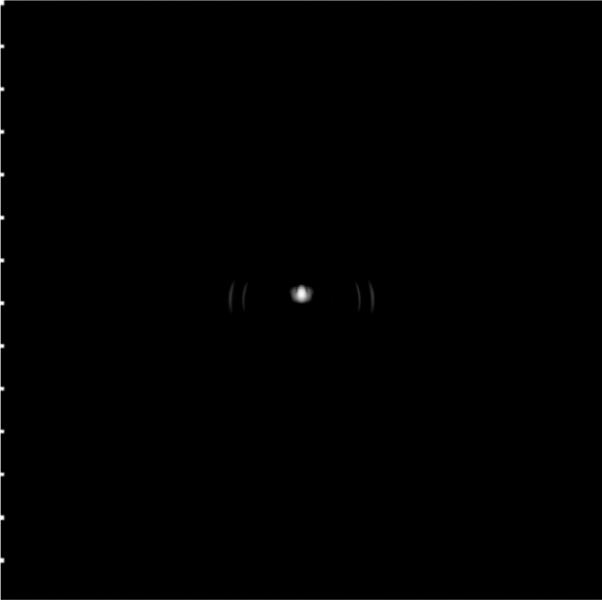
Several dual-mode ultrasound array (DMUA) systems are being investigated for potential use in image- guided surgery. In therapeutic mode, DMUAs generate pulsed or continuous-wave (CW) high-intensity focused ultrasound (HIFU) beams capable of generating localized therapeutic effects within the focal volume. In imaging mode, pulse-echo data can be collected from the DMUA elements to obtain B-mode images or other forms of feedback on the state of the target tissue before, during, and after the application of the therapeutic HIFU beam. Therapeutic and technological constraints give rise to special characteristics of therapeutic arrays. Specifically, DMUAs have concave apertures with low f-number values and are typically coarsely sampled using directive elements. These characteristics necessitate pre- and post-beamforming signal processing of echo data to improve the spatial and contrast resolution and maximize the image uniformity within the imaging field of view (IxFOV). We have recently developed and experimentally validated beamforming algorithms for concave large-aperture DMUAs with directive elements. Experimental validation was performed using a 1 MHz, 64-element, concave spherical aperture with 100 mm radius of curvature. The aperture was sampled in the lateral direction using elongated elements 1-lambda x 33.3-lambda with 1.333-lambda center-to-center spacing (lambda is the wavelength). This resulted in f-number values of 0.8 and 2 in the azimuth and elevation directions, respectively. In this paper, we present a new DMUA design approach based on different sampling of the shared concave aperture to improve image quality while maintaining therapeutic performance. A pulse-wave (PW) simulation model using a modified version of the Field II program is used in this study. The model is used in generating pulse-echo data for synthetic-aperture (SA) beamforming for forming images of a variety of targets, e.g., wire arrays and speckle-generating cyst phantoms. To provide validation for the simulation model and illustrate the improvements in image quality, we show SA images of similar targets using pulse-echo data acquired experimentally using our existing 64-element prototype. The PW simulation model is used to investigate the effect of transducer bandwidth as well as finer sampling of the concave DMUA aperture on the image quality. The results show that modest increases in the sampling density and transducer bandwidth result in significant improvement in spatial and contrast resolutions in addition to extending the DMUA IxFOV.
目前正在研究几种双模式超声阵列(DMUA)系统在图像引导手术中的潜在应用。在治疗模式下,DMUA会产生脉冲或连续波(CW)高强度聚焦超声(HIFU)束,能够在焦点区域内产生局部治疗效果。在成像模式下,可以从DMUA元件收集脉冲回波数据,以在施加治疗性HIFU束之前、期间和之后获得B模式图像或关于目标组织状态的其他形式的反馈。治疗和技术限制导致了治疗阵列的特殊特性。具体而言,DMUA具有低f数的凹面孔径,并且通常使用定向元件进行粗采样。这些特性需要对回波数据进行波束形成前后的信号处理,以提高空间分辨率和对比度分辨率,并在成像视场(IxFOV)内最大化图像均匀性。我们最近开发并通过实验验证了用于具有定向元件的凹面大孔径DMUA的波束形成算法。使用曲率半径为100 mm的1 MHz、64元件凹面球形孔径进行了实验验证。孔径在横向方向上使用长度为1-λ x 33.3-λ、中心间距为1.333-λ的细长元件进行采样(λ为波长)。这分别在方位角和仰角方向上产生了0.8和2的f数值。在本文中,我们提出了一种基于对共享凹面孔径进行不同采样的新DMUA设计方法,以在保持治疗性能的同时提高图像质量。本研究使用了基于Field II程序修改版本的脉冲波(PW)模拟模型。该模型用于生成用于合成孔径(SA)波束形成的脉冲回波数据,以形成各种目标的图像,例如线阵列和产生散斑的囊肿体模。为了验证模拟模型并说明图像质量的改进,我们展示了使用我们现有的64元件原型通过实验获取的脉冲回波数据得到的类似目标的SA图像。PW模拟模型用于研究换能器带宽以及凹面DMUA孔径的更精细采样对图像质量的影响。结果表明,采样密度和换能器带宽的适度增加除了扩展DMUA的IxFOV之外,还会显著提高空间分辨率和对比度分辨率。