Saw Jimmy H, Mountain Bruce W, Feng Lu, Omelchenko Marina V, Hou Shaobin, Saito Jennifer A, Stott Matthew B, Li Dan, Zhao Guang, Wu Junli, Galperin Michael Y, Koonin Eugene V, Makarova Kira S, Wolf Yuri I, Rigden Daniel J, Dunfield Peter F, Wang Lei, Alam Maqsudul
Department of Microbiology, University of Hawai'i, 2538 The Mall, Honolulu, HI 96822, USA.
Genome Biol. 2008;9(11):R161. doi: 10.1186/gb-2008-9-11-r161. Epub 2008 Nov 17.
Gram-positive bacteria of the genus Anoxybacillus have been found in diverse thermophilic habitats, such as geothermal hot springs and manure, and in processed foods such as gelatin and milk powder. Anoxybacillus flavithermus is a facultatively anaerobic bacterium found in super-saturated silica solutions and in opaline silica sinter. The ability of A. flavithermus to grow in super-saturated silica solutions makes it an ideal subject to study the processes of sinter formation, which might be similar to the biomineralization processes that occurred at the dawn of life.
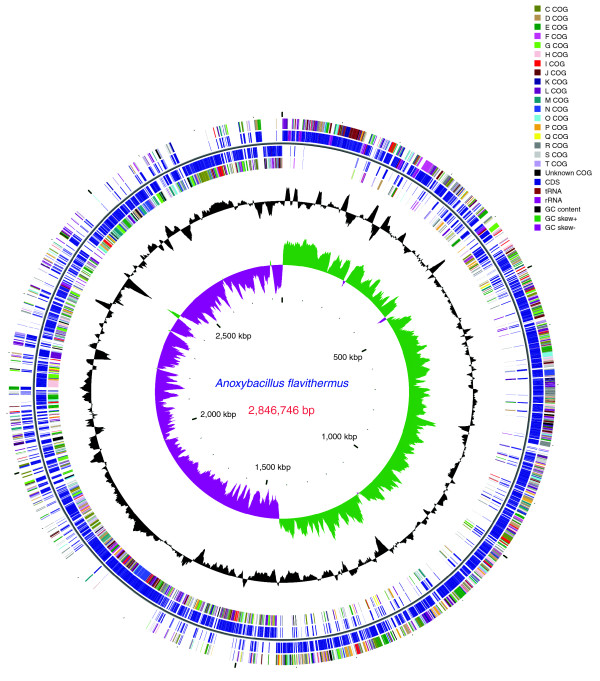
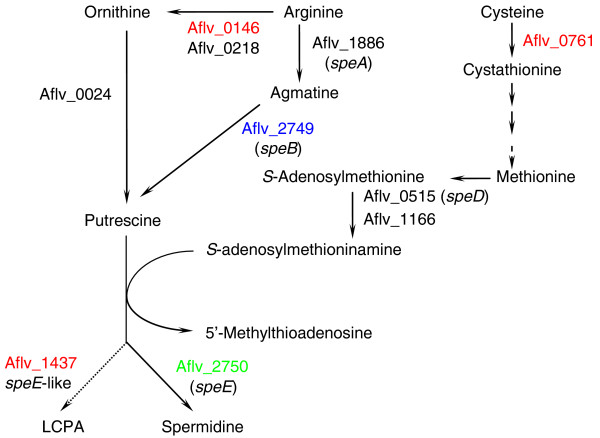
We report here the complete genome sequence of A. flavithermus strain WK1, isolated from the waste water drain at the Wairakei geothermal power station in New Zealand. It consists of a single chromosome of 2,846,746 base pairs and is predicted to encode 2,863 proteins. In silico genome analysis identified several enzymes that could be involved in silica adaptation and biofilm formation, and their predicted functions were experimentally validated in vitro. Proteomic analysis confirmed the regulation of biofilm-related proteins and crucial enzymes for the synthesis of long-chain polyamines as constituents of silica nanospheres.
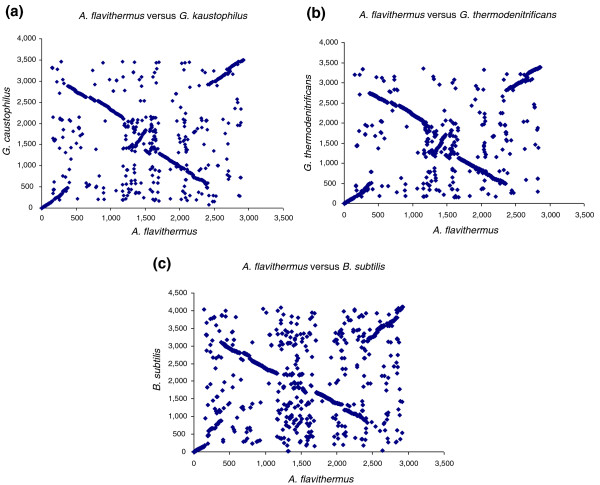
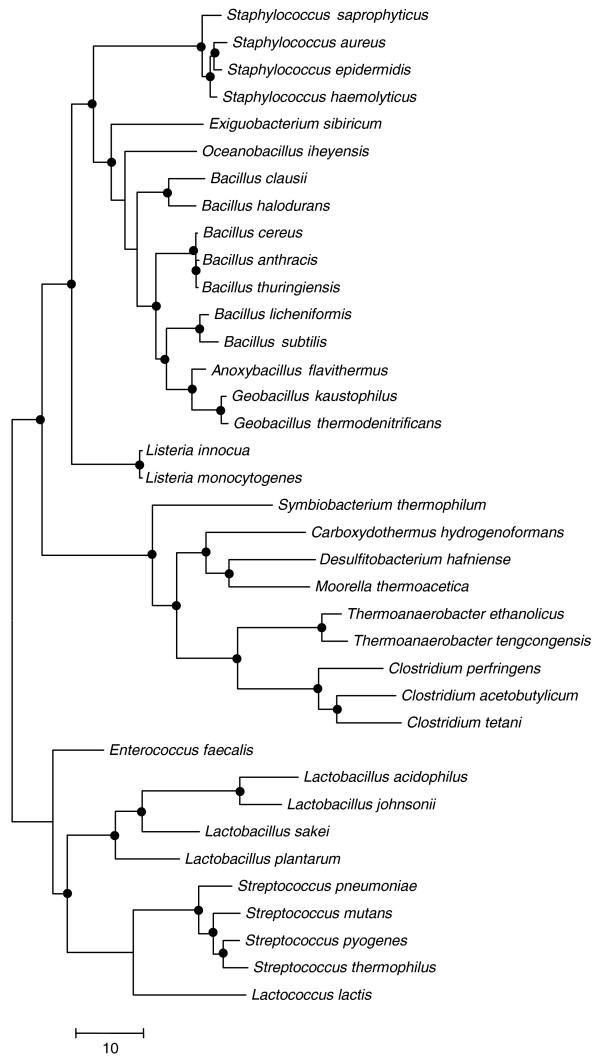
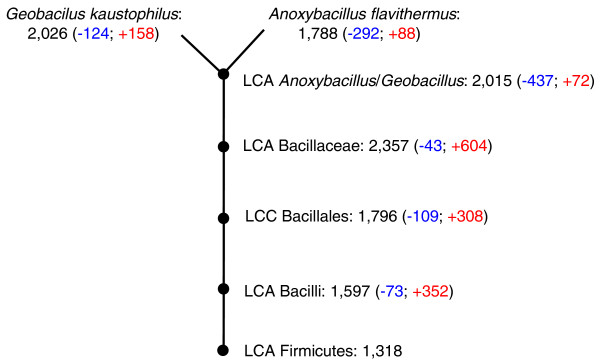
Microbial fossils preserved in silica and silica sinters are excellent objects for studying ancient life, a new paleobiological frontier. An integrated analysis of the A. flavithermus genome and proteome provides the first glimpse of metabolic adaptation during silicification and sinter formation. Comparative genome analysis suggests an extensive gene loss in the Anoxybacillus/Geobacillus branch after its divergence from other bacilli.
嗜热栖热放线菌属的革兰氏阳性菌已在多种嗜热生境中被发现,如地热温泉和粪便,以及在明胶和奶粉等加工食品中。嗜热栖热放线菌是一种兼性厌氧菌,存在于过饱和二氧化硅溶液和蛋白石二氧化硅烧结物中。嗜热栖热放线菌在过饱和二氧化硅溶液中生长的能力使其成为研究烧结物形成过程的理想对象,这一过程可能类似于生命起源时发生的生物矿化过程。
我们在此报告从新西兰怀拉基地热电站废水排放口分离出的嗜热栖热放线菌菌株WK1的完整基因组序列。它由一条2,846,746个碱基对的单一染色体组成,预计编码2,863种蛋白质。通过计算机基因组分析鉴定出几种可能参与二氧化硅适应和生物膜形成的酶,其预测功能在体外得到了实验验证。蛋白质组学分析证实了生物膜相关蛋白质的调控以及作为二氧化硅纳米球成分的长链多胺合成关键酶的调控。
保存在二氧化硅和二氧化硅烧结物中的微生物化石是研究古代生命这一全新古生物学前沿领域的极佳对象。对嗜热栖热放线菌基因组和蛋白质组的综合分析首次揭示了硅化和烧结物形成过程中的代谢适应情况。比较基因组分析表明,嗜热栖热放线菌/嗜热栖热芽孢杆菌分支与其他芽孢杆菌分化后发生了广泛的基因丢失。