Cheik Nadia Carla, Rossi Elizeu Antônio, Guerra Ricardo Luís Fernandes, Tenório Neuli Maria, Oller do Nascimento Cláudia Maria, Viana Fabiana Pavan, Manzoni Marla Simone Jovenasso, Carlos Iracilda Zeponni, Leão da Silva Patrícia, Vendramini Regina Célia, Dâmaso Ana Raimunda
UFU/Federal University of Uberlândia, Uberlândia, Minas Gerais, Brasil.
Lipids Health Dis. 2008 Dec 16;7:50. doi: 10.1186/1476-511X-7-50.
Available data on the effects of a fermented soy product enriched with Enterococcus faecium and Lactobacillus Jugurti on circulating lipids and adiposity are not completely settled. This study aimed to observe the effects of a fermented soy product enriched with Enterococcus faecium and Lactobacillus Jugurti on central obesity and dyslipidemia control in Wistar adult male rats.
Over a period of 8 weeks, animals had "ad libitum" food intake and water consumption as well as body weight and food consumption was monitored. The animals were assigned to four different experimental groups: Control Group (C); Control + Fermented Product Group (CPF); Hypercholesterolemic diet group (H); and Hypercholesterolemic + Fermented Product Group (HPF). The HPF and CPF groups received an intragastric administration of 1 ml of fermented product daily. After the experimental period the animals were killed by decapitation, blood was collected to measure cholesterol, triglycerides and HDL-cholesterol plasma concentration. Adipocyte circumference, lipolysis and lipogenis rates were measures using epididymal and retroperitoneal white adipose tissues.
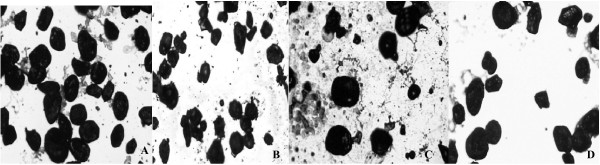
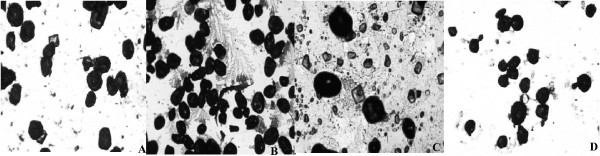
The results demonstrated that 1 ml/day/rat of the fermented soy product promoted important benefits such as reduced cholesterolemia in hypercholesterolemic diet group and the adipocyte circumference in both control and hypercholesterolemic diet group.
The fermented soy product enriched with Enterococcus faecium and Lactobacillus Jugurti decreased circulating lipids levels and reduced adipocyte area in rats.
关于富含粪肠球菌和约氏乳杆菌的发酵豆制品对循环脂质和肥胖影响的现有数据尚未完全明确。本研究旨在观察富含粪肠球菌和约氏乳杆菌的发酵豆制品对Wistar成年雄性大鼠中心性肥胖和血脂异常控制的影响。
在8周的时间里,动物自由进食和饮水,监测体重和食物摄入量。将动物分为四个不同的实验组:对照组(C);对照+发酵产品组(CPF);高胆固醇饮食组(H);高胆固醇+发酵产品组(HPF)。HPF组和CPF组每天经胃内给予1毫升发酵产品。实验期结束后,通过断头处死动物,采集血液以测量胆固醇、甘油三酯和高密度脂蛋白胆固醇的血浆浓度。使用附睾和腹膜后白色脂肪组织测量脂肪细胞周长、脂肪分解和脂肪生成率。
结果表明,每天每只大鼠1毫升的发酵豆制品具有重要益处,如降低高胆固醇饮食组的胆固醇血症以及降低对照组和高胆固醇饮食组的脂肪细胞周长。
富含粪肠球菌和约氏乳杆菌的发酵豆制品可降低大鼠循环脂质水平并减少脂肪细胞面积。