Baum Bruce J, Zheng Changyu, Cotrim Ana P, McCullagh Linda, Goldsmith Corinne M, Brahim Jaime S, Atkinson Jane C, Turner R James, Liu Shuying, Nikolov Nikolay, Illei Gabor G
Molecular Physiology and Therapeutics Branch and Clinical Research Core, National Institute of Dental and Craniofacial Research, NIH, Bethesda, MD 20892, USA.
Handb Exp Pharmacol. 2009(190):403-18. doi: 10.1007/978-3-540-79885-9_20.
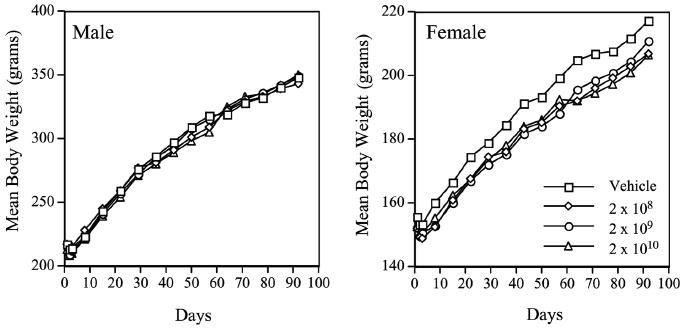
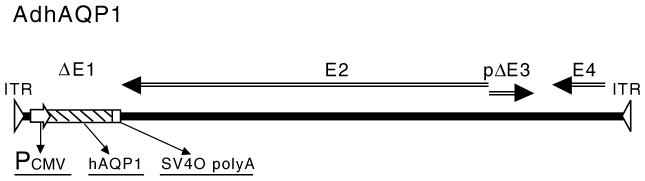
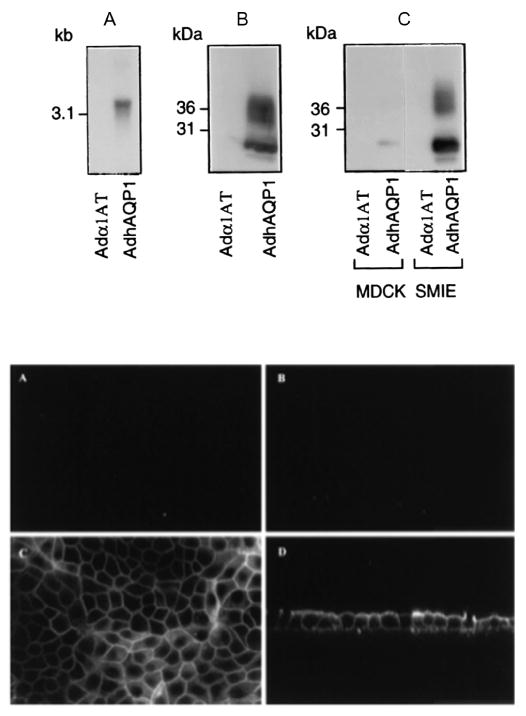
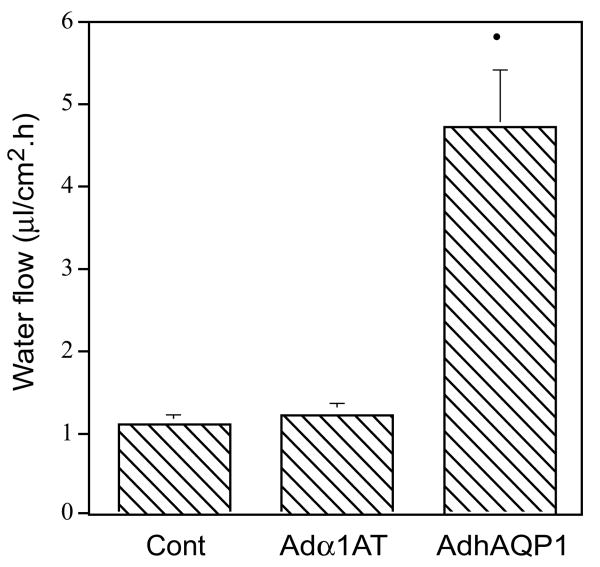
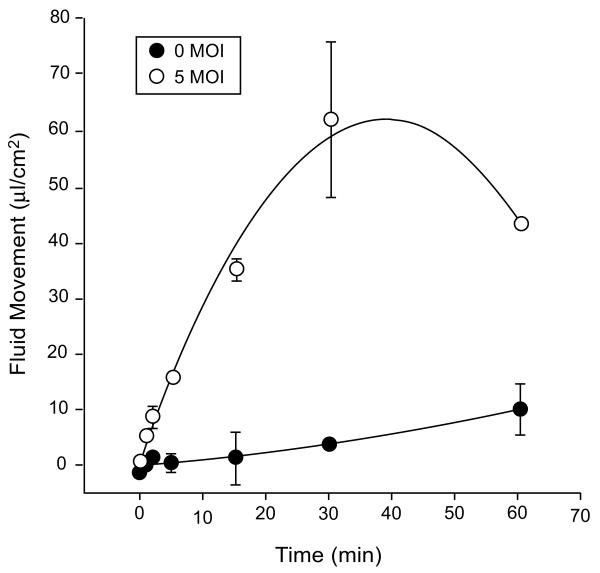
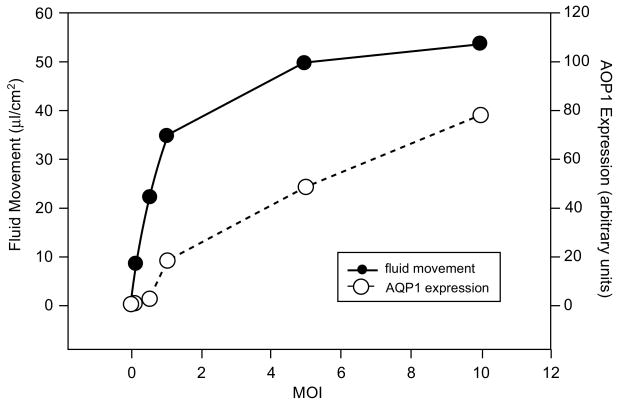
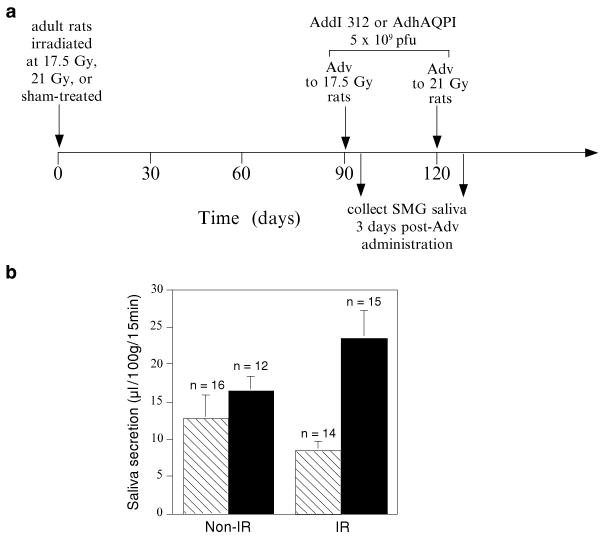
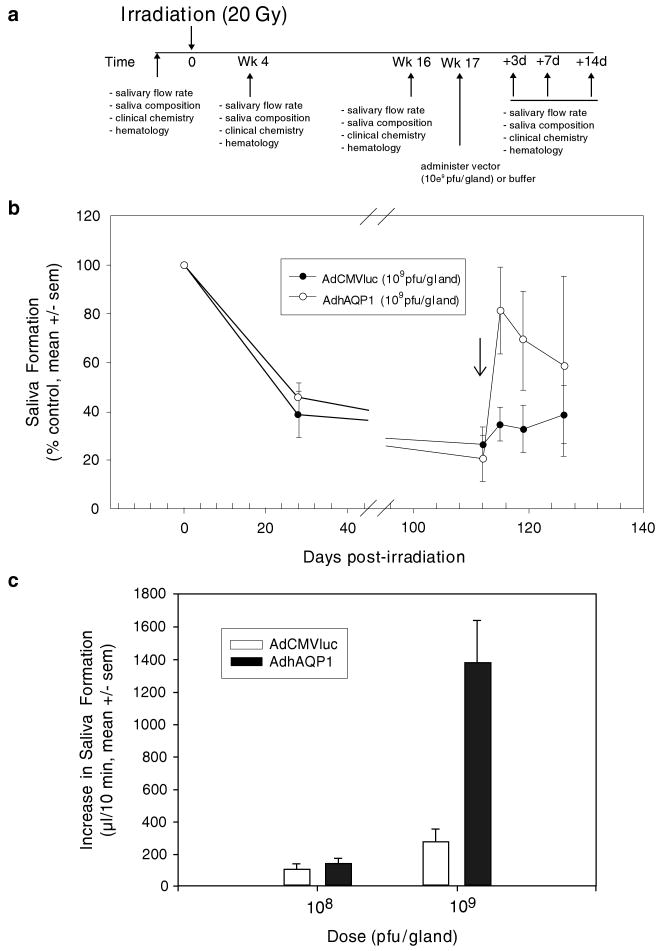
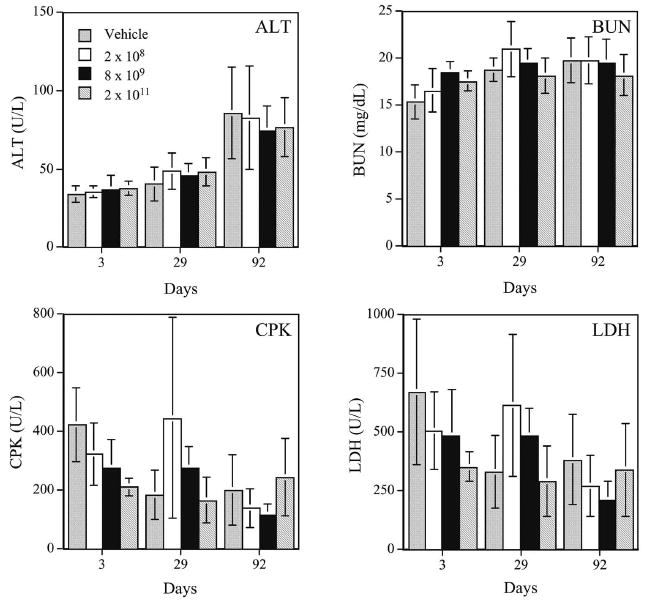
Irradiation damage to salivary glands is a common iatrogenic consequence of treatment for head and neck cancers. The subsequent lack of saliva production leads to many functional and quality-of-life problems for affected patients and there is no effective conventional therapy. To address this problem, we developed an in vivo gene therapy strategy involving viral vector-mediated transfer of the aquaporin-1 cDNA to irradiation-damaged glands and successfully tested it in two pre-clinical models (irradiated rats and miniature pigs), as well as demonstrated its safety in a large toxicology and biodistribution study. Thereafter, a clinical research protocol was developed that has received approval from all required authorities in the United States. Patients are currently being enrolled in this study.
唾液腺的辐射损伤是头颈部癌症治疗常见的医源性后果。随后唾液分泌缺乏给受影响的患者带来许多功能和生活质量问题,并且没有有效的传统治疗方法。为了解决这个问题,我们开发了一种体内基因治疗策略,即通过病毒载体介导将水通道蛋白-1 cDNA转移至受辐射损伤的腺体,并在两种临床前模型(受辐射大鼠和小型猪)中成功进行了测试,还在一项大型毒理学和生物分布研究中证明了其安全性。此后,制定了一项临床研究方案,该方案已获得美国所有相关当局的批准。目前患者正在入组该研究。