Department of Internal Medicine, Center for Advanced Medical Education by BK21 Project, Inha University School of Medicine, Incheon, Korea.
Curr Drug Targets. 2009 Dec;10(12):1227-34. doi: 10.2174/138945009789753273.
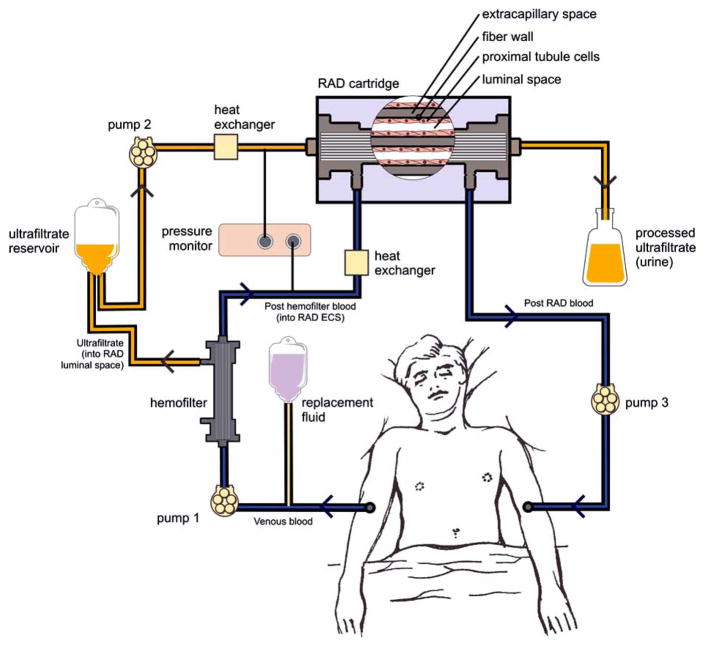
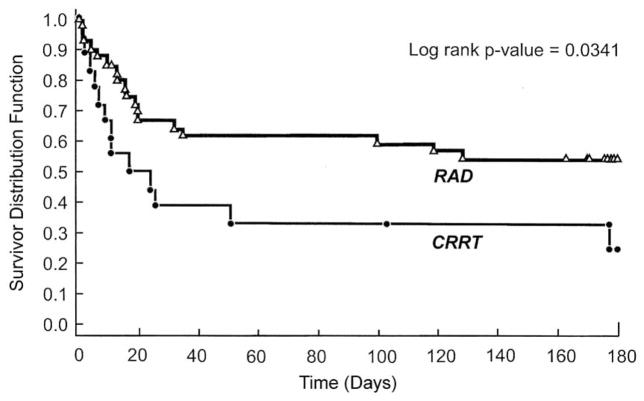
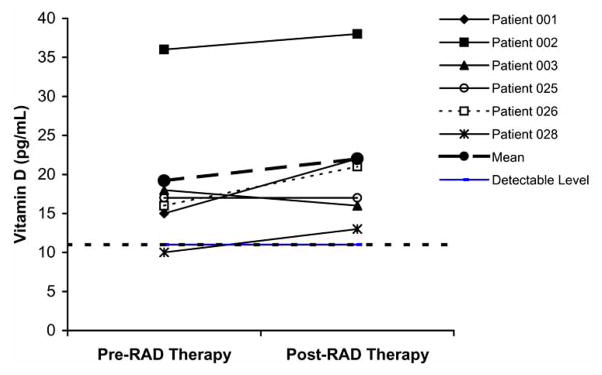
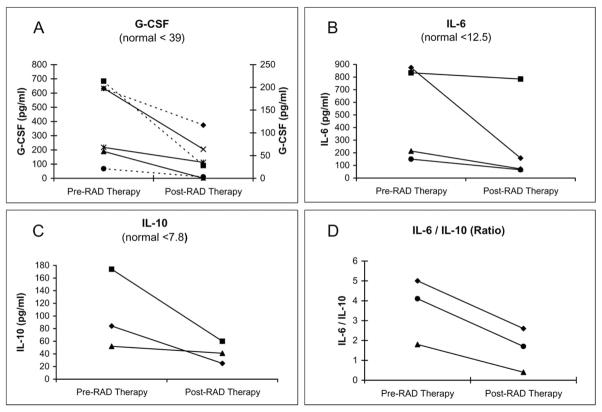
Acute kidney injury (AKI) continues to have an exceedingly high mortality rate, despite advances in dialysis technology. Current dialysis therapies replace only the filtration function of the kidney, not the critical transport, metabolic, and endocrine functions of renal tubule cells. Replacement of these additional functions would provide more complete AKI therapy and thereby change the natural history of this disease process. A renal tubule assist device (RAD) containing living renal proximal tubule cells has been successfully engineered and has demonstrated differentiated absorptive, metabolic, and endocrine functions of normal kidney in vitro and ex vivo in animal experiments. The addition of the RAD containing human cells to conventional continuous renal replacement therapy has been shown in preclinical and clinical studies to have the potential to advance AKI treatment, from enhancing renal clearance to providing more complete renal replacement therapy. This "bioartificial kidney" demonstrates metabolic activity with systemic effects and improvement of survival in patients with AKI and multiorgan failure. It also appears to influence systemic leukocyte activation and the balance of inflammatory cytokines, suggesting that cell therapy by use of the RAD may improve morbidity and mortality by altering the proinflammatory state of patients with renal failure. In addition to providing cellular metabolic function, technologies directed toward disrupting systemic inflammatory response may well enhance the clinical outcome of critically ill patients in the future. Innovative approaches to intensive renal care such as the RAD may break the mold of current institutional dialysis therapies and provide numerous opportunities to develop lifesaving technologies.
急性肾损伤 (AKI) 尽管透析技术取得了进步,但死亡率仍然极高。目前的透析疗法仅替代肾脏的滤过功能,而不能替代肾小管细胞的关键转运、代谢和内分泌功能。替代这些额外的功能将提供更完整的 AKI 治疗,从而改变这种疾病过程的自然史。已经成功设计出一种包含活的肾近端小管细胞的肾小管辅助装置 (RAD),并在体外和动物实验的离体实验中证明了其具有正常肾脏的分化吸收、代谢和内分泌功能。在临床前和临床研究中,已经证明将含有人类细胞的 RAD 添加到常规连续肾脏替代疗法中具有潜在的推进 AKI 治疗的作用,从增强肾脏清除作用到提供更完整的肾脏替代治疗。这种“生物人工肾脏”表现出代谢活性和全身性作用,并改善 AKI 和多器官衰竭患者的生存率。它似乎还影响全身白细胞的激活和炎症细胞因子的平衡,这表明通过使用 RAD 进行细胞治疗可能通过改变肾衰竭患者的促炎状态来改善发病率和死亡率。除了提供细胞代谢功能外,针对阻断全身炎症反应的技术可能会在未来增强危重病患者的临床结果。像 RAD 这样的创新方法可能会打破当前机构透析疗法的模式,并为开发救生技术提供众多机会。