University of Washington School of Nursing, Department of Family and Child Nursing, Seattle, WA 98195-7265, USA.
J Pediatr Health Care. 2009 Sep-Oct;23(5):315-26. doi: 10.1016/j.pedhc.2008.04.001. Epub 2008 May 16.
Asthma control requires assessment of nighttime symptoms and sleep disruption. Cognitive and emotional development enables most school-aged children to report nocturnal problems, but providers often rely only on parental report, potentially limiting the comprehensiveness of their assessments and their ability to support the child's emerging efforts at shared management of their illness. This study investigated parent-child concordance in report of nighttime respiratory symptoms, sleep disruption, and quality of sleep in a sample of 9- to 11-year-old children with asthma. Secondarily, similar concordance patterns in an equal number of dyads where the child was asthma free were examined to illustrate the potential influence of asthma.
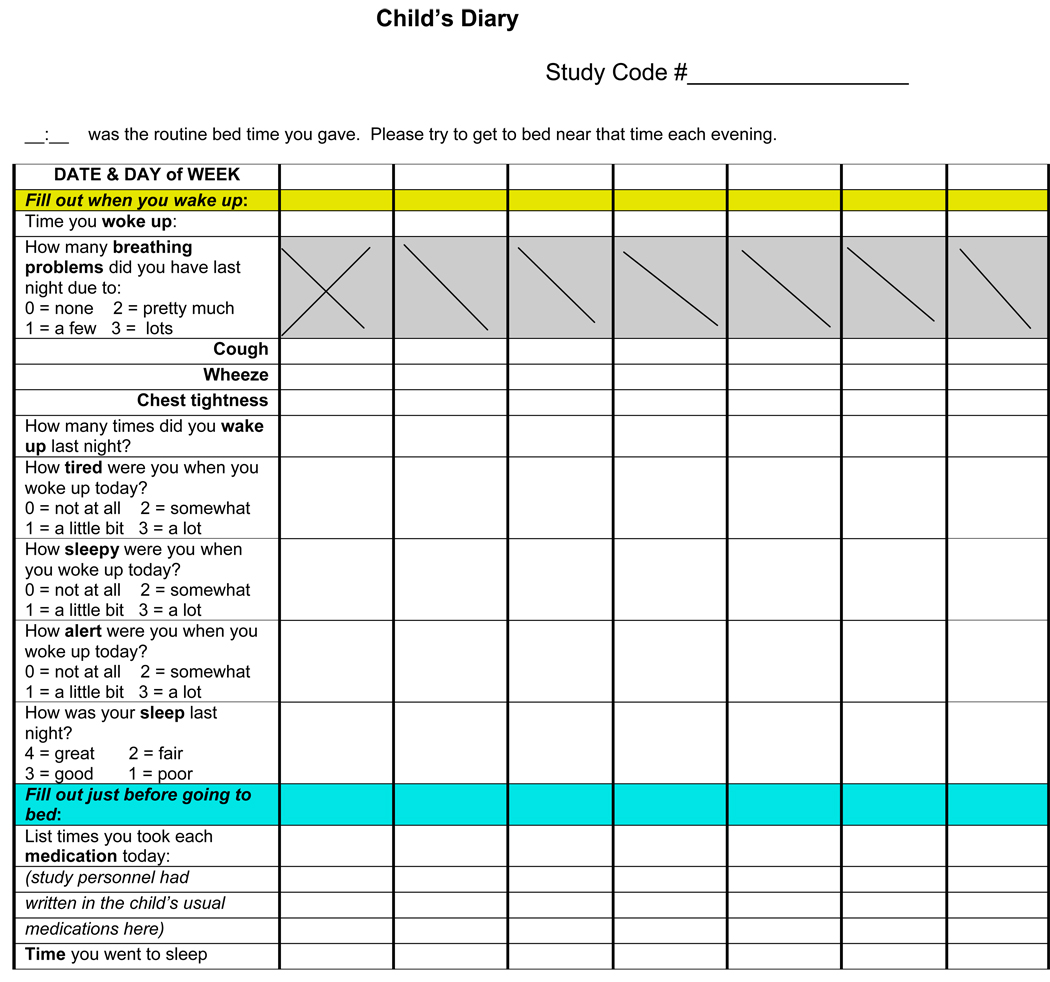
Parents and children completed 1-week diaries in their homes without confiding in one another. The probability of knowing the child's report on a specific item if the parent's report was known was assessed using contingency tables.
Within the asthma group, parent-child reports differed significantly across all symptoms and sleep parameters. Parents most often reported fewer symptoms and awakenings and better quality of sleep than did their child. Concordance rates were lowest for morning perceptions of tiredness, sleepiness, and alertness in both asthma and non-asthma groups.
Both parents and school-aged children with asthma need to be asked about nighttime asthma symptoms, sleep, and morning perceptions when attempting to evaluate asthma control. Assessment of sleep in all children should include parent and child reports and would benefit by the addition of objective measures.
哮喘控制需要评估夜间症状和睡眠障碍。认知和情绪发展使大多数学龄儿童能够报告夜间问题,但提供者通常仅依赖于父母的报告,这可能限制了评估的全面性,以及他们支持孩子在共同管理疾病方面的新兴努力的能力。本研究调查了哮喘儿童样本中父母与子女在夜间呼吸症状、睡眠中断和睡眠质量报告方面的一致性。其次,还检查了数量相等的、儿童无哮喘的对偶组中类似的一致性模式,以说明哮喘的潜在影响。
父母和孩子在家中不相互告知的情况下完成一周的日记。使用列联表评估如果父母的报告已知,知道孩子报告特定项目的概率。
在哮喘组中,父母和子女在所有症状和睡眠参数上的报告存在显著差异。父母报告的症状和觉醒次数往往比孩子少,睡眠质量也更好。在哮喘和非哮喘组中,早晨对疲劳、困倦和警觉的感知是一致性最低的。
在试图评估哮喘控制时,哮喘患儿的父母和子女都需要被问及夜间哮喘症状、睡眠和早晨的感觉。所有儿童的睡眠评估都应包括父母和孩子的报告,并受益于客观测量的加入。