Methodist Hospital Institute for Kidney Stone Disease, Indianapolis, IN, USA.
Nat Rev Urol. 2009 Dec;6(12):660-70. doi: 10.1038/nrurol.2009.216.
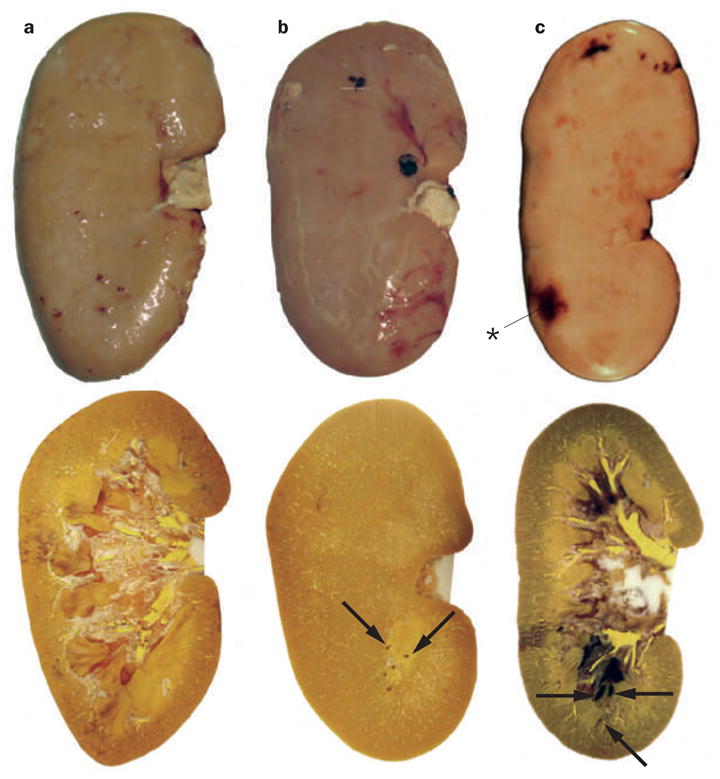
Shock wave lithotripsy (SWL) is the only noninvasive method for stone removal. Once considered as a primary option for the treatment of virtually all stones, SWL is now recognized to have important limitations that restrict its use. In particular, the effectiveness of SWL is severely limited by stone burden, and treatment with shock waves carries the risk of acute injury with the potential for long-term adverse effects. Research aiming to characterize the renal response to shock waves and to determine the mechanisms of shock wave action in stone breakage and renal injury has begun to suggest new treatment strategies to improve success rates and safety. Urologists can achieve better outcomes by treating at slower shock wave rate using a step-wise protocol. The aim is to achieve stone comminution using as few shock waves and at as low a power level as possible. Important challenges remain, including the need to improve acoustic coupling, enhance stone targeting, better determine when stone breakage is complete, and minimize the occurrence of residual stone fragments. New technologies have begun to address many of these issues, and hold considerable promise for the future.
体外冲击波碎石术(SWL)是唯一的非侵入性取石方法。SWL 曾被认为是治疗几乎所有结石的首选方法,但现在已被认识到其具有重要的局限性,限制了其应用。特别是,SWL 的有效性严重受到结石负荷的限制,冲击波治疗存在急性损伤的风险,并有潜在的长期不良影响。旨在描述肾脏对冲击波的反应,并确定冲击波在结石破碎和肾损伤中的作用机制的研究已经开始提出新的治疗策略,以提高成功率和安全性。泌尿科医生可以通过使用逐步方案以较慢的冲击波速率进行治疗来获得更好的效果。目的是使用尽可能少的冲击波和尽可能低的功率水平来实现碎石。仍存在重要挑战,包括需要改善声学耦合、增强结石靶向性、更好地确定结石破碎是否完全以及尽量减少残余结石碎片的发生。新技术已开始解决其中的许多问题,并为未来提供了巨大的希望。