Laboratory of Biochemistry, National Heart, Lung, and Blood Institute, Bethesda, MD 20892-8012, USA.
Exp Gerontol. 2010 Aug;45(7-8):596-602. doi: 10.1016/j.exger.2010.01.016. Epub 2010 Jan 22.
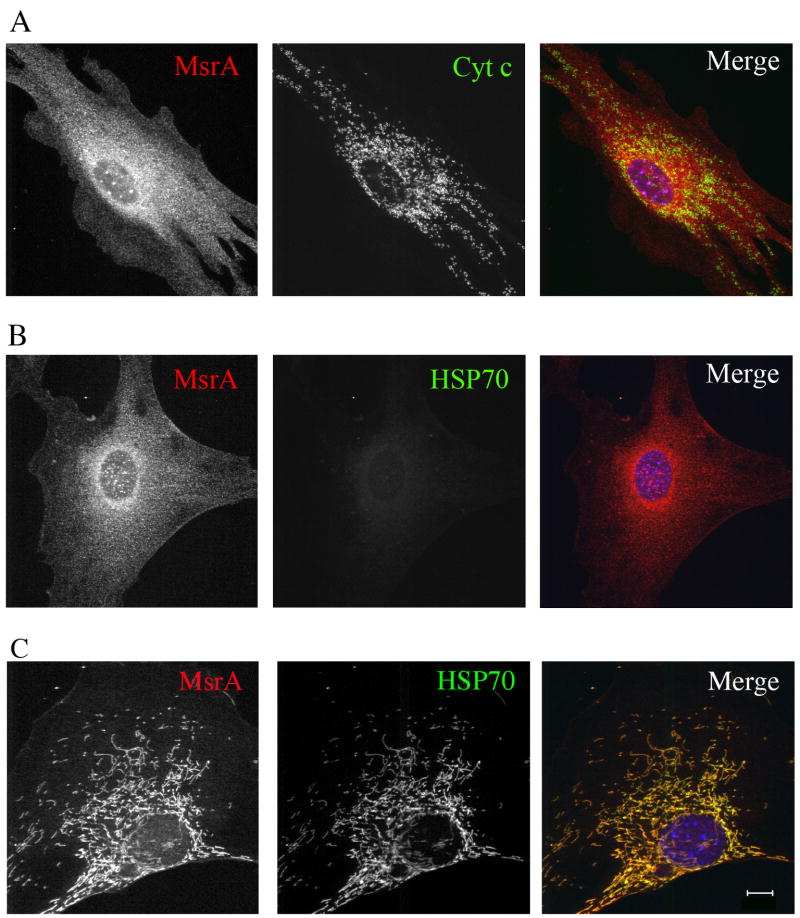
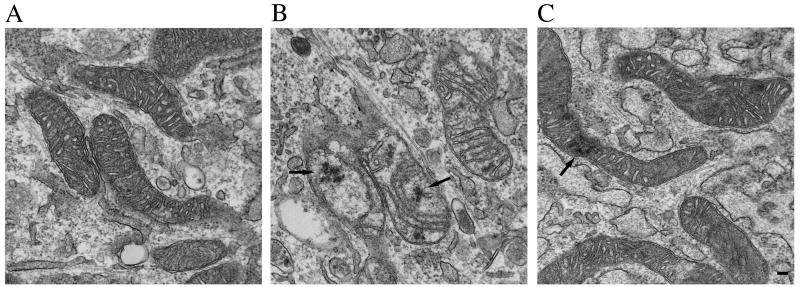
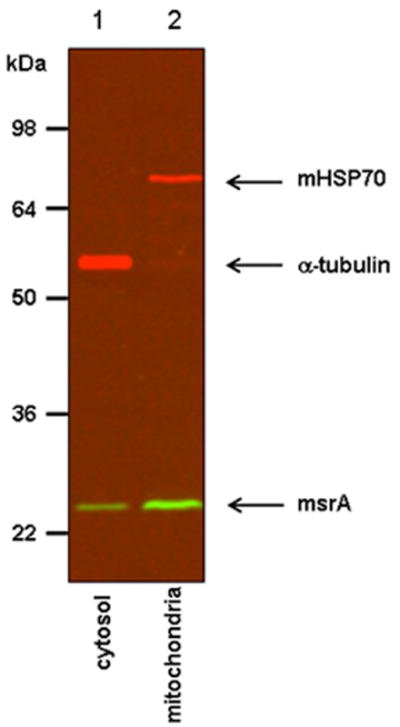
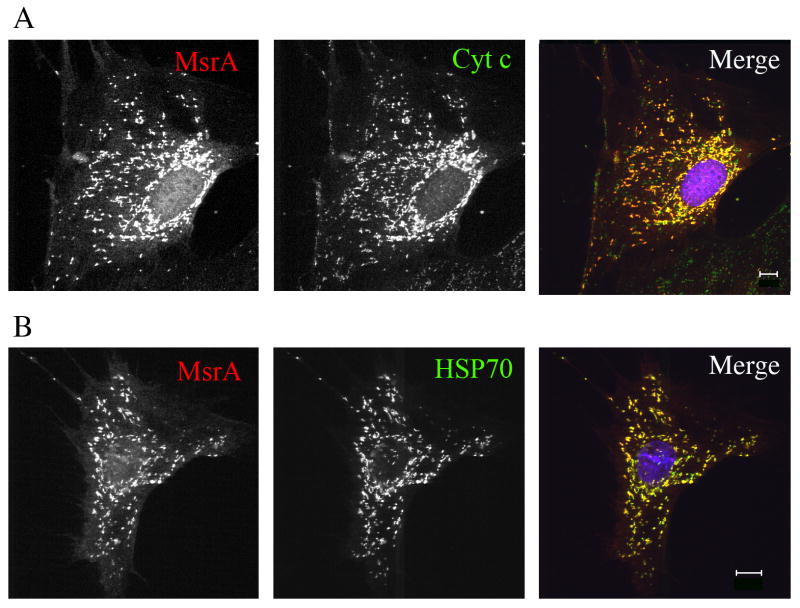
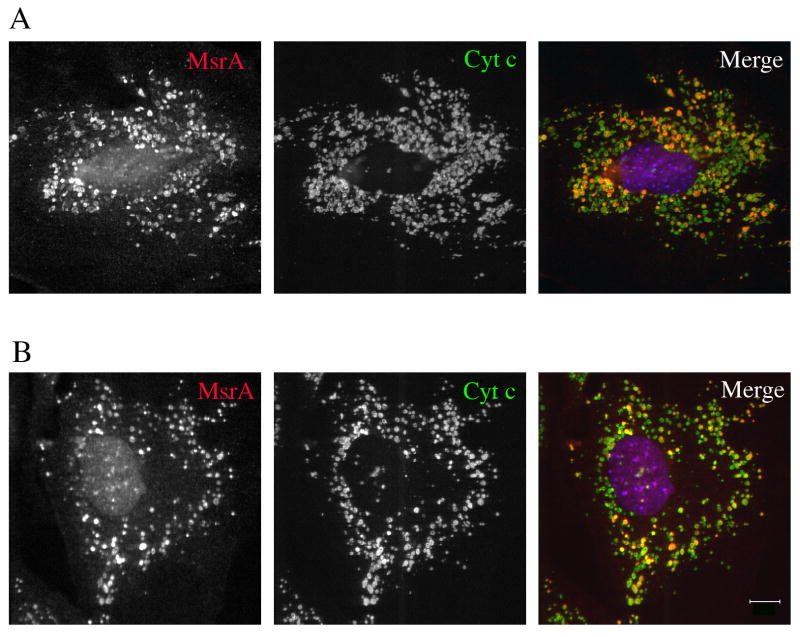
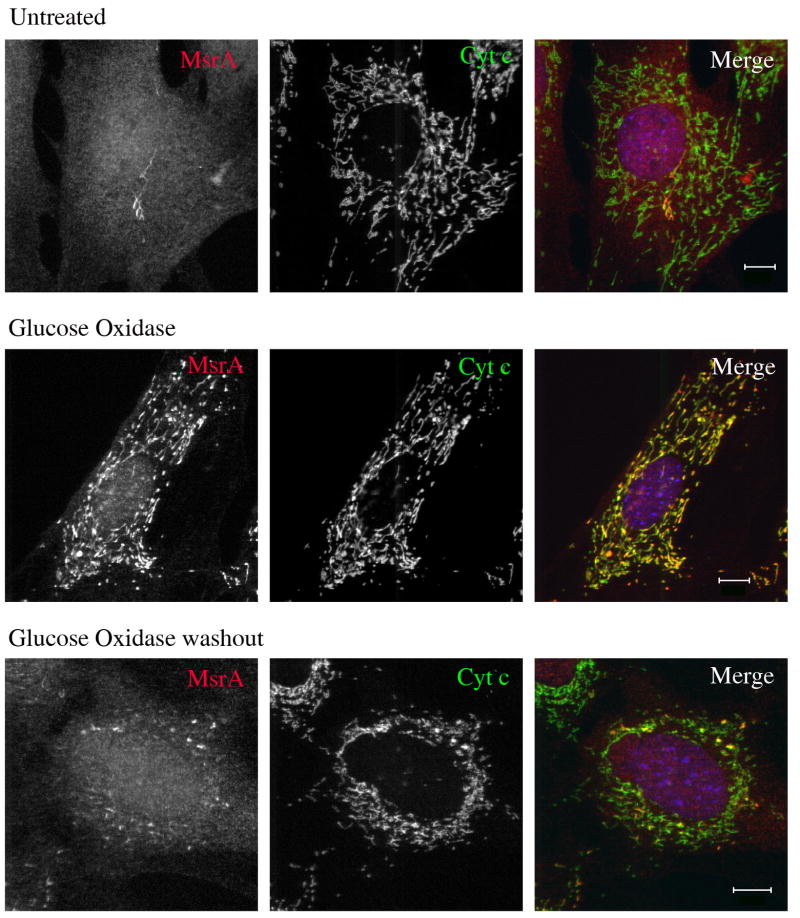
Mitochondria are a primary source as well a principal target of reactive oxygen species within cells. Using immunofluorescence microscopy, we have found that a number of mitochondrial matrix proteins are normally undetectable in formaldehyde-fixed cells permeabilized with the cholesterol-binding detergent saponin. However, exogenous or endogenous oxidative stress applied prior to fixation altered the permeability of mitochondria, rendering these matrix proteins accessible to antibodies. Electron microscopy revealed a loss of matrix density and disorganization of inner membrane cristae upon oxidative stress. Notably, the changes in permeability and in structure were rapidly reversed when the oxidative stress was relieved. The ability of reactive oxygen species to reversibly alter the permeability of the mitochondrial membrane provides a potential mechanism for communication within the cell such as between nucleus and mitochondria.
线粒体是细胞内活性氧的主要来源和主要靶标。通过免疫荧光显微镜,我们发现,在经过胆固醇结合去污剂皂素通透处理的甲醛固定细胞中,许多线粒体基质蛋白通常无法检测到。然而,固定前施加的外源性或内源性氧化应激改变了线粒体的通透性,使这些基质蛋白能够与抗体结合。电子显微镜显示,氧化应激会导致基质密度丧失和内膜嵴结构紊乱。值得注意的是,当氧化应激得到缓解时,通透性和结构的变化迅速逆转。活性氧可逆地改变线粒体膜通透性的能力为细胞内通讯提供了一种潜在的机制,例如核与线粒体之间的通讯。