Pappalardo Francesco, Lefranc Marie-Paule, Lollini Pier-Luigi, Motta Santo
Institute for Computing Applications 'M. Picone', National Research Council (CNR), Rome, Italy.
Immunome Res. 2010 Feb 18;6(1):1. doi: 10.1186/1745-7580-6-1.
Biology is moving fast toward the virtuous circle of other disciplines: from data to quantitative modeling and back to data. Models are usually developed by mathematicians, physicists, and computer scientists to translate qualitative or semi-quantitative biological knowledge into a quantitative approach. To eliminate semantic confusion between biology and other disciplines, it is necessary to have a list of the most important and frequently used concepts coherently defined.
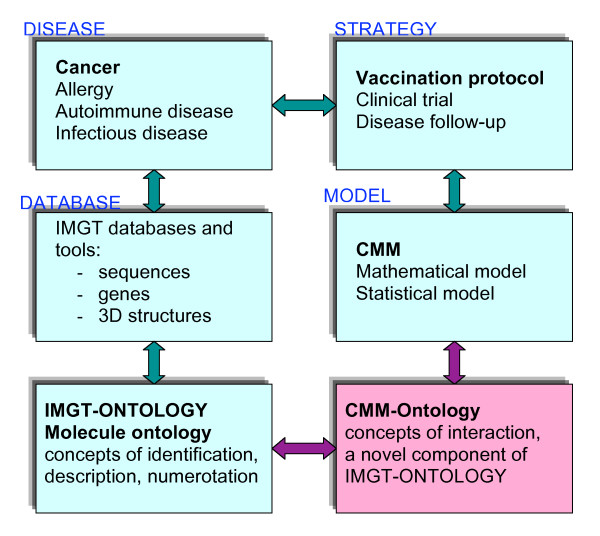
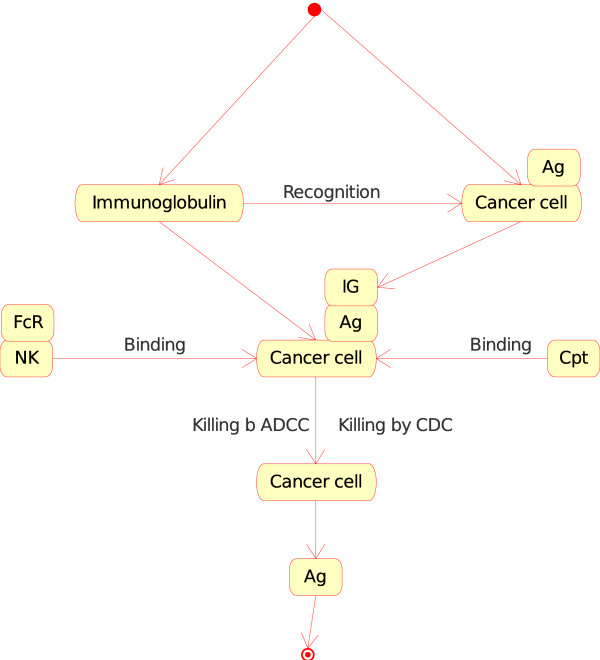
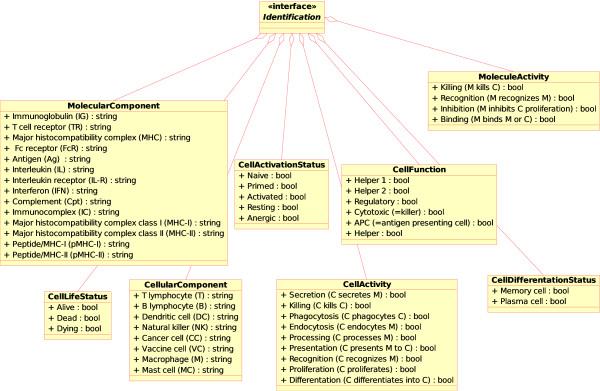
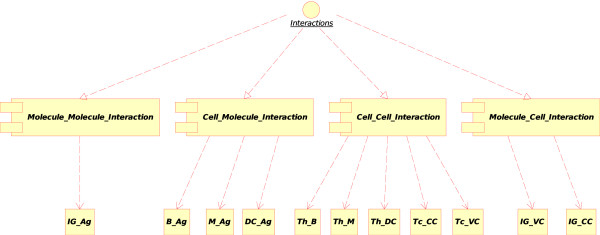
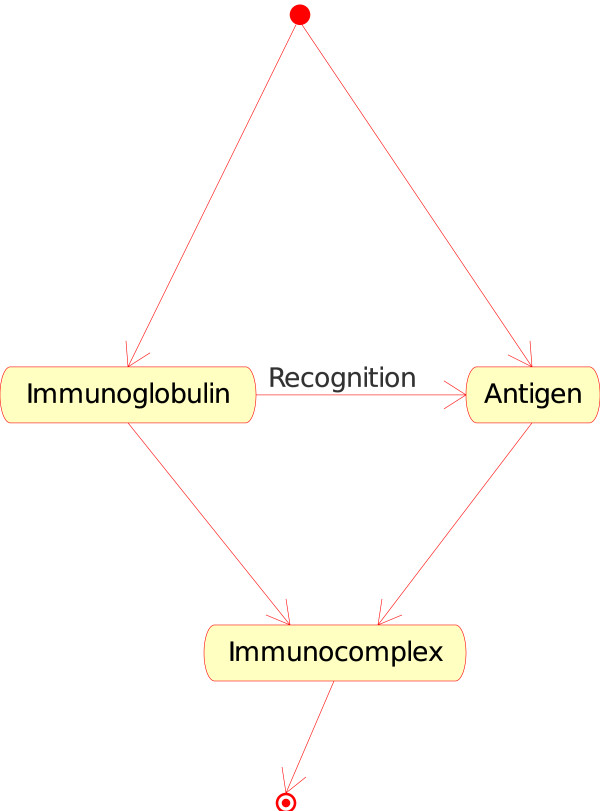
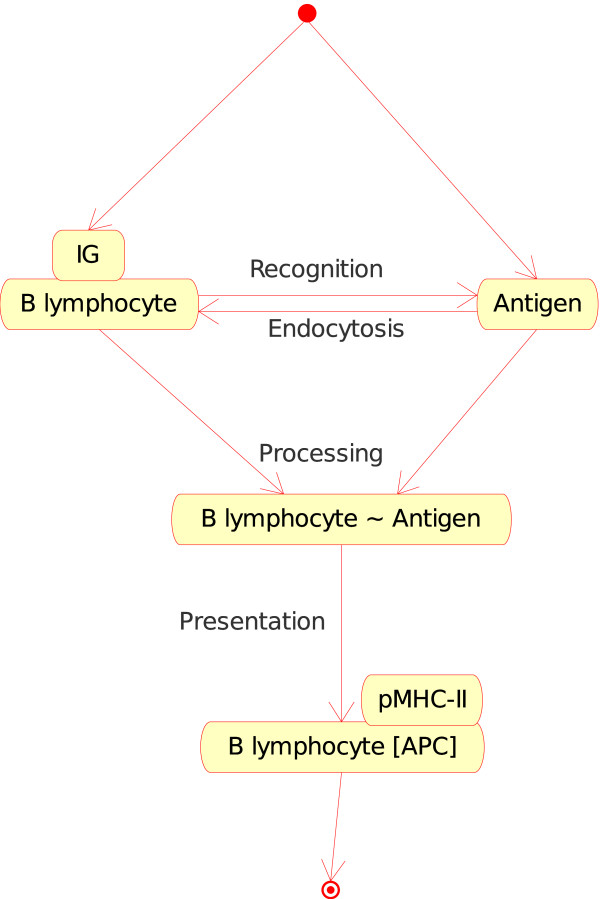
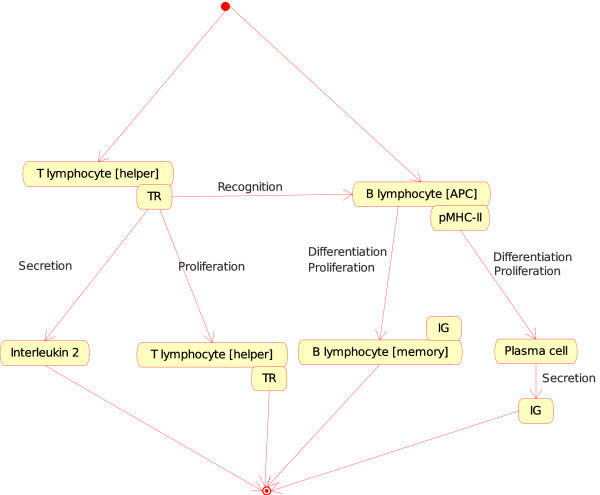
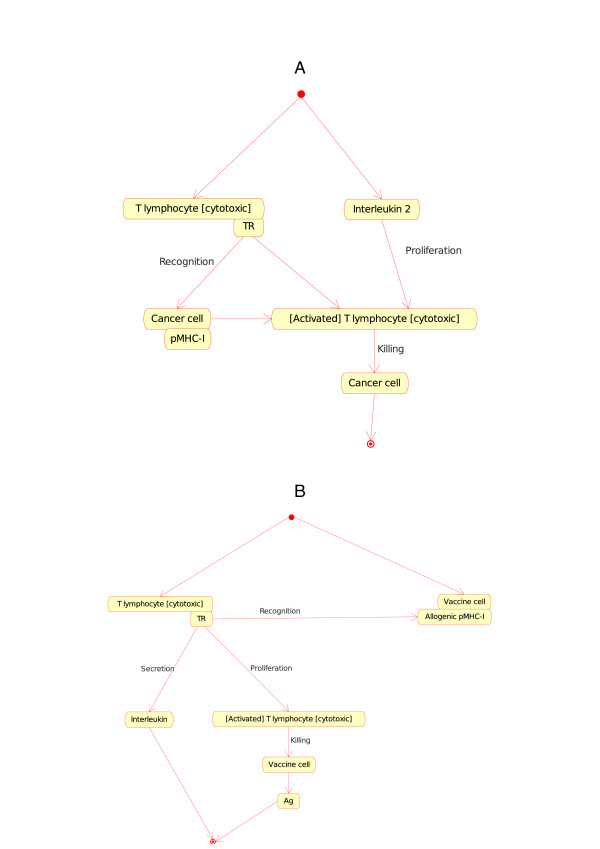
We propose a novel paradigm for generating new concepts for an ontology, starting from model rather than developing a database. We apply that approach to generate concepts for cell and molecule interaction starting from an agent based model. This effort provides a solid infrastructure that is useful to overcome the semantic ambiguities that arise between biologists and mathematicians, physicists, and computer scientists, when they interact in a multidisciplinary field.
This effort represents the first attempt at linking molecule ontology with cell ontology, in IMGT-ONTOLOGY, the well established ontology in immunogenetics and immunoinformatics, and a paradigm for life science biology. With the increasing use of models in biology and medicine, the need to link different levels, from molecules to cells to tissues and organs, is increasingly important.
生物学正迅速朝着其他学科的良性循环发展:从数据到定量建模,再回到数据。模型通常由数学家、物理学家和计算机科学家开发,以便将定性或半定量的生物学知识转化为定量方法。为了消除生物学与其他学科之间的语义混淆,有必要连贯地定义一份最重要且最常用概念的清单。
我们提出了一种为本体生成新概念的新颖范式,从模型出发而非开发数据库。我们应用该方法从基于主体的模型出发生成细胞与分子相互作用的概念。这项工作提供了一个坚实的基础设施,有助于克服生物学家与数学家、物理学家和计算机科学家在多学科领域互动时出现的语义模糊性。
这项工作代表了在IMGT - 本体(免疫遗传学和免疫信息学中成熟的本体,也是生命科学生物学的一种范式)中将分子本体与细胞本体相联系的首次尝试。随着模型在生物学和医学中的使用日益增加,连接从分子到细胞再到组织和器官等不同层次的需求变得越来越重要。