Howard Hughes Medical Institute, Department of Chemistry, University of California, Berkeley, CA 94720, USA.
Nat Rev Mol Cell Biol. 2010 May;11(5):342-52. doi: 10.1038/nrm2883. Epub 2010 Mar 31.
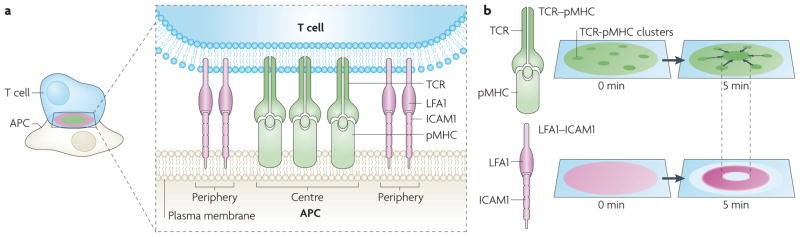
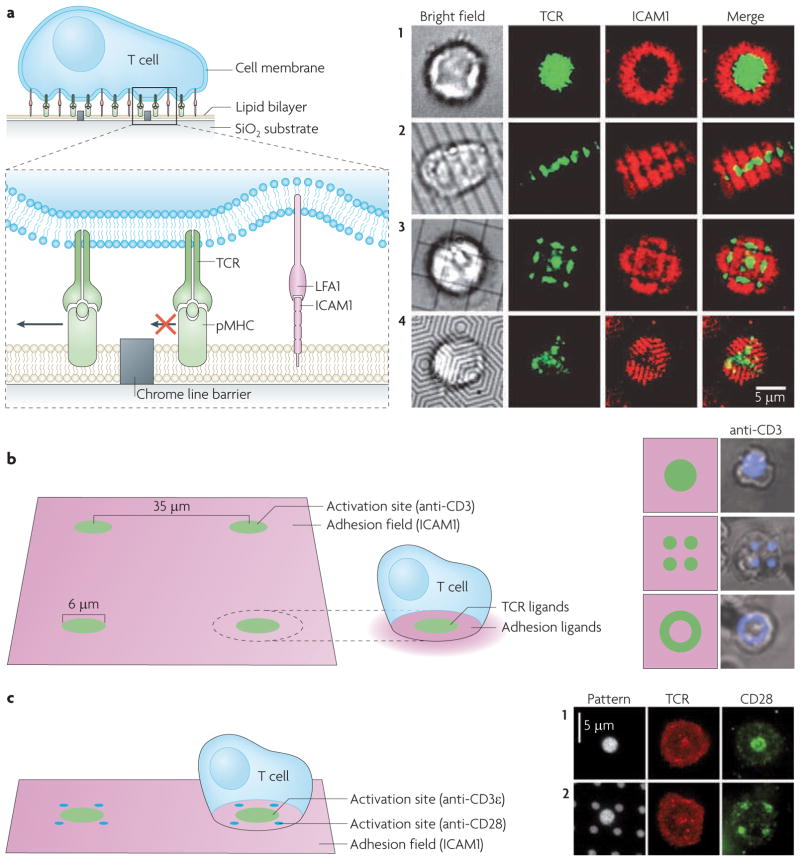
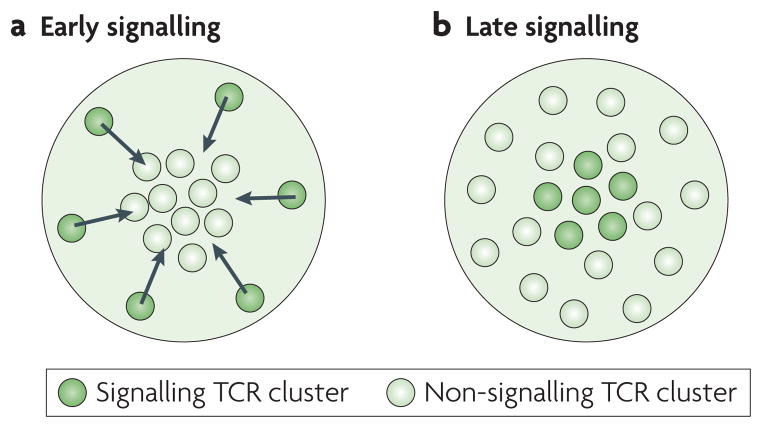
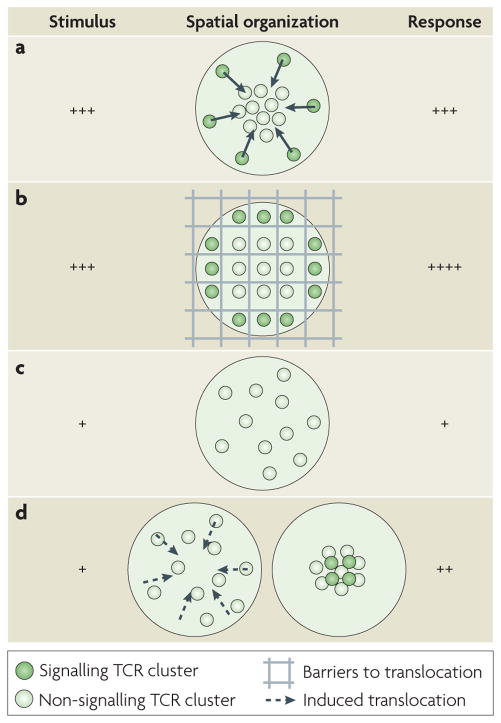
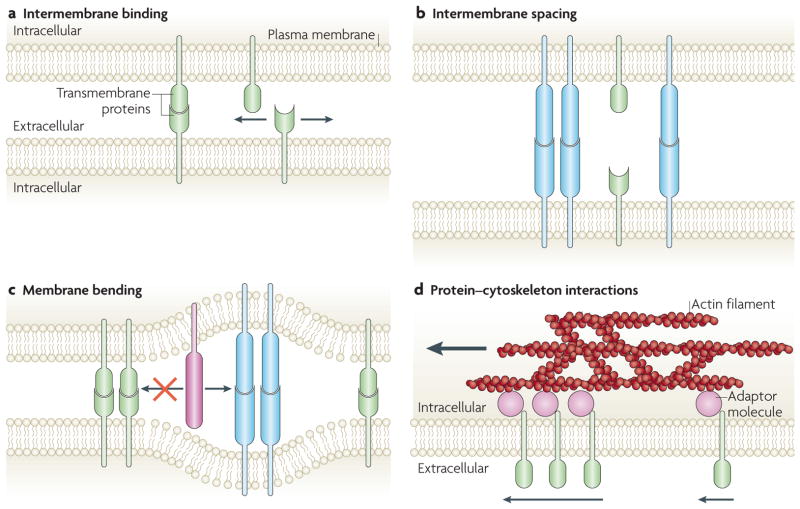
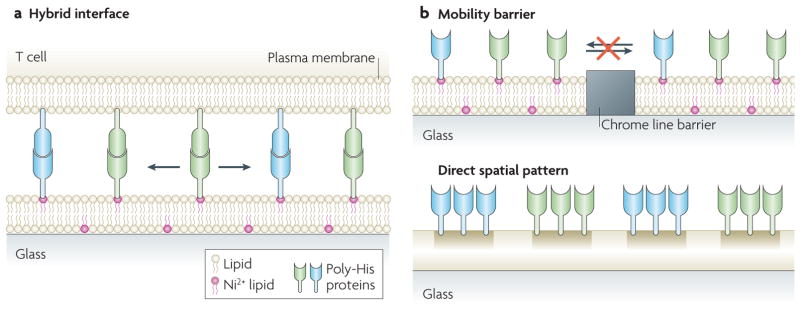
The coordinated organization of cell membrane receptors into diverse micrometre-scale spatial patterns is emerging as an important theme of intercellular signalling, as exemplified by immunological synapses. Key characteristics of these patterns are that they transcend direct protein-protein interactions, emerge transiently and modulate signal transduction. Such cooperativity over multiple length scales presents new and intriguing challenges for the study and ultimate understanding of cellular signalling. As a result, new experimental strategies have emerged to manipulate the spatial organization of molecules inside living cells. The resulting spatial mutations yield insights into the interweaving of the spatial, mechanical and chemical aspects of intercellular signalling.
细胞膜受体的协调组织形成不同的微米级空间模式,这正在成为细胞间信号传递的一个重要主题,免疫突触就是一个很好的例子。这些模式的关键特征是它们超越了直接的蛋白质-蛋白质相互作用,是瞬时出现的,并调节信号转导。这种在多个长度尺度上的协同作用给细胞信号转导的研究和最终理解带来了新的、有趣的挑战。因此,新的实验策略已经出现,以操纵活细胞内分子的空间组织。这些空间突变产生了对细胞间信号传递的空间、力学和化学方面交织的深入了解。