School of Biology and Ecology, University of Maine, Orono, ME 04469, USA.
Dev Biol. 2010 Aug 15;344(2):809-26. doi: 10.1016/j.ydbio.2010.05.513. Epub 2010 Jun 8.
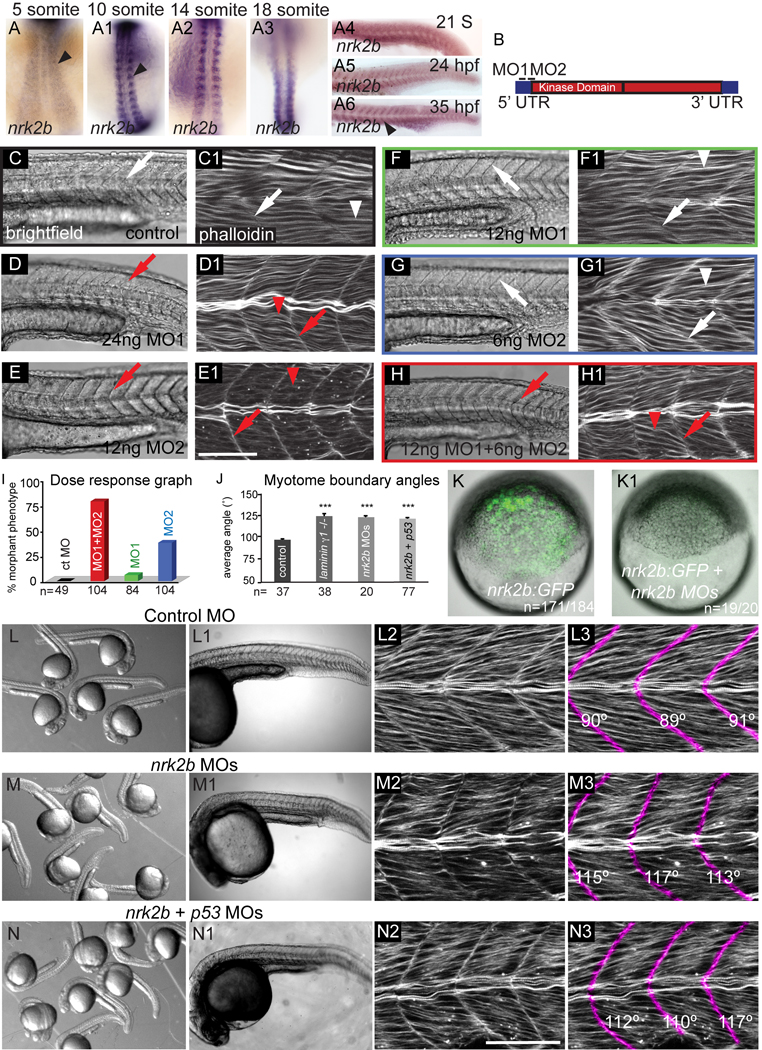
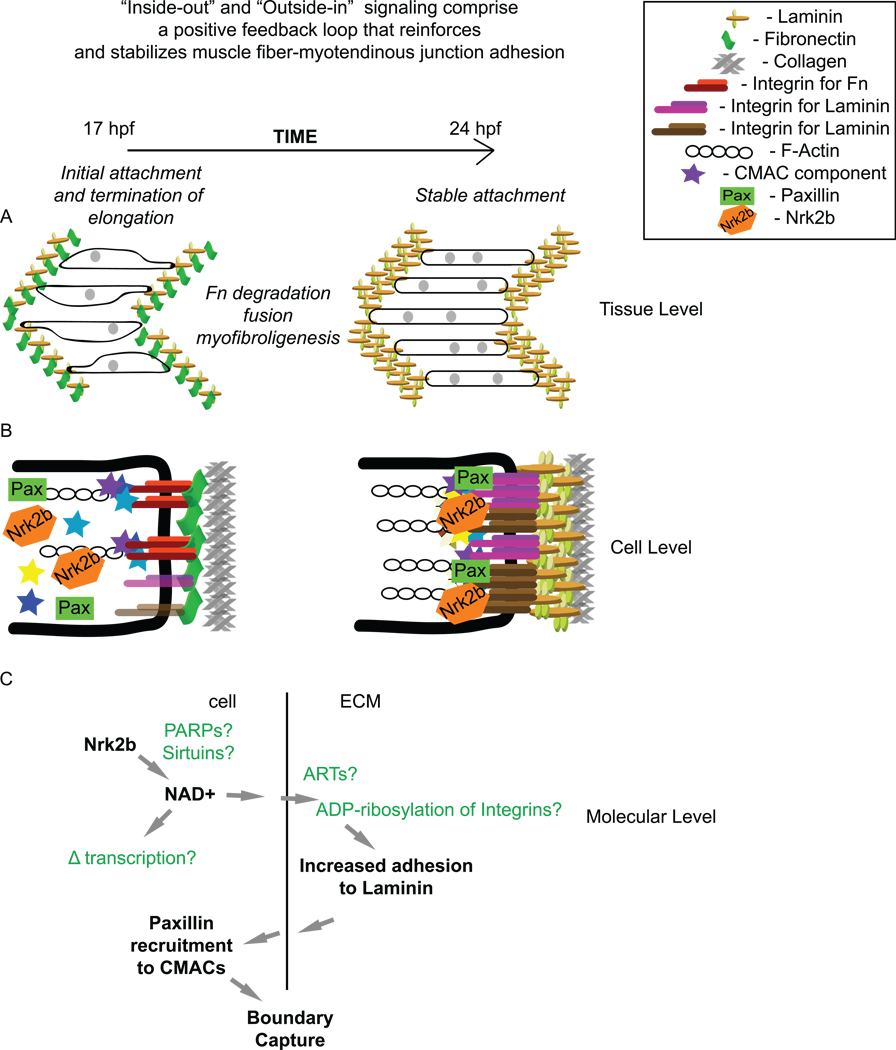
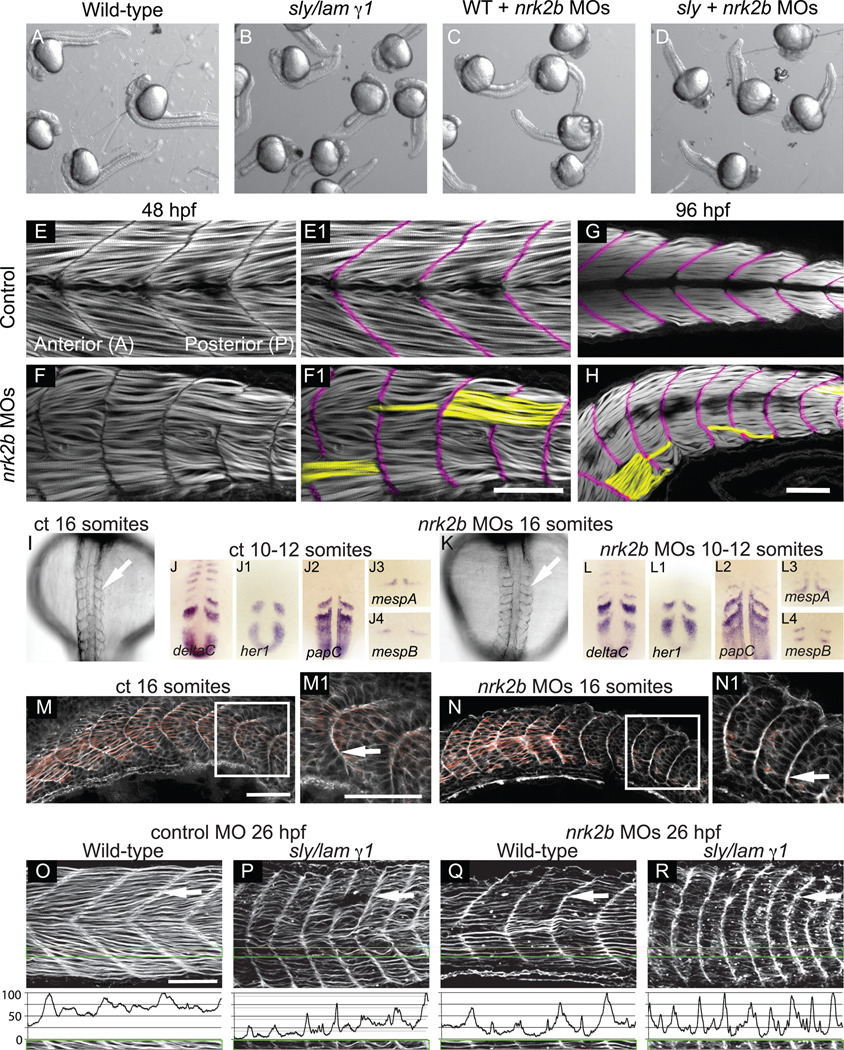
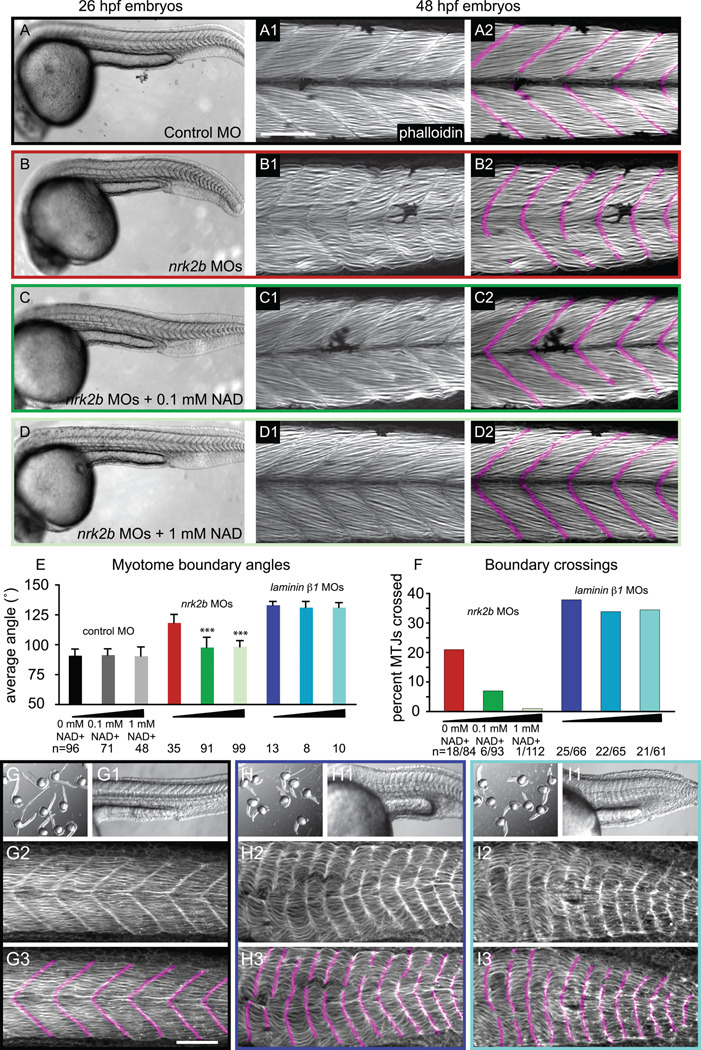
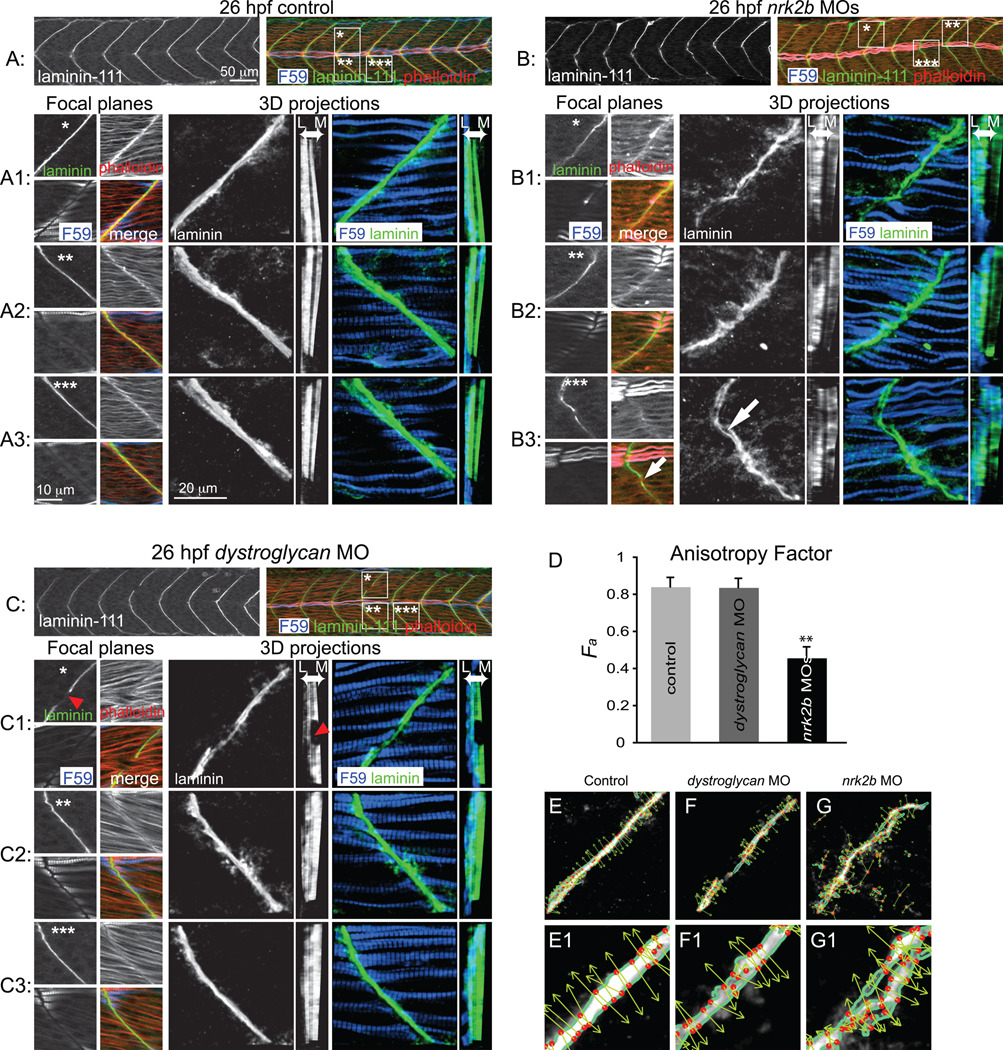
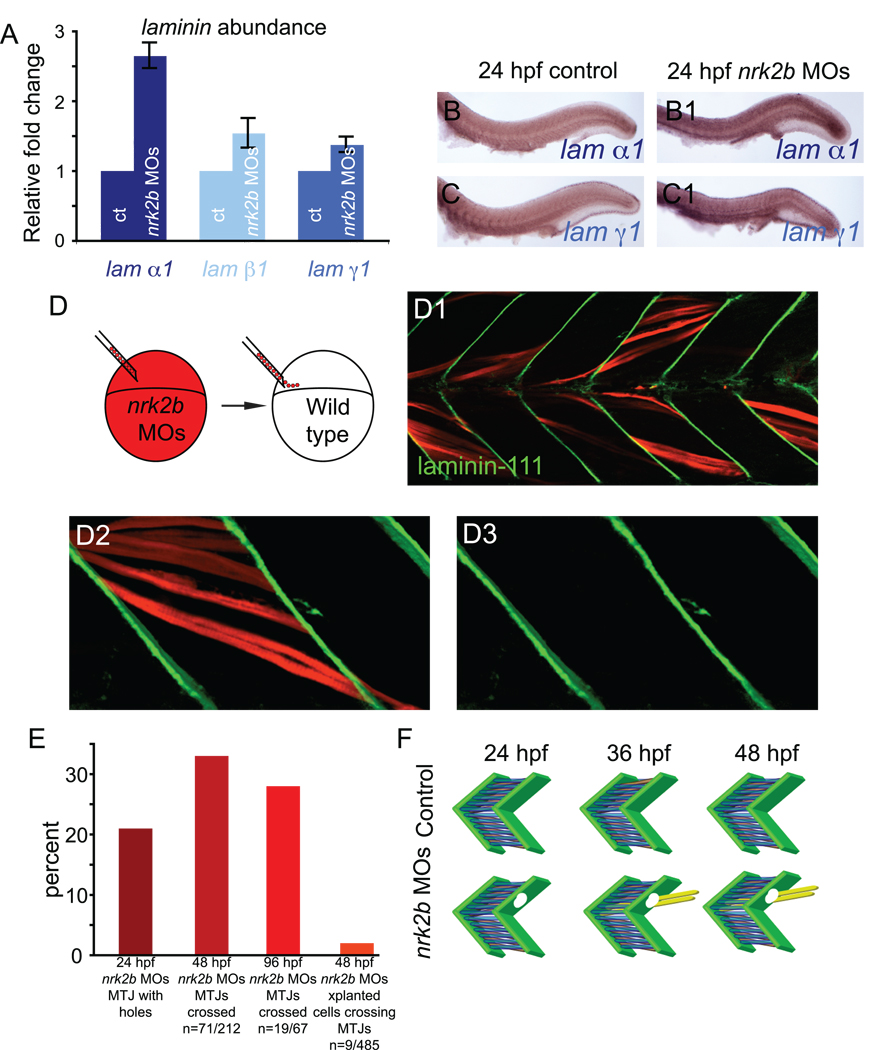
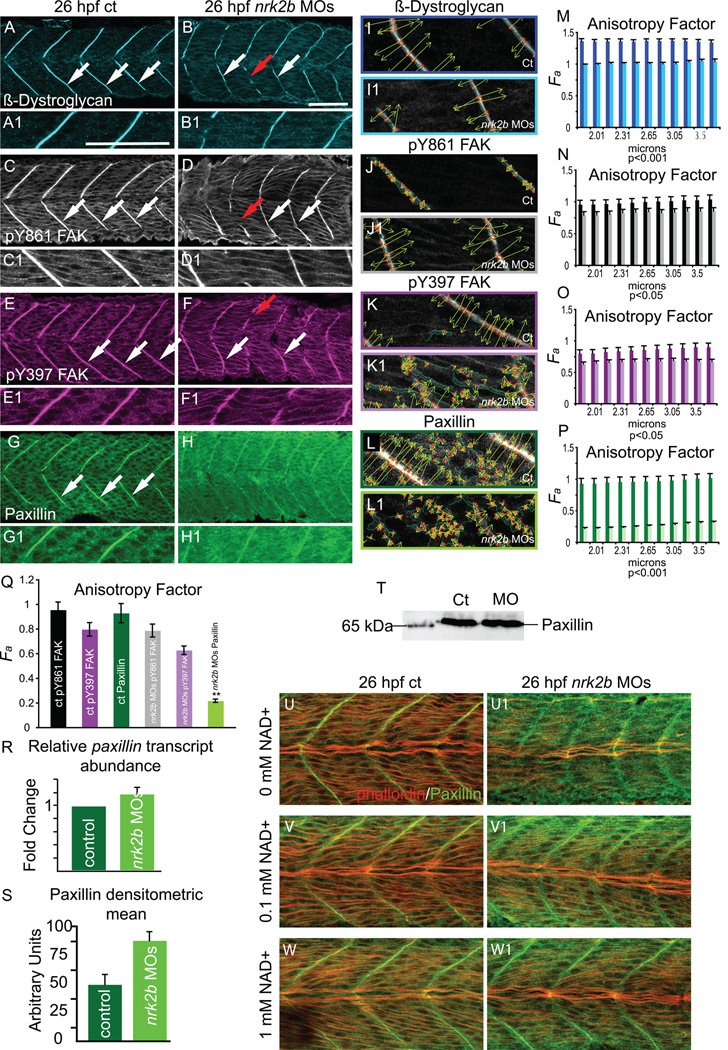
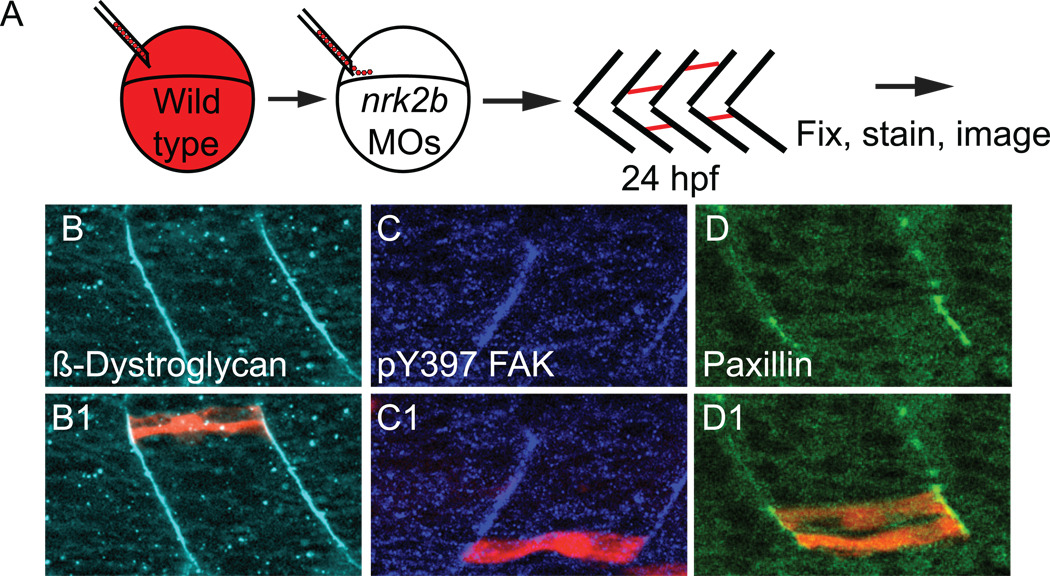
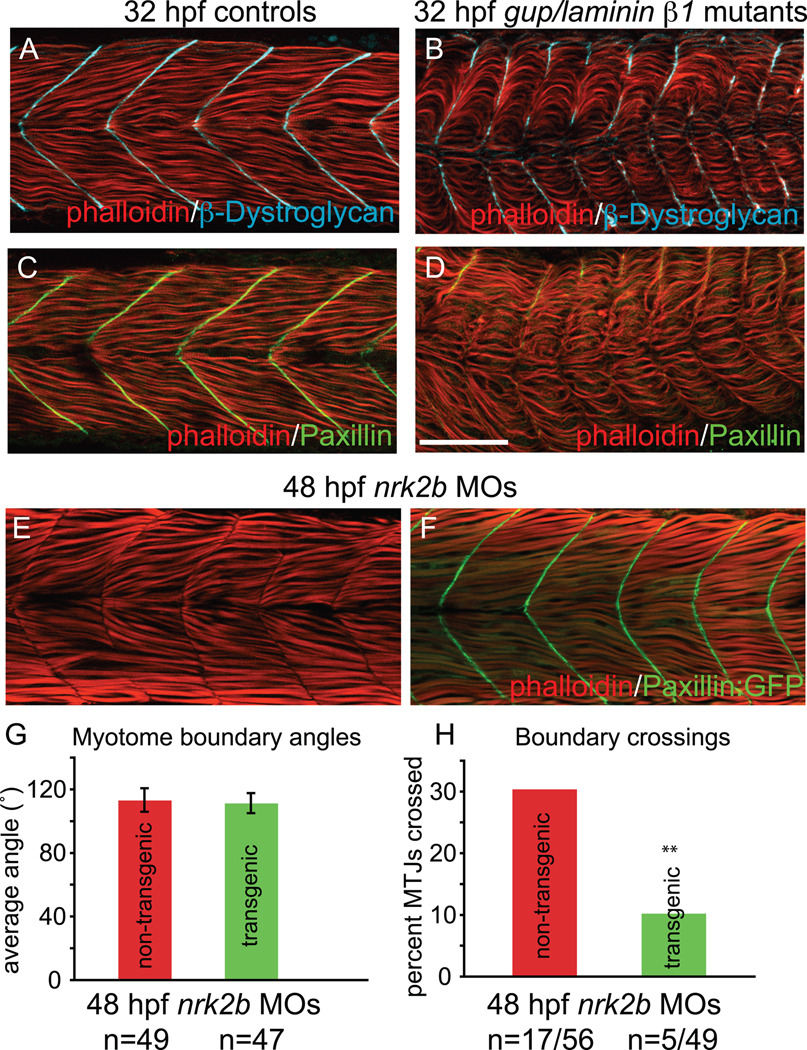
Cell-matrix adhesion complexes (CMACs) play fundamental roles during morphogenesis. Given the ubiquitous nature of CMACs and their roles in many cellular processes, one question is how specificity of CMAC function is modulated. The clearly defined cell behaviors that generate segmentally reiterated axial skeletal muscle during zebrafish development comprise an ideal system with which to investigate CMAC function during morphogenesis. We found that Nicotinamide riboside kinase 2b (Nrk2b) cell autonomously modulates the molecular composition of CMACs in vivo. Nrk2b is required for normal Laminin polymerization at the myotendinous junction (MTJ). In Nrk2b-deficient embryos, at MTJ loci where Laminin is not properly polymerized, muscle fibers elongate into adjacent myotomes and are abnormally long. In yeast and human cells, Nrk2 phosphorylates Nicotinamide Riboside and generates NAD+ through an alternative salvage pathway. Exogenous NAD+ treatment rescues MTJ development in Nrk2b-deficient embryos, but not in laminin mutant embryos. Both Nrk2b and Laminin are required for localization of Paxillin, but not beta-Dystroglycan, to CMACs at the MTJ. Overexpression of Paxillin in Nrk2b-deficient embryos is sufficient to rescue MTJ integrity. Taken together, these data show that Nrk2b plays a specific role in modulating subcellular localization of discrete CMAC components that in turn plays roles in musculoskeletal development. Furthermore, these data suggest that Nrk2b-mediated synthesis of NAD+ is functionally upstream of Laminin adhesion and Paxillin subcellular localization during MTJ development. These results indicate a previously unrecognized complexity to CMAC assembly in vivo and also elucidate a novel role for NAD+ during morphogenesis.
细胞基质黏附复合物(CMACs)在形态发生过程中发挥着基础性作用。鉴于 CMACs 的普遍存在及其在许多细胞过程中的作用,一个问题是 CMAC 功能的特异性如何被调节。斑马鱼发育过程中分段重复的轴性骨骼肌所产生的明确的细胞行为构成了一个理想的系统,可用于研究形态发生过程中的 CMAC 功能。我们发现烟酰胺核糖激酶 2b(Nrk2b)在体内自主调节 CMAC 的分子组成。Nrk2b 是肌-肌腱连接(MTJ)处层粘连蛋白聚合所必需的。在 Nrk2b 缺陷型胚胎中,在层粘连蛋白没有正确聚合的 MTJ 部位,肌纤维延伸到相邻的肌节中,并异常延长。在酵母和人类细胞中,Nrk2 磷酸化烟酰胺核糖并通过替代补救途径生成 NAD+。外源性 NAD+处理可挽救 Nrk2b 缺陷型胚胎中的 MTJ 发育,但不能挽救层粘连蛋白突变型胚胎。Nrk2b 和层粘连蛋白都需要定位到 Paxillin 到 MTJ 的 CMAC 中,但不需要定位到β-肌营养不良蛋白。在 Nrk2b 缺陷型胚胎中过表达 Paxillin 足以挽救 MTJ 完整性。总之,这些数据表明 Nrk2b 在调节特定的 CMAC 亚细胞定位中发挥特定作用,而这反过来又在肌肉骨骼发育中发挥作用。此外,这些数据表明,在 MTJ 发育过程中,Nrk2b 介导的 NAD+合成在层粘连蛋白黏附和 Paxillin 亚细胞定位的功能上游起作用。这些结果表明 CMAC 组装在体内具有以前未被认识到的复杂性,并且还阐明了 NAD+在形态发生过程中的新作用。