Hout Michael C, Goldinger Stephen D
Department of Psychology, Arizona State University, Tempe, Arizona, USA.
Atten Percept Psychophys. 2010 Jul;72(5):1267-82. doi: 10.3758/APP.72.5.1267.
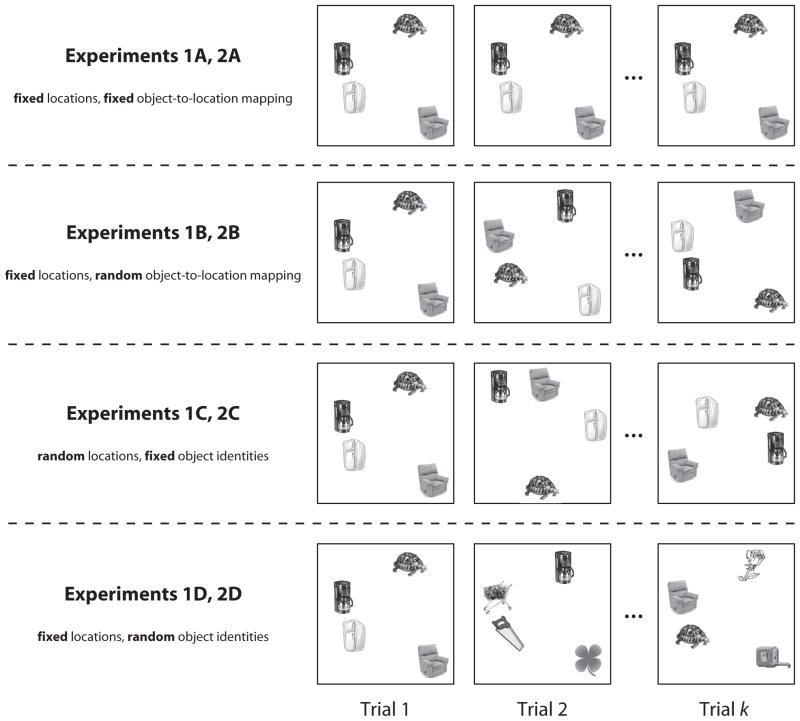
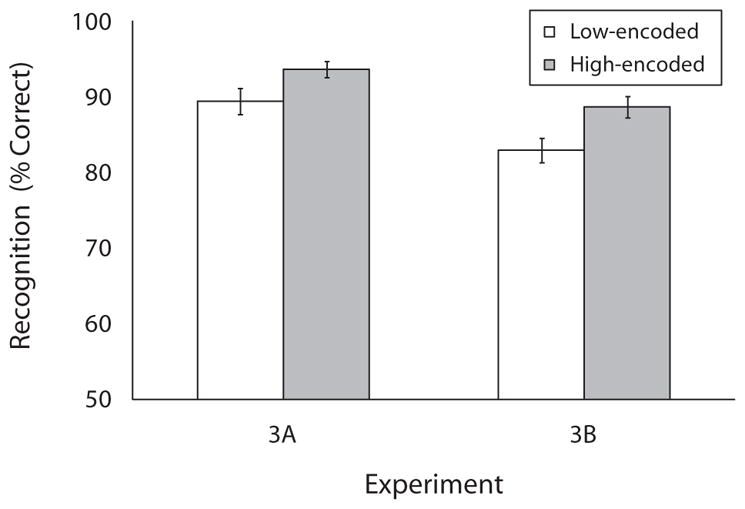
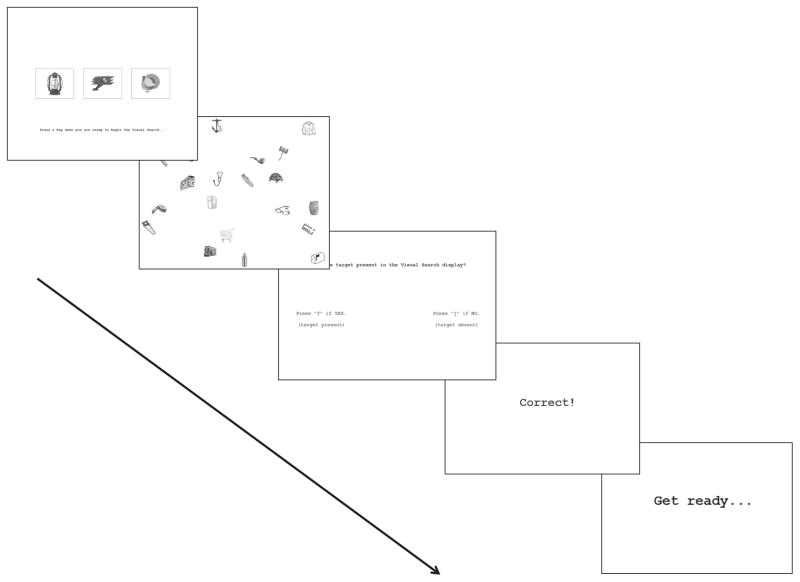
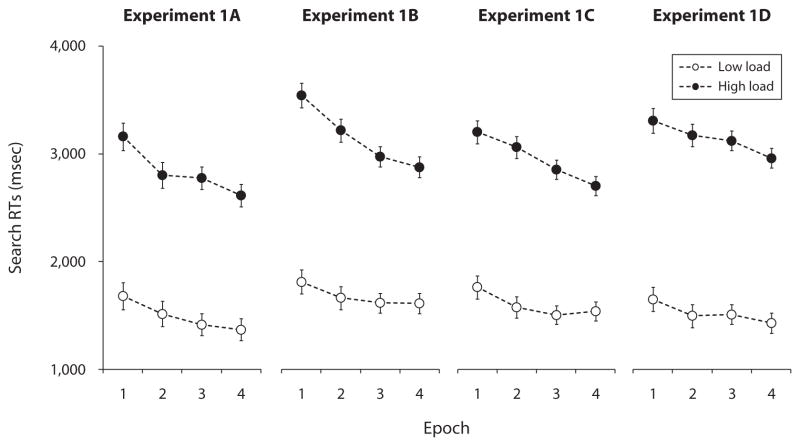
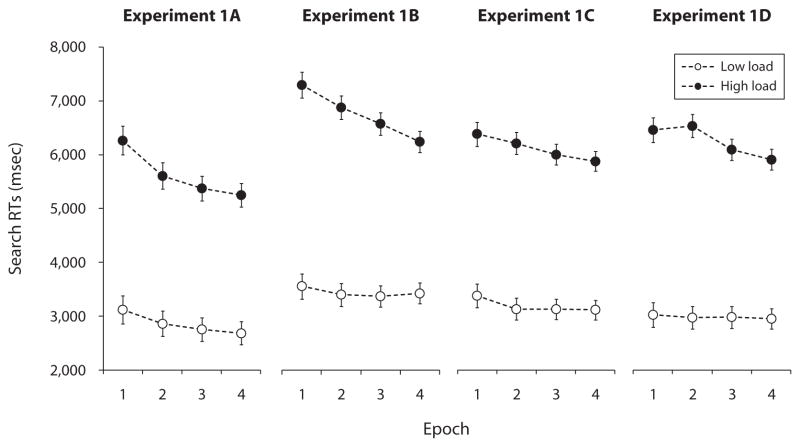
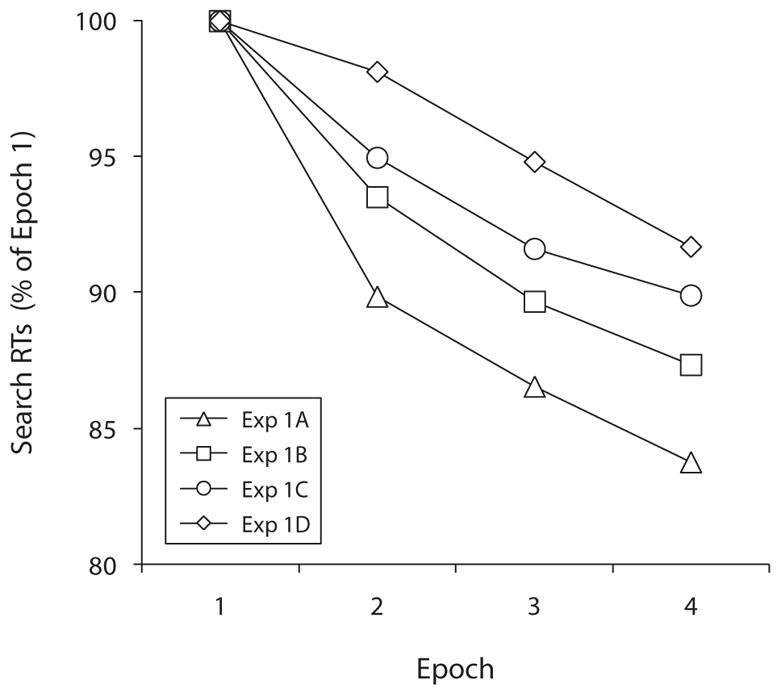
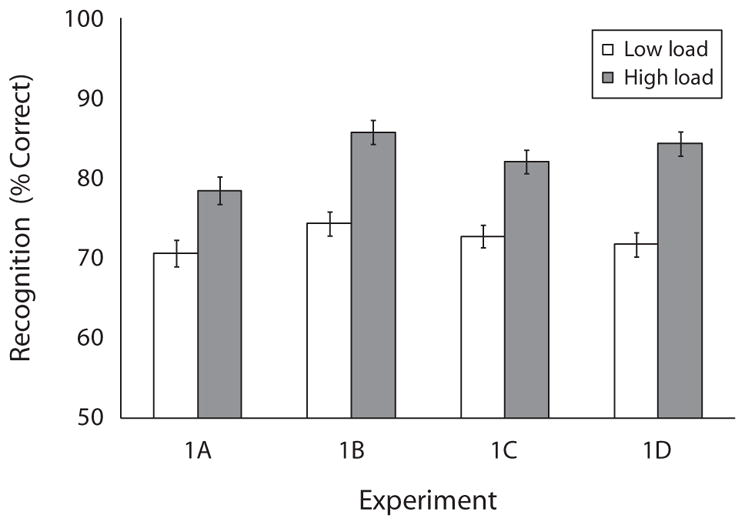
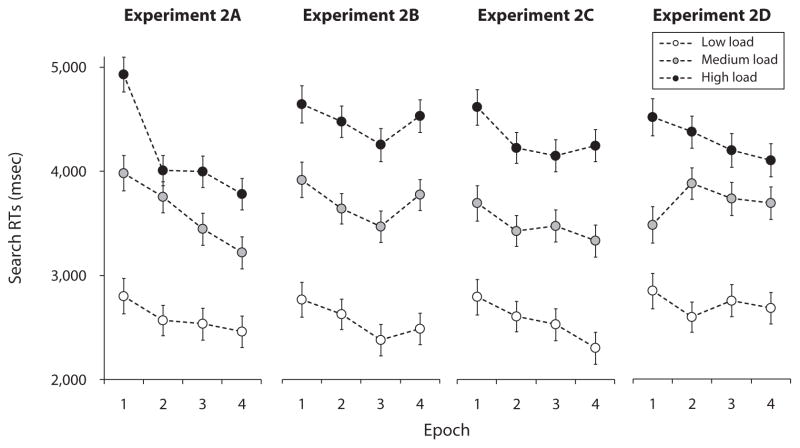
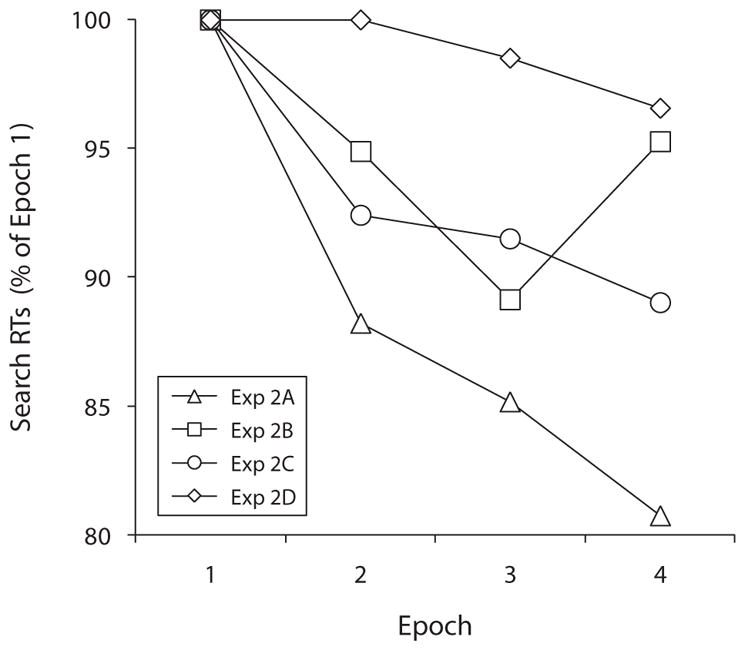
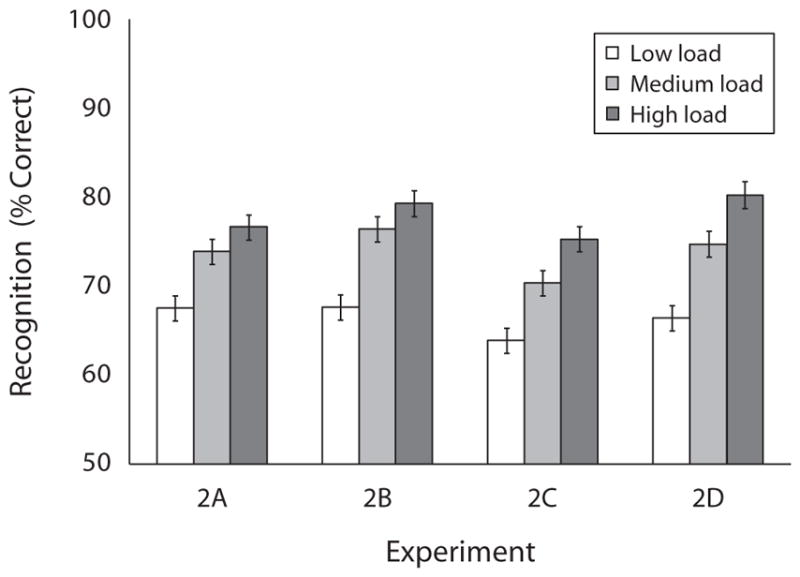
Visual search (e.g., finding a specific object in an array of other objects) is performed most effectively when people are able to ignore distracting nontargets. In repeated search, however, incidental learning of object identities may facilitate performance. In three experiments, with over 1,100 participants, we examined the extent to which search could be facilitated by object memory and by memory for spatial layouts. Participants searched for new targets (real-world, nameable objects) embedded among repeated distractors. To make the task more challenging, some participants performed search for multiple targets, increasing demands on visual working memory (WM). Following search, memory for search distractors was assessed using a surprise two-alternative forced choice recognition memory test with semantically matched foils. Search performance was facilitated by distractor object learning and by spatial memory; it was most robust when object identity was consistently tied to spatial locations and weakest (or absent) when object identities were inconsistent across trials. Incidental memory for distractors was better among participants who searched under high WM load, relative to low WM load. These results were observed when visual search included exhaustive-search trials (Experiment 1) or when all trials were self-terminating (Experiment 2). In Experiment 3, stimulus exposure was equated across WM load groups by presenting objects in a single-object stream; recognition accuracy was similar to that in Experiments 1 and 2. Together, the results suggest that people incidentally generate memory for nontarget objects encountered during search and that such memory can facilitate search performance.
当人们能够忽略干扰性的非目标物时,视觉搜索(例如,在一堆其他物体中找到一个特定物体)的执行效率最高。然而,在重复搜索中,对物体身份的偶然学习可能会提高搜索表现。在三项实验中,我们对超过1100名参与者进行了研究,考察了物体记忆和空间布局记忆在多大程度上能够促进搜索。参与者要在重复出现的干扰物中搜索新的目标(现实世界中可命名的物体)。为了增加任务难度,一些参与者要搜索多个目标,这增加了对视觉工作记忆(WM)的要求。搜索结束后,通过一个带有语义匹配陪衬物的意外二选一强制选择识别记忆测试,来评估对搜索干扰物的记忆。干扰物物体学习和空间记忆促进了搜索表现;当物体身份始终与空间位置相关联时,这种促进作用最为显著,而当物体身份在各次试验中不一致时,促进作用最弱(或不存在)。相对于低WM负荷,在高WM负荷下进行搜索的参与者对干扰物的偶然记忆更好。当视觉搜索包括穷举搜索试验(实验1)或所有试验都是自我终止的(实验2)时,都观察到了这些结果。在实验3中,通过以单物体流的形式呈现物体,使各WM负荷组的刺激暴露量相等;识别准确率与实验1和实验2相似。总之,结果表明人们会偶然地对搜索过程中遇到的非目标物体产生记忆,并且这种记忆可以促进搜索表现。