Institut Cavanilles de Biodiversitat i Biologia Evolutiva, Universitat de València, Spain.
BMC Genomics. 2010 Jul 22;11:449. doi: 10.1186/1471-2164-11-449.
Genome reduction is a common evolutionary process in symbiotic and pathogenic bacteria. This process has been extensively characterized in bacterial endosymbionts of insects, where primary mutualistic bacteria represent the most extreme cases of genome reduction consequence of a massive process of gene inactivation and loss during their evolution from free-living ancestors. Sodalis glossinidius, the secondary endosymbiont of tsetse flies, contains one of the few complete genomes of bacteria at the very beginning of the symbiotic association, allowing to evaluate the relative impact of mobile genetic element proliferation and gene inactivation over the structure and functional capabilities of this bacterial endosymbiont during the transition to a host dependent lifestyle.
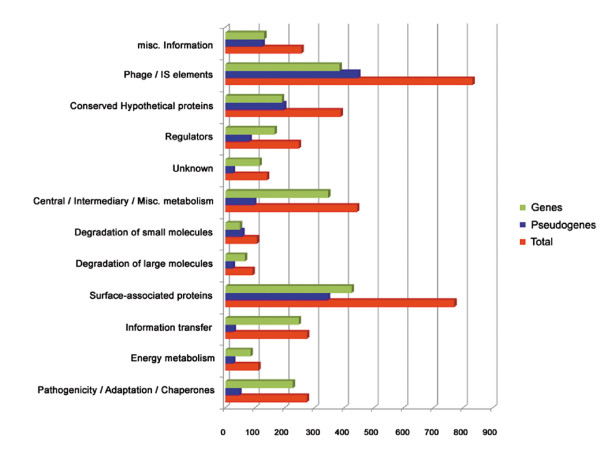
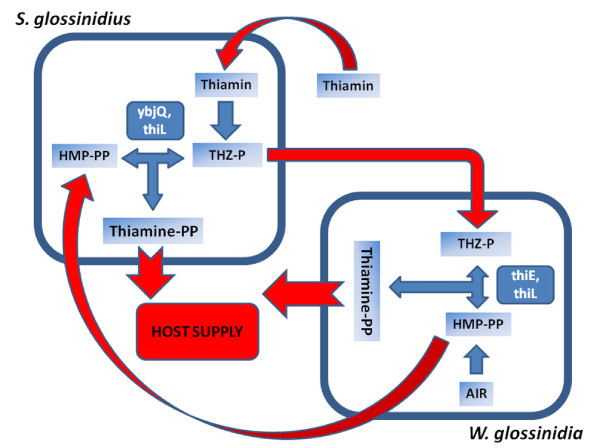
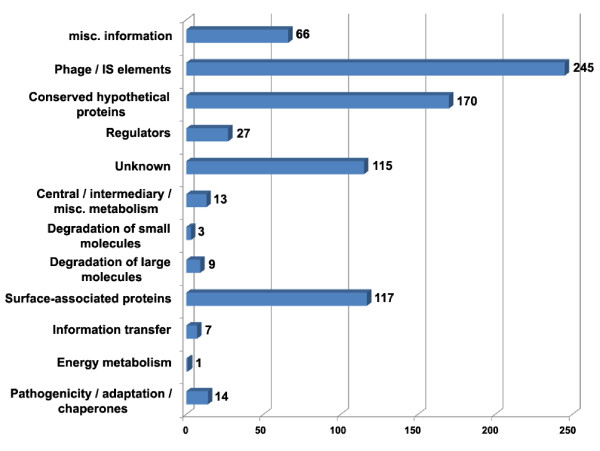
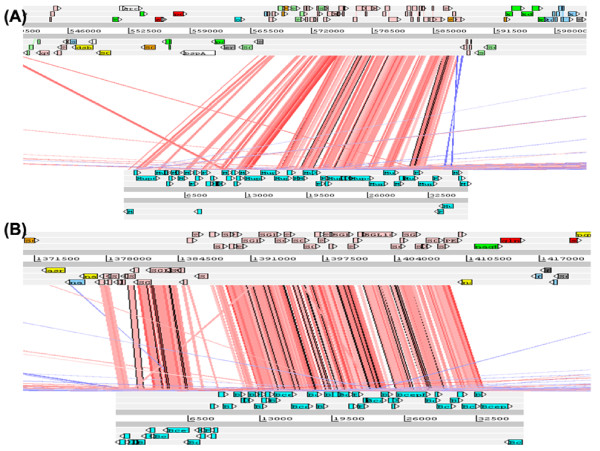
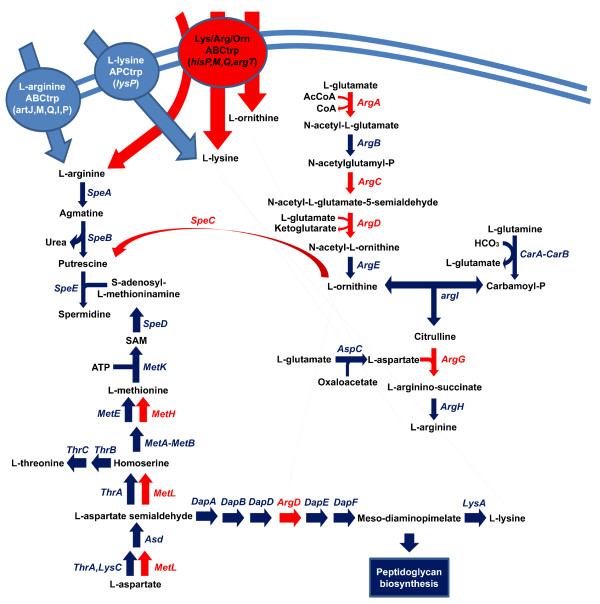
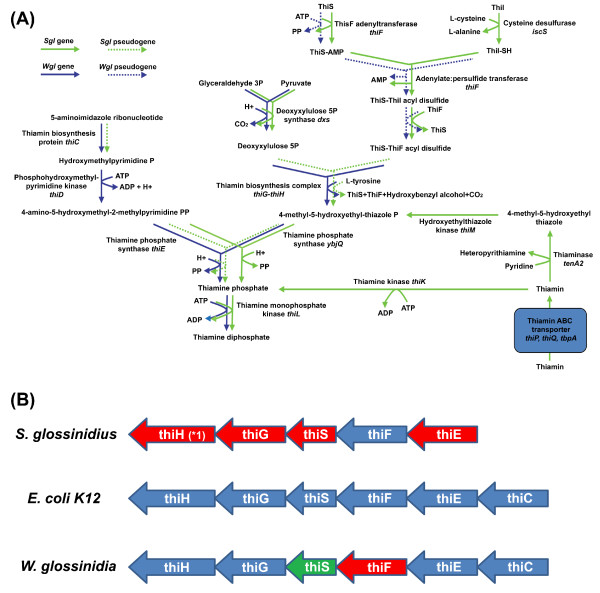
A detailed characterization of mobile genetic elements and pseudogenes reveals a massive presence of different types of prophage elements together with five different families of IS elements that have proliferated across the genome of Sodalis glossinidius at different levels. In addition, a detailed survey of intergenic regions allowed the characterization of 1501 pseudogenes, a much higher number than the 972 pseudogenes described in the original annotation. Pseudogene structure reveals a minor impact of mobile genetic element proliferation in the process of gene inactivation, with most of pseudogenes originated by multiple frameshift mutations and premature stop codons. The comparison of metabolic profiles of Sodalis glossinidius and tsetse fly primary endosymbiont Wiglesworthia glossinidia based on their whole gene and pseudogene repertoires revealed a novel case of pathway inactivation, the arginine biosynthesis, in Sodalis glossinidius together with a possible case of metabolic complementation with Wigglesworthia glossinidia for thiamine biosynthesis.
The complete re-analysis of the genome sequence of Sodalis glossinidius reveals novel insights in the evolutionary transition from a free-living ancestor to a host-dependent lifestyle, with a massive proliferation of mobile genetic elements mainly of phage origin although with minor impact in the process of gene inactivation that is taking place in this bacterial genome. The metabolic analysis of the whole endosymbiotic consortia of tsetse flies have revealed a possible phenomenon of metabolic complementation between primary and secondary endosymbionts that can contribute to explain the co-existence of both bacterial endosymbionts in the context of the tsetse host.
基因组缩减是共生和致病细菌中常见的进化过程。在昆虫的细菌内共生体中,对这一过程进行了广泛的研究,其中最初的共生细菌代表了由于从自由生活的祖先进化过程中大量基因失活和丢失而导致基因组缩减的最极端情况。舌蝇的次要内共生菌 S. glossinidius 拥有细菌共生体中极少数完整基因组之一,这使得我们能够评估在向宿主依赖的生活方式过渡过程中,移动遗传元件的增殖和基因失活对这种细菌内共生体的结构和功能能力的相对影响。
对移动遗传元件和假基因的详细特征表明,大量不同类型的噬菌体元件与五种不同家族的 IS 元件一起存在,这些元件在 S. glossinidius 基因组中以不同水平增殖。此外,对基因间区的详细调查允许对 1501 个假基因进行了特征描述,这一数字远高于原始注释中描述的 972 个假基因。假基因结构揭示了移动遗传元件增殖对基因失活过程的影响较小,大多数假基因起源于多个移码突变和过早的终止密码子。基于整个基因和假基因库,对 S. glossinidius 和舌蝇初级内共生体 W. glossinidia 的代谢谱进行比较,发现了 S. glossinidius 中途径失活的新情况,即精氨酸生物合成,以及与 W. glossinidia 可能存在代谢互补的情况,用于硫胺素生物合成。
对 S. glossinidius 基因组序列的完整重新分析揭示了从自由生活的祖先向宿主依赖的生活方式进化的新见解,主要是噬菌体起源的移动遗传元件的大量增殖,尽管在这个细菌基因组中发生的基因失活过程中影响较小。对舌蝇整个共生体的代谢分析揭示了初级和次级内共生体之间可能存在代谢互补的现象,这有助于解释在舌蝇宿主的背景下两种细菌内共生体的共存。