Grand Valley State University, Allendale, Michigan 49401, USA.
Emerg Infect Dis. 2010 Aug;16(8):1273-8. doi: 10.3201/eid1608.100288.
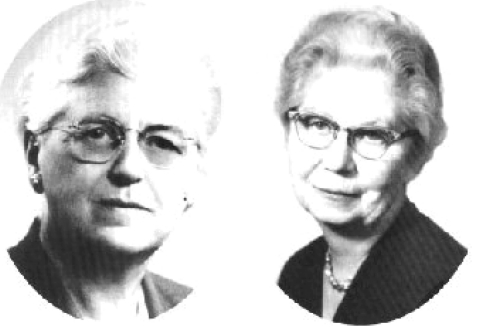
In light of the reemergence of pertussis (whooping cough), the pioneering research of Pearl Kendrick and Grace Eldering is worth revisiting. In the 1930s, working in the Michigan Department of Health laboratory in Grand Rapids, Michigan, USA, they began researching a pertussis vaccine. Their research offers an instructive case study of the creative public health research performed in state health department laboratories during the interwar years. State department of health laboratory directors actively promoted research by supporting advanced education; making facilities and funding available for individual projects; and, when possible, procuring new facilities. Using Michigan Department of Health resources and local and federal funding, Kendrick and Eldering developed standardized diagnostic tools; modified and improved extant vaccines; conducted the first successful, large-scale, controlled clinical trial of pertussis vaccine; and participated in international efforts to standardize and disseminate the vaccine. Their model may again offer a promising avenue for groundbreaking research.
鉴于百日咳(百日咳)的重新出现,Pearl Kendrick 和 Grace Eldering 的开创性研究值得重新审视。20 世纪 30 年代,她们在美国密歇根州大急流城的密歇根州卫生部实验室开始研究百日咳疫苗。她们的研究为我们提供了一个有启发性的案例研究,说明了在两次世界大战期间,州立卫生部门实验室进行的创造性公共卫生研究。州立卫生部门实验室主任通过以下方式积极推动研究:支持高等教育;为个人项目提供设施和资金;在可能的情况下购置新设施。Kendrick 和 Eldering 利用密歇根州卫生部的资源和当地及联邦资金,开发了标准化的诊断工具;改进和完善了现有的疫苗;进行了首次成功的、大规模的、对照临床试验;并参与了标准化和推广疫苗的国际努力。她们的模式可能再次为开创性研究提供了一个有希望的途径。