Shoklo Malaria Research Unit, Mae Sot, Thailand.
Emerg Infect Dis. 2010 Sep;16(9):1366-72. doi: 10.3201/eid1609.100220.
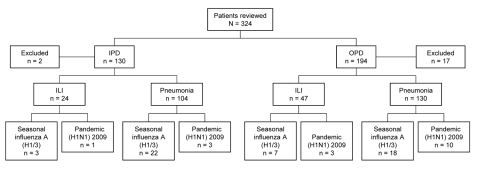
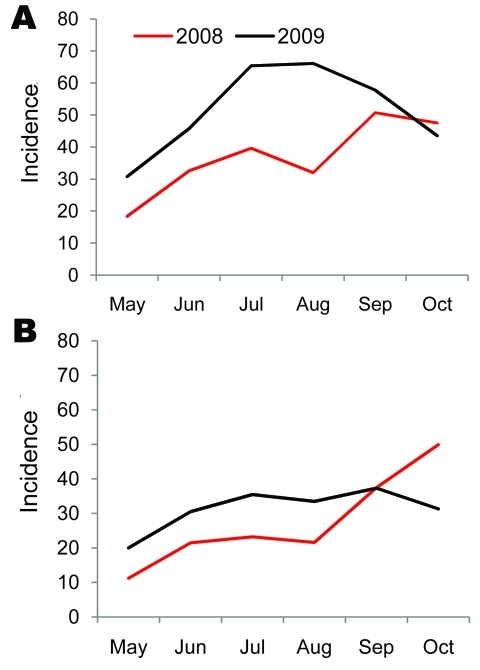
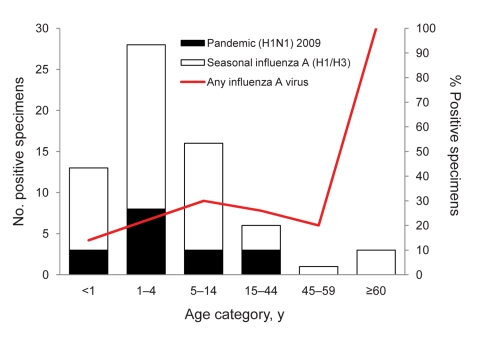
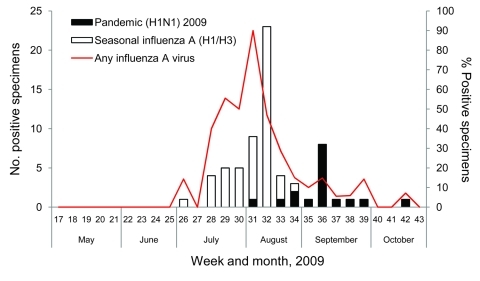
We describe the epidemiology of influenza virus infections in refugees in a camp in rural Southeast Asia during May-October 2009, the first 6 months after identification of pandemic (H1N1) 2009 in Thailand. Influenza A viruses were detected in 20% of patients who had influenza-like illness and in 23% of those who had clinical pneumonia. Seasonal influenza A (H1N1) was the predominant virus circulating during weeks 26-33 (June 25-August 29) and was subsequently replaced by the pandemic strain. A review of passive surveillance for acute respiratory infection did not show an increase in acute respiratory tract infection incidence associated with the arrival of pandemic (H1N1) 2009 in the camp.
我们描述了 2009 年 5 月至 10 月期间东南亚农村难民营中流感病毒感染的流行病学情况,这是在泰国发现 2009 年大流行性(H1N1)流感病毒后的头 6 个月。在有流感样疾病的患者中,有 20%检测到流感病毒,在有临床肺炎的患者中,有 23%检测到流感病毒。在第 26-33 周(6 月 25 日至 8 月 29 日)期间,季节性流感 A(H1N1)是主要流行的病毒,随后被大流行株取代。对急性呼吸道感染的被动监测审查并未显示与难民营中出现大流行性(H1N1)2009 相关的急性呼吸道感染发病率增加。