Bioinformatics center, Northwest A&F University, Yangling, Shaanxi 712100, China.
BMC Evol Biol. 2010 Sep 30;10:298. doi: 10.1186/1471-2148-10-298.
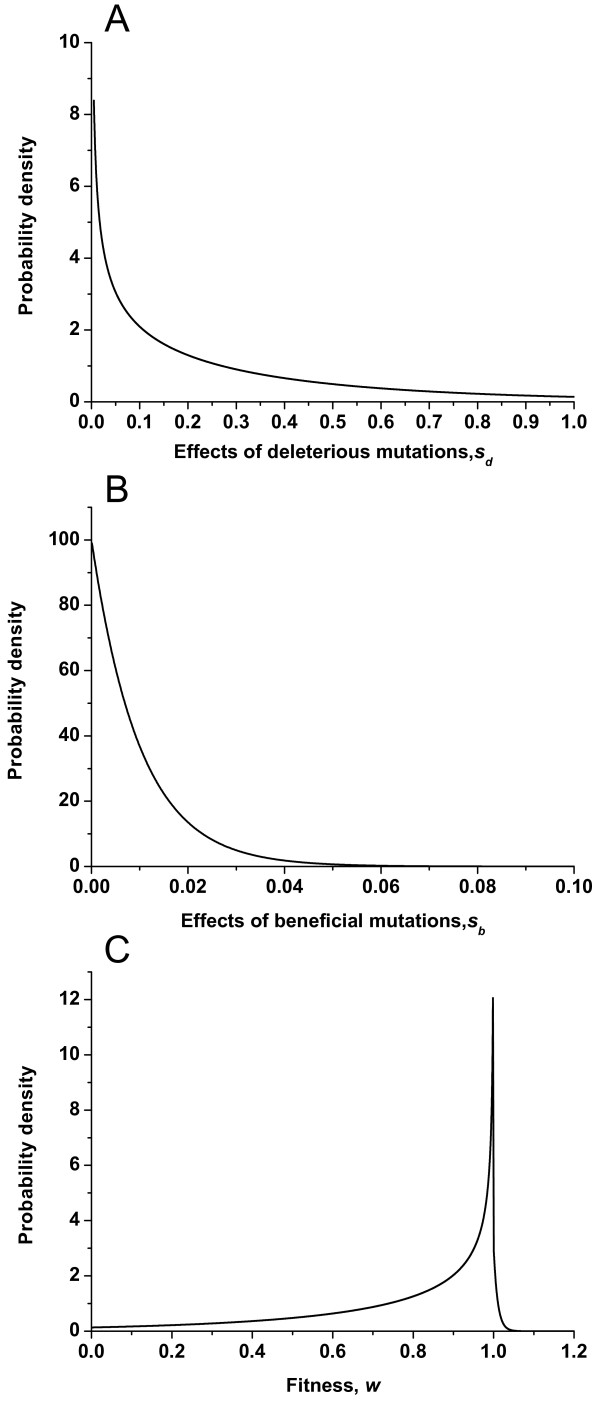
In any natural population, mutation is the primary source of genetic variation required for evolutionary novelty and adaptation. Nevertheless, most mutations, especially those with phenotypic effects, are harmful and are consequently removed by natural selection. For this reason, under natural selection, an organism will evolve to a lower mutation rate. Overall, the action of natural selection on mutation rate is related to population size and mutation effects. Although theoretical work has intensively investigated the relationship between natural selection and mutation rate, most of these studies have focused on individual competition within a population, rather than on competition among populations. The aim of the present study was to use computer simulations to investigate how natural selection adjusts mutation rate among asexually reproducing subpopulations with different mutation rates.
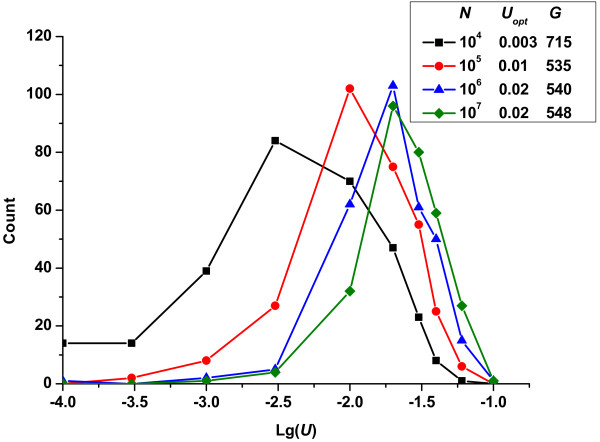
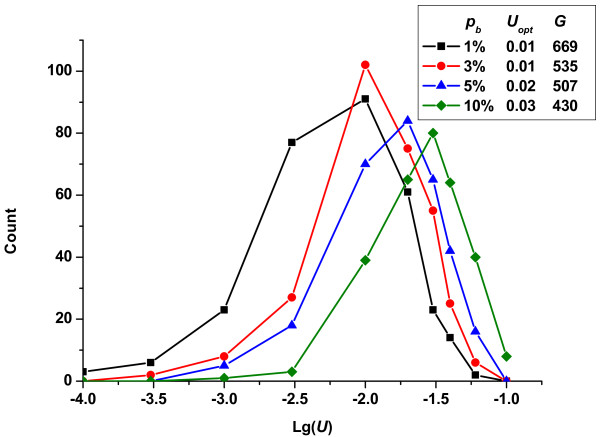
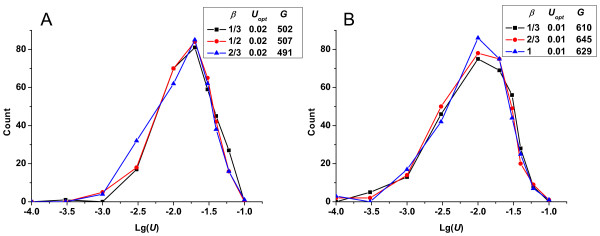
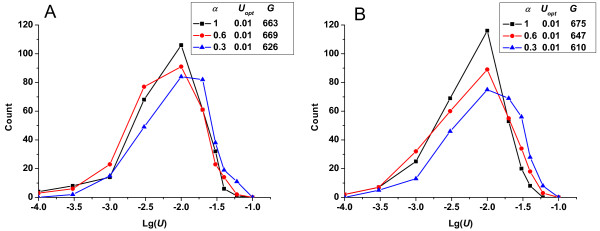
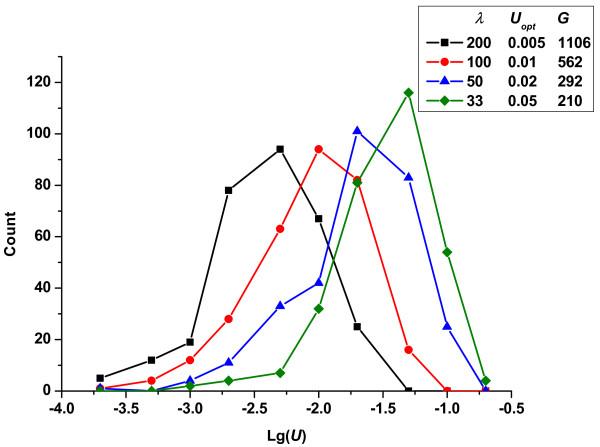
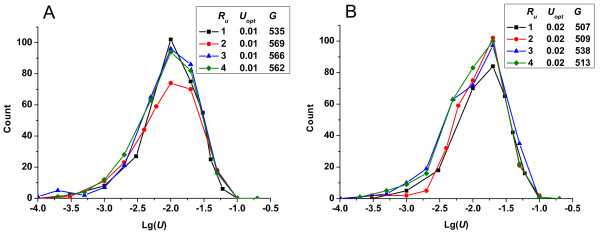
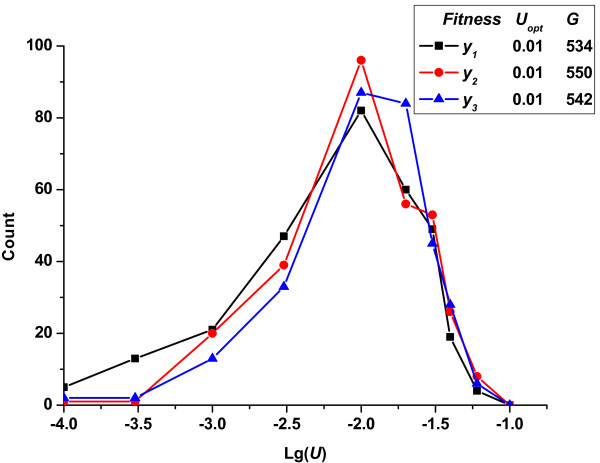
The competition results for the different subpopulations showed that a population could evolve to an "optimum" mutation rate during long-term evolution, and that this rate was modulated by both population size and mutation effects. A larger population could evolve to a higher optimum mutation rate than could a smaller population. The optimum mutation rate depended on both the fraction and the effects of beneficial mutations, rather than on the effects of deleterious ones. The optimum mutation rate increased with either the fraction or the effects of beneficial mutations. When strongly favored mutations appeared, the optimum mutation rate was elevated to a much higher level. The competition time among the subpopulations also substantially shortened.
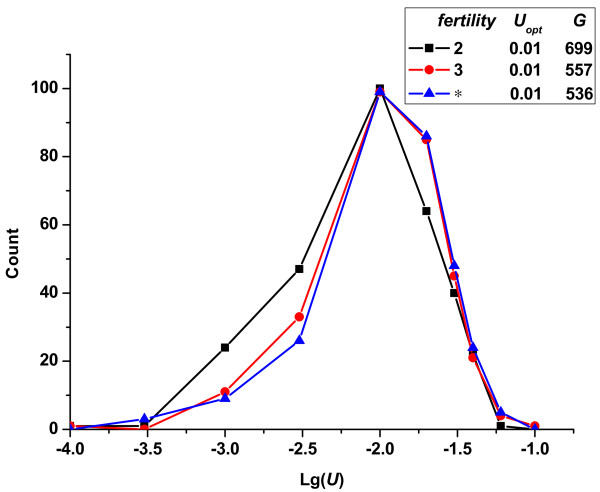
Competition at the population level revealed that the evolution of the mutation rate in asexual populations was determined by both population size and mutation effects. The most striking finding was that beneficial mutations, rather than deleterious mutations, were the leading force that modulated the optimum mutation rate. The initial configuration of the population appeared to have no effect on these conclusions, confirming the robustness of the simulation method developed in the present study. These findings might further explain the lower mutation rates observed in most asexual organisms, as well as the higher mutation rates in some viruses.
在任何自然种群中,突变是进化新颖性和适应性所需遗传变异的主要来源。然而,大多数突变,尤其是那些具有表型效应的突变,都是有害的,因此会被自然选择所消除。出于这个原因,在自然选择下,生物体将进化到更低的突变率。总的来说,自然选择对突变率的作用与种群大小和突变效应有关。尽管理论工作已经深入研究了自然选择和突变率之间的关系,但这些研究大多集中在种群内的个体竞争上,而不是种群之间的竞争。本研究的目的是使用计算机模拟来研究具有不同突变率的无性繁殖亚种群之间,自然选择如何调整突变率。
不同亚种群的竞争结果表明,一个种群在长期进化过程中可以进化到一个“最佳”突变率,这个速率由种群大小和突变效应共同调节。较大的种群比较小的种群能够进化到更高的最佳突变率。最佳突变率既取决于有利突变的比例,也取决于有利突变的效应,而不是有害突变的效应。最佳突变率随着有利突变的比例或效应的增加而增加。当出现强烈有利的突变时,最佳突变率会升高到一个更高的水平。亚种群之间的竞争时间也大大缩短。
种群水平的竞争表明,无性种群中突变率的进化取决于种群大小和突变效应。最引人注目的发现是,有利突变而不是有害突变是调节最佳突变率的主导力量。种群的初始配置似乎对这些结论没有影响,证实了本研究中开发的模拟方法的稳健性。这些发现可能进一步解释了为什么大多数无性生物的突变率较低,以及某些病毒的突变率较高。