Mazigo Humphrey D, Okumu Fredros O, Kweka Eliningaya J, Mnyone Ladslaus L
Department of Medical Parasitology and Entomology, Weill-Bugando University of Health Sciences, P.O. Box 1464, Mwanza, Tanzania.
J Glob Infect Dis. 2010 Sep;2(3):216-20. doi: 10.4103/0974-777X.68530.
The aim of this study was to determine the incidence of humans being bitten by rabies-suspected animals, and the victims' adherence to post-exposure prophylaxis (PEP) regimen.
A retrospective analysis of data of victims treated at Bugando Medical Centre during the period 2002-2006 (n=5 years) was done.
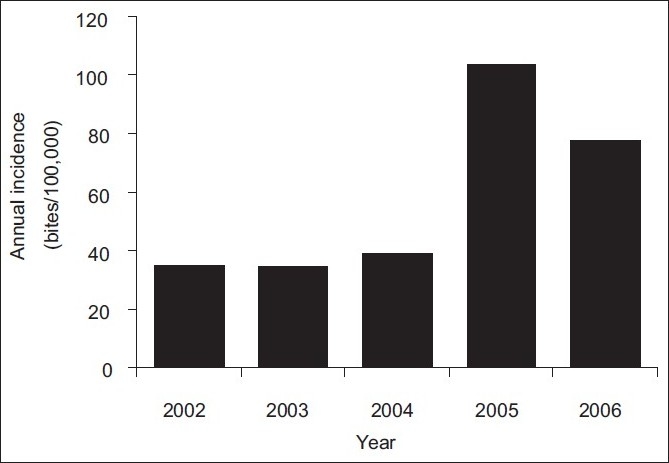
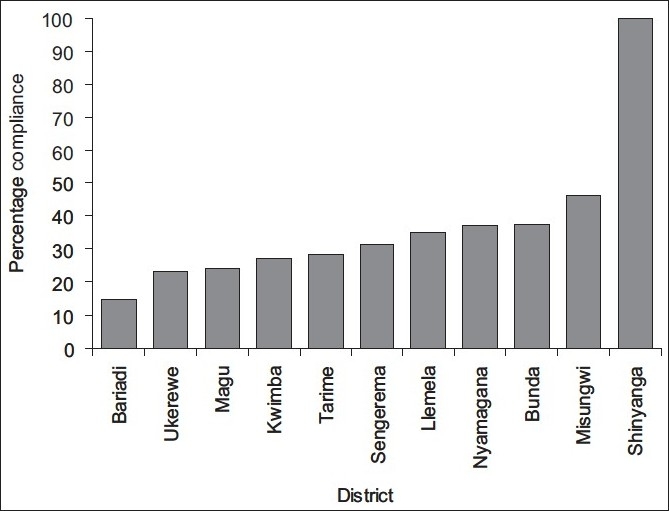
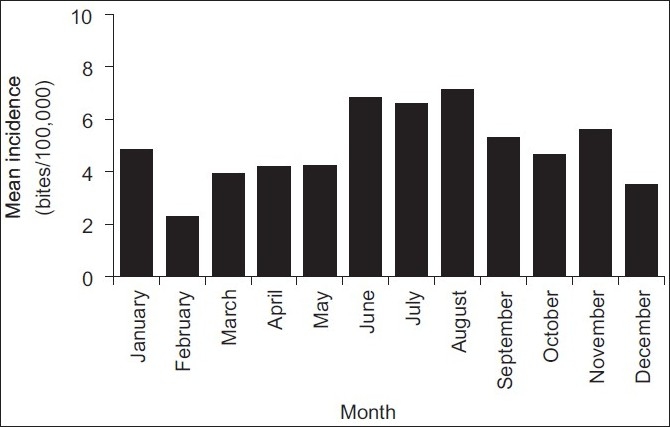
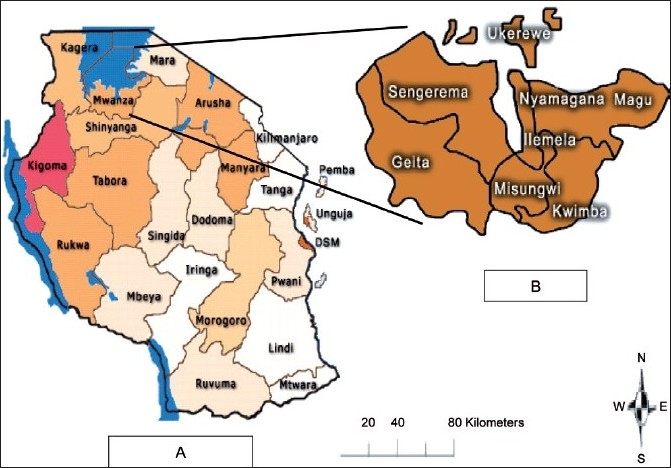
A total of 767 bite injuries inflicted by rabies-suspected animals were reported, giving a mean annual incidence of ~58 cases per 100,000 (52.5% males, 47.5% females). The proportion of children bitten was relatively higher than that of adults. All victims were treated by using inactivated diploid-cell rabies vaccine and were recommended to appear for the second and third doses. However, only 28% of the victims completed the vaccination regime. Domestic dogs were involved in 95.44% of the human bite cases, whereas cats (3.9%), spotted hyena (Crocuta crocuta) (0.03%), vervet monkey (Cercopithecur aethiops) (0.01%) and black-backed jackal (0.01%) played a minor role. The majority of rabies-suspected case reports were from Nyamagana district and occurred most frequently from June to October each year.
In conclusion, this study revealed that incidences of humans being bitten by dogs suspected of rabies are common in Tanzania, involve mostly children, and victims do not comply with the prophylactic regimen. Rigorous surveillance to determine the status of rabies and the risk factors for human rabies, as well as formulation and institution of appropriate rabies-control policies, is required.
本研究旨在确定疑似感染狂犬病动物致人类咬伤的发生率,以及受害者对暴露后预防(PEP)方案的依从性。
对2002 - 2006年期间(n = 5年)在布甘多医疗中心接受治疗的受害者数据进行回顾性分析。
共报告了767例疑似感染狂犬病动物造成的咬伤,平均年发病率约为每10万人58例(男性占52.5%,女性占47.5%)。儿童被咬的比例相对高于成人。所有受害者均接受了人用狂犬病纯化疫苗治疗,并被建议接种第二剂和第三剂。然而,只有28%的受害者完成了疫苗接种方案。95.44%的人类咬伤病例涉及家犬,而猫(3.9%)、斑鬣狗(斑鬣狗属)(0.03%)、绿猴(猕猴属埃塞俄比亚种)(0.01%)和黑背胡狼(0.01%)所起作用较小。大多数疑似狂犬病病例报告来自尼亚马加纳区,且每年6月至10月最为频繁。
总之,本研究表明,在坦桑尼亚,疑似感染狂犬病的狗致人类咬伤的情况很常见,主要涉及儿童,且受害者未遵守预防方案。需要进行严格监测以确定狂犬病状况和人类狂犬病的危险因素,并制定和实施适当的狂犬病控制政策。