Department of Bioengineering, University of California, San Diego, La Jolla, California, USA.
Nat Biotechnol. 2010 Dec;28(12):1279-85. doi: 10.1038/nbt.1711. Epub 2010 Nov 21.
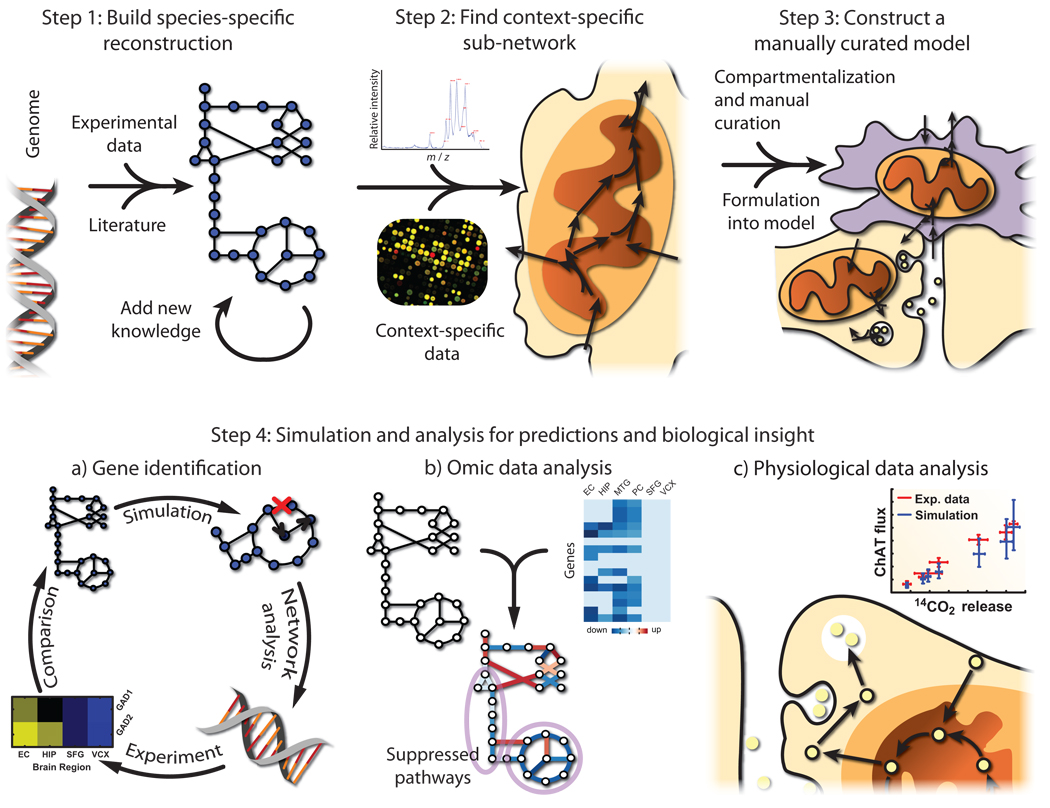
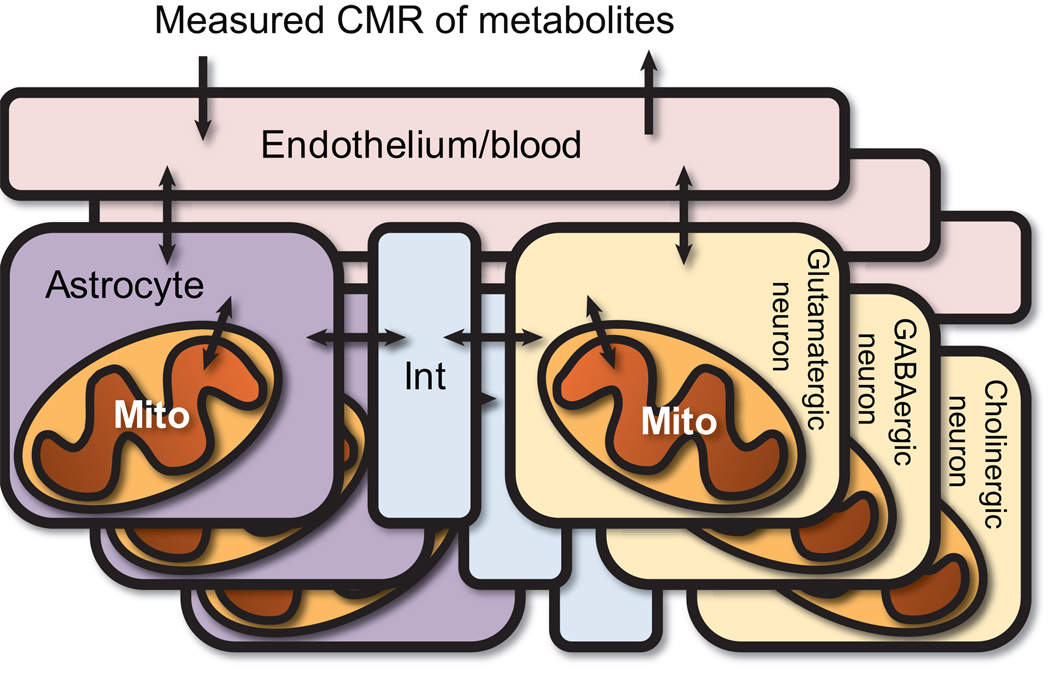
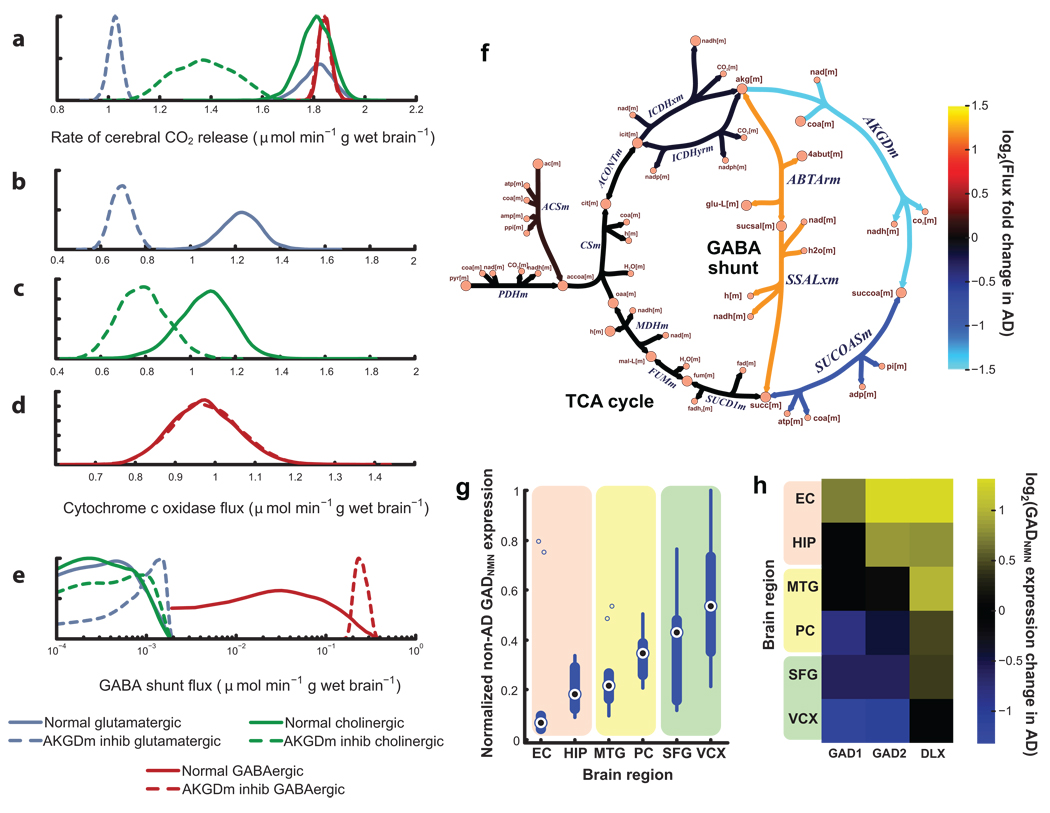
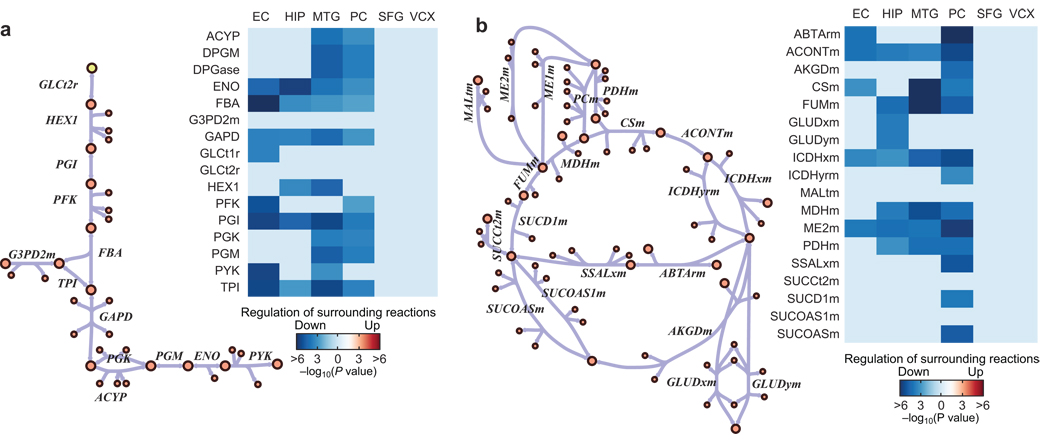
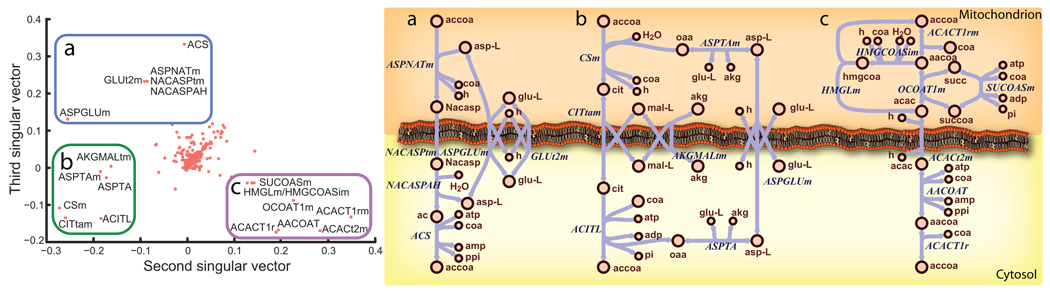
Metabolic interactions between multiple cell types are difficult to model using existing approaches. Here we present a workflow that integrates gene expression data, proteomics data and literature-based manual curation to model human metabolism within and between different types of cells. Transport reactions are used to account for the transfer of metabolites between models of different cell types via the interstitial fluid. We apply the method to create models of brain energy metabolism that recapitulate metabolic interactions between astrocytes and various neuron types relevant to Alzheimer's disease. Analysis of the models identifies genes and pathways that may explain observed experimental phenomena, including the differential effects of the disease on cell types and regions of the brain. Constraint-based modeling can thus contribute to the study and analysis of multicellular metabolic processes in the human tissue microenvironment and provide detailed mechanistic insight into high-throughput data analysis.
使用现有的方法很难对多种细胞类型之间的代谢相互作用进行建模。在这里,我们提出了一种工作流程,该流程将基因表达数据、蛋白质组学数据和基于文献的人工整理相结合,以在不同类型的细胞内和细胞之间对人体代谢进行建模。通过使用转运反应来解释不同细胞类型模型之间通过细胞间隙的代谢物的转移。我们应用该方法来创建大脑能量代谢模型,该模型再现了与阿尔茨海默病相关的星形胶质细胞和各种神经元类型之间的代谢相互作用。对这些模型的分析确定了可能解释观察到的实验现象的基因和途径,包括该疾病对细胞类型和大脑区域的不同影响。因此,基于约束的建模可以促进对人类组织微环境中多细胞代谢过程的研究和分析,并为高通量数据分析提供详细的机制见解。