Department of Oral Biology, University at Buffalo, SUNY, Buffalo, New York, USA.
Mucosal Immunol. 2011 Jul;4(4):448-55. doi: 10.1038/mi.2011.5. Epub 2011 Feb 23.
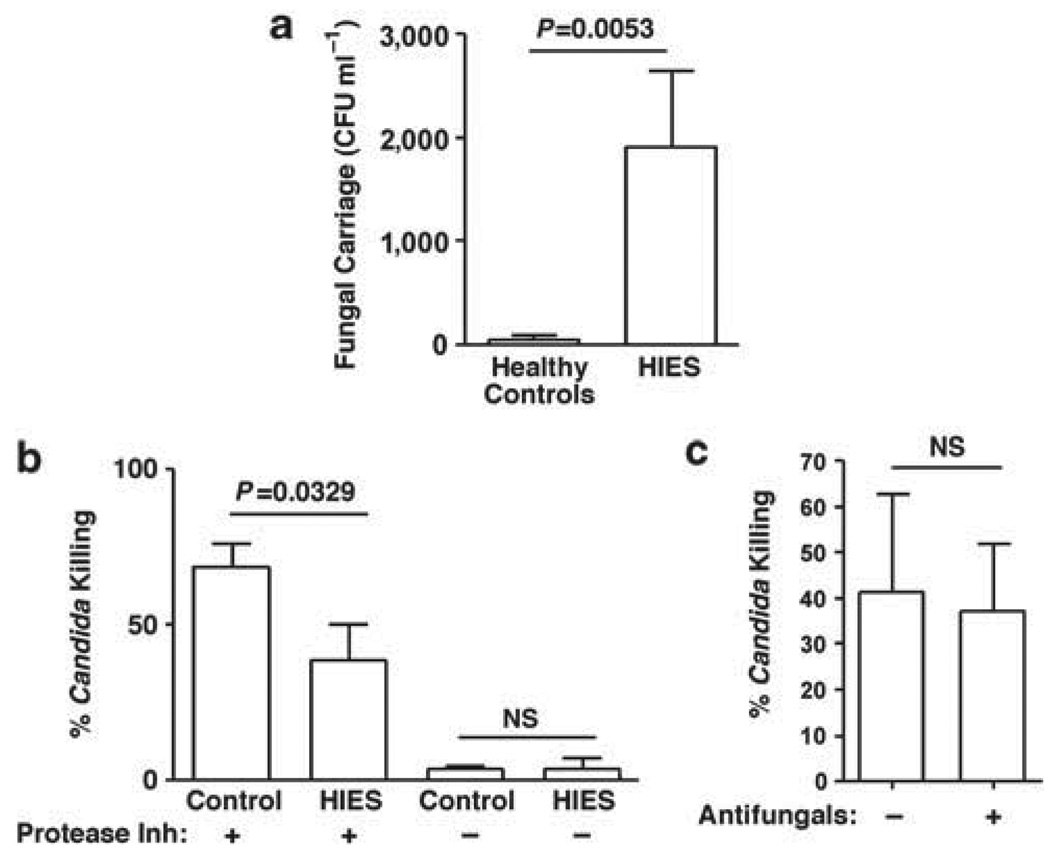
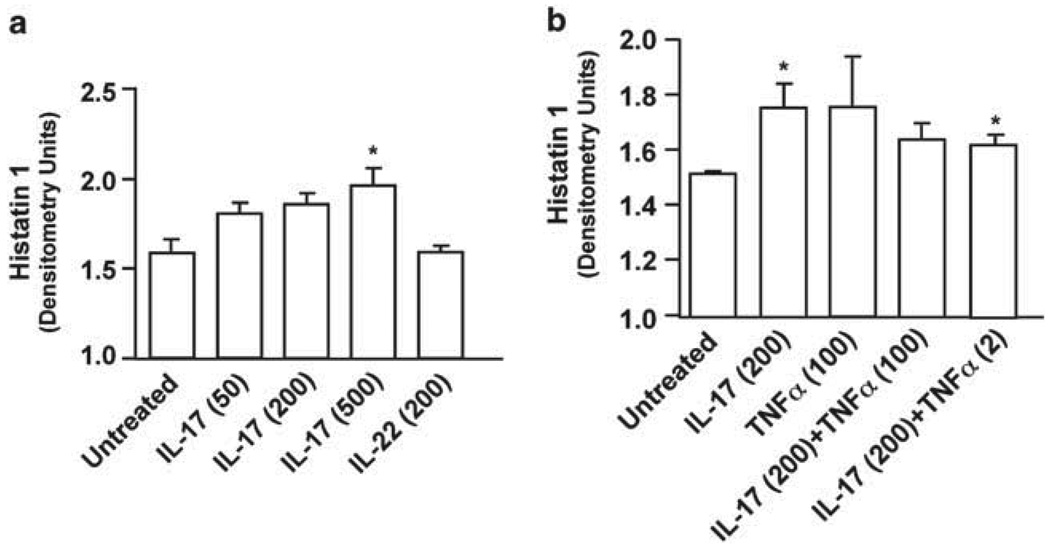
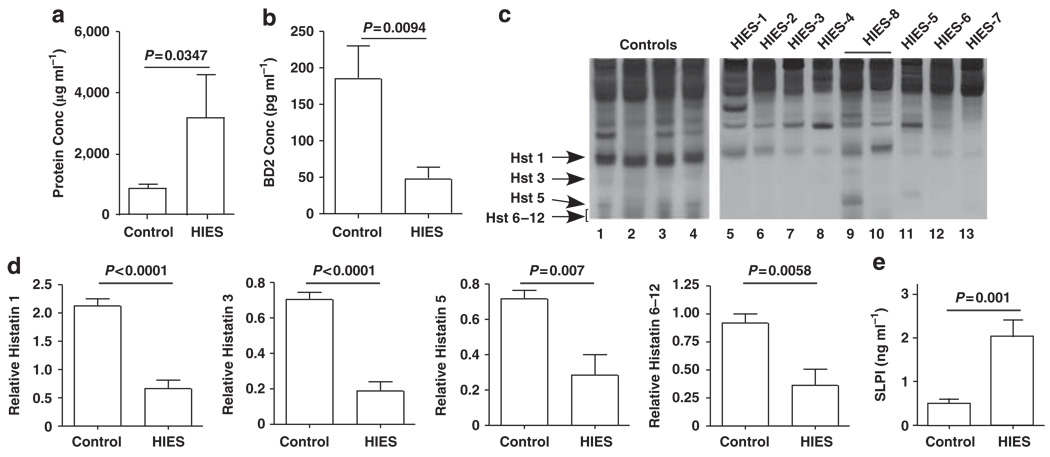
Oropharyngeal candidiasis (OPC, thrush) is an opportunistic infection caused by the commensal fungus Candida albicans. An understanding of immunity to Candida has recently begun to unfold with the identification of fungal pattern-recognition receptors such as C-type lectin receptors, which trigger protective T-helper (Th)17 responses in the mucosa. Hyper-IgE syndrome (HIES/Job's syndrome) is a rare congenital immunodeficiency characterized by dominant-negative mutations in signal transducer and activator of transcription 3, which is downstream of the Th17-inductive cytokines interleukin (IL)-6 and IL-23, and hence patients with HIES exhibit dramatic Th17 deficits. HIES patients develop oral and mucocutaneous candidiasis, supporting a protective role for Th17 cells in immunity to OPC. However, the Th17-dependent mechanisms of antifungal immunity in OPC are still poorly defined. An often unappreciated aspect of oral immunity is saliva, which is rich in antimicrobial proteins (AMPs) and exerts direct antifungal activity. In this study, we show that HIES patients show significant impairment in salivary AMPs, including β-defensin 2 and Histatins. This tightly correlates with reduced candidacidal activity of saliva and concomitantly elevated colonization with Candida. Moreover, IL-17 induces histatins in cultured salivary gland cells. This is the first demonstration that HIES is associated with defective salivary activity, and provides a mechanism for the severe susceptibility of these patients to OPC.
口咽念珠菌病(OPC,鹅口疮)是一种由条件致病真菌白念珠菌引起的机会性感染。近年来,随着识别真菌模式识别受体(如 C 型凝集素受体)的出现,人们对念珠菌免疫有了初步的了解,这些受体在黏膜中触发保护性辅助性 T 细胞(Th)17 反应。高免疫球蛋白 E 综合征(HIES/Job 综合征)是一种罕见的先天性免疫缺陷病,其特征是转录激活因子 3 的信号转导的显性负突变,该因子位于 Th17 诱导细胞因子白细胞介素(IL)-6 和 IL-23 的下游,因此 HIES 患者表现出明显的 Th17 缺陷。HIES 患者会出现口腔和黏膜念珠菌病,这支持 Th17 细胞在 OPC 免疫中发挥保护作用。然而,OPC 中抗真菌免疫的 Th17 依赖性机制仍未得到充分定义。口腔免疫中一个经常被忽视的方面是唾液,它富含抗菌蛋白(AMPs)并发挥直接的抗真菌活性。在这项研究中,我们表明 HIES 患者的唾液 AMPs(包括β-防御素 2 和 Histatins)显著受损。这与唾液的杀菌活性降低以及同时念珠菌定植增加密切相关。此外,IL-17 在培养的唾液腺细胞中诱导 Histatins。这是首次证明 HIES 与唾液功能缺陷有关,并为这些患者对 OPC 的严重易感性提供了一种机制。