Department of Neurosciences, Lerner Research Institute, Cleveland Clinic, OH 44195, USA.
Ann Neurol. 2011 Mar;69(3):445-54. doi: 10.1002/ana.22337.
Multiple Sclerosis (MS) is an inflammatory demyelinating disease of the human central nervous system. Although the clinical impact of gray matter pathology in MS brains is unknown, 30 to 40% of MS patients demonstrate memory impairment. The molecular basis of this memory dysfunction has not yet been investigated in MS patients.
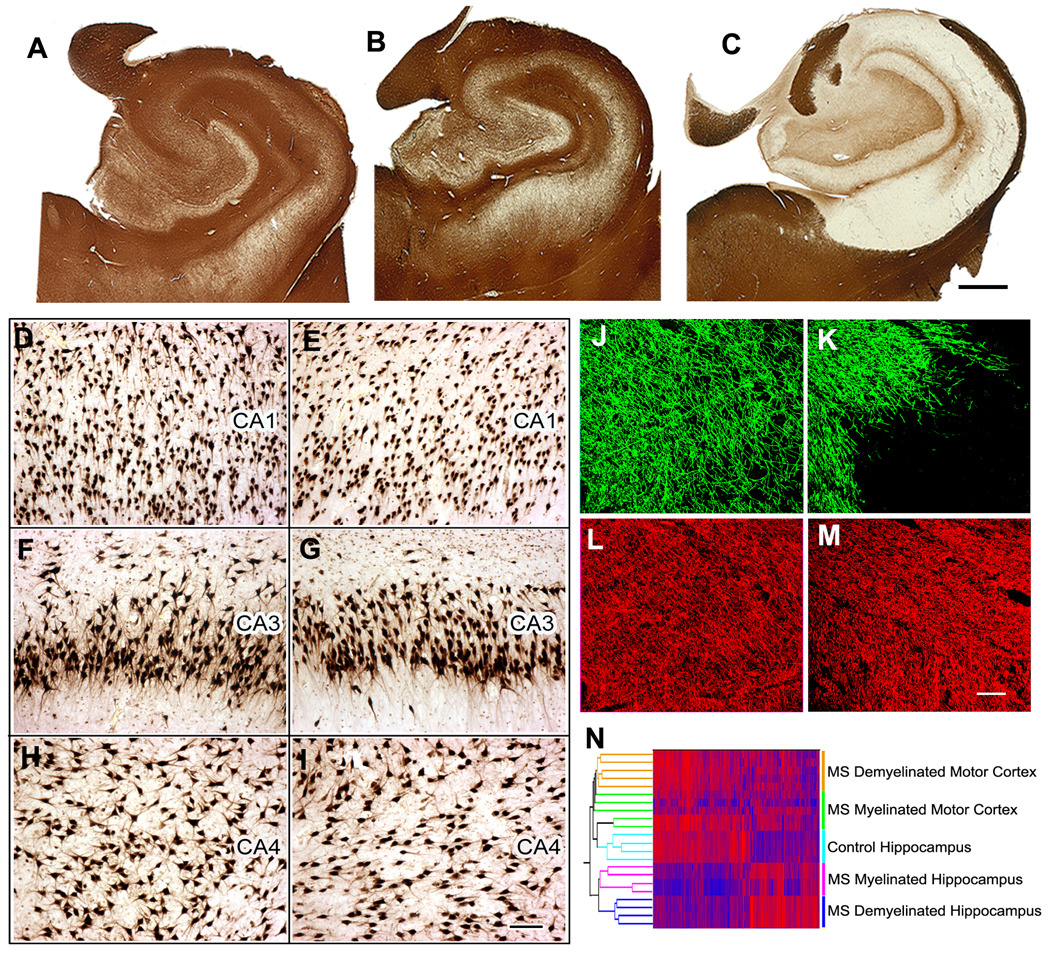
To investigate possible mechanisms of memory impairment in MS patients, we compared morphological and molecular changes in myelinated and demyelinated hippocampi from postmortem MS brains.
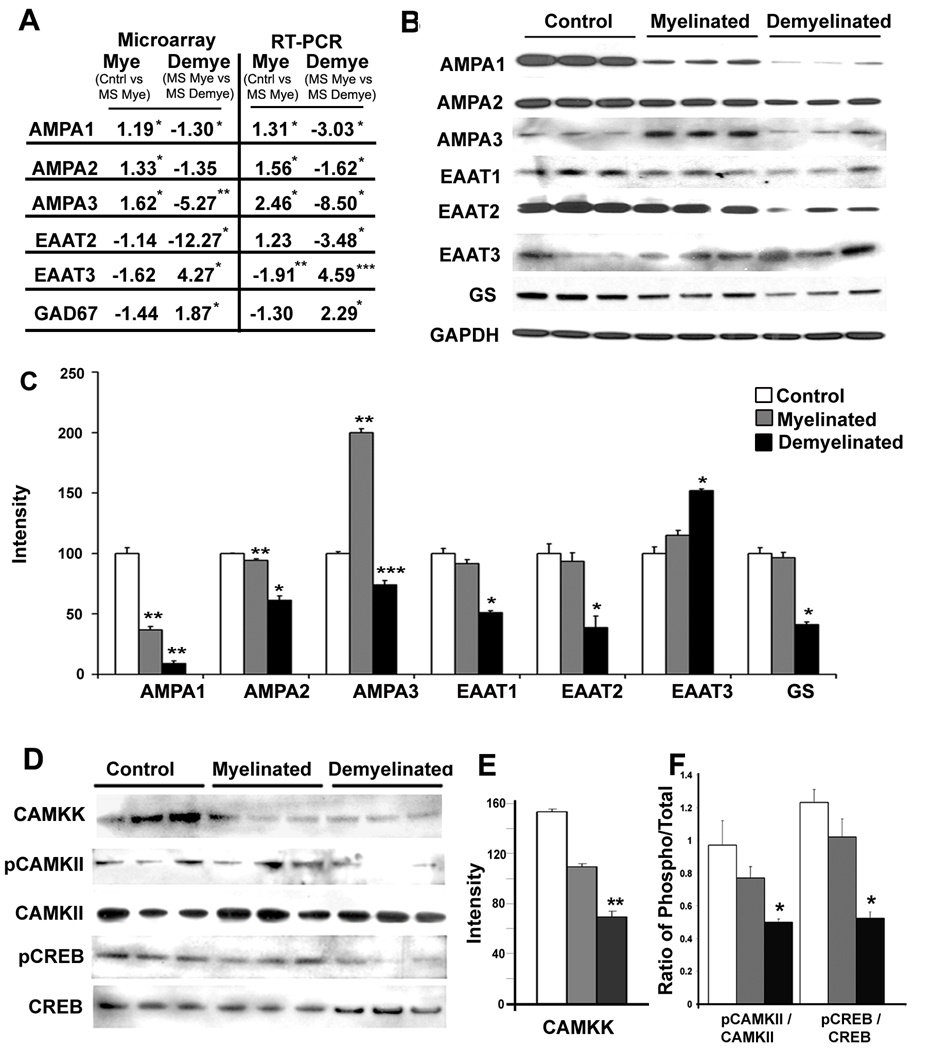
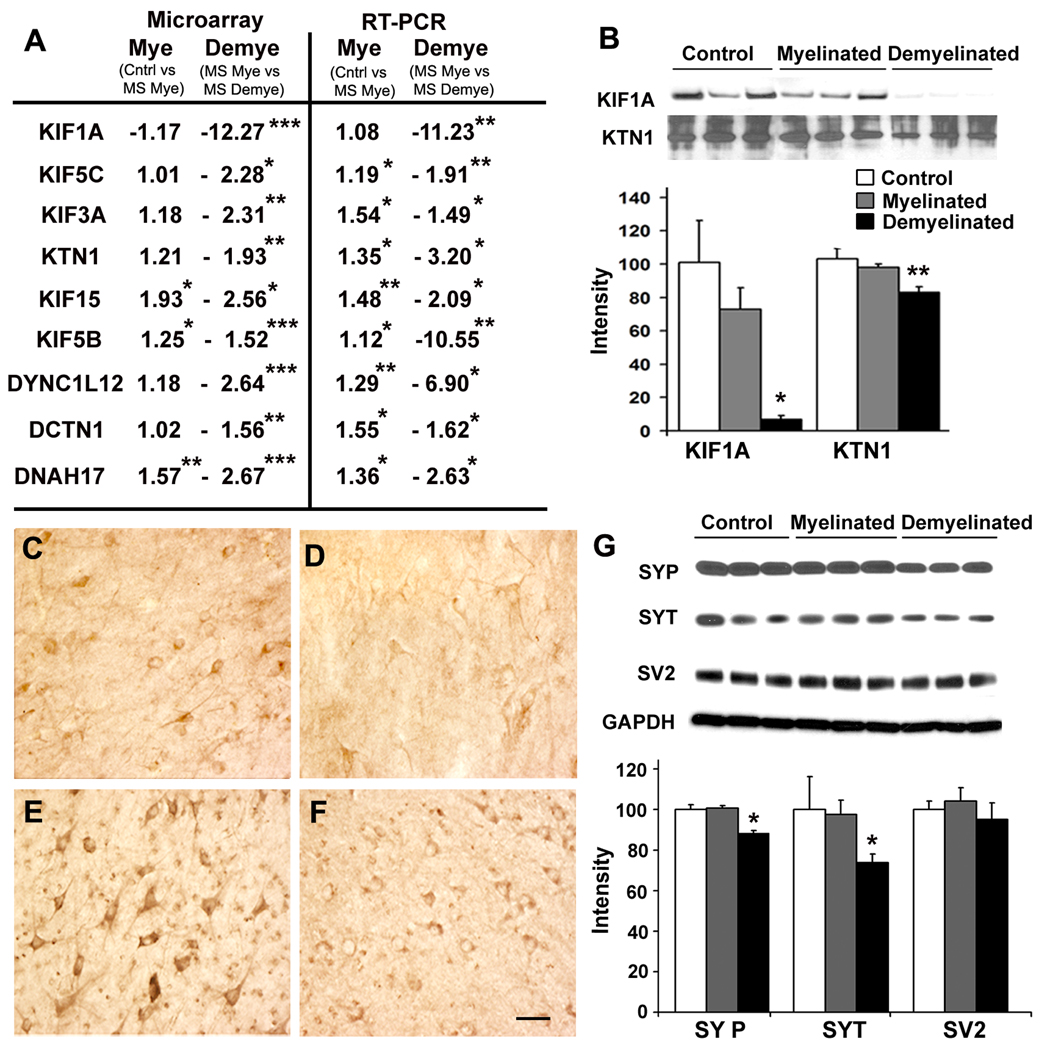
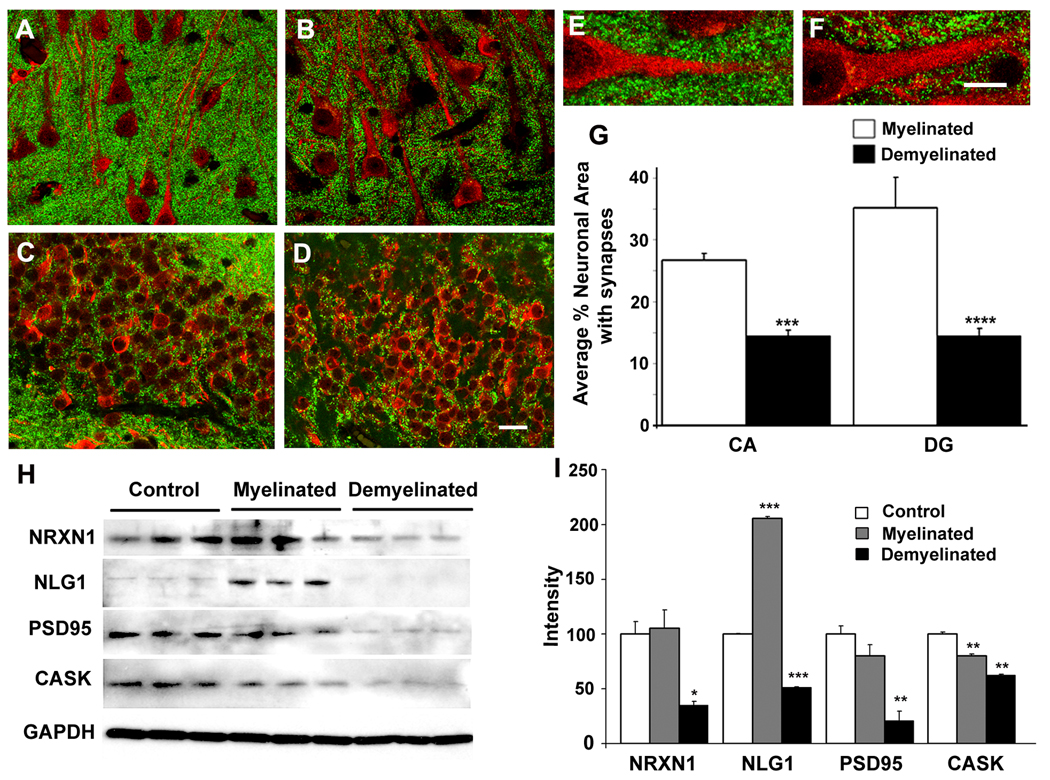
Demyelinated hippocampi had minimal neuronal loss but significant decreases in synaptic density. Neuronal proteins essential for axonal transport, synaptic plasticity, glutamate neurotransmission, glutamate homeostasis, and memory/learning were significantly decreased in demyelinated hippocampi, but not in demyelinated motor cortices from MS brains.
Collectively, these data support hippocampal demyelination as a cause of synaptic alterations in MS patients and establish that the neuronal genes regulated by myelination reflect specific functions of neuronal subpopulations.
多发性硬化症(MS)是一种人类中枢神经系统的炎症性脱髓鞘疾病。尽管 MS 大脑中的灰质病变对临床的影响尚不清楚,但 30%到 40%的 MS 患者表现出记忆障碍。MS 患者的这种记忆功能障碍的分子基础尚未得到研究。
为了研究 MS 患者记忆障碍的可能机制,我们比较了 MS 患者死后大脑中海马回的有髓和脱髓鞘区的形态和分子变化。
脱髓鞘的海马回神经元丢失很少,但突触密度显著下降。对轴突运输、突触可塑性、谷氨酸能神经传递、谷氨酸稳态和记忆/学习至关重要的神经元蛋白在脱髓鞘的海马回中显著减少,但在 MS 大脑的脱髓鞘运动皮质中没有减少。
总的来说,这些数据支持海马回脱髓鞘是 MS 患者突触改变的原因,并证实了受髓鞘调节的神经元基因反映了神经元亚群的特定功能。