Department of Primary Health Care, University of Oxford, UK.
Malar J. 2011 Apr 11;10:84. doi: 10.1186/1475-2875-10-84.
Several non-governmental organisations (NGOs) are promoting the use of Artemisia annua teas as a home-based treatment for malaria in situations where conventional treatments are not available. There has been controversy about the effectiveness and safety of this approach, but no pharmacovigilance studies or evaluations have been published to date.
A questionnaire about the cultivation of A. annua, treatment of patients, and side-effects observed, was sent to partners of the NGO Anamed in Kenya and Uganda. Some of the respondents were then selected purposively for more in-depth semi-structured interviews.
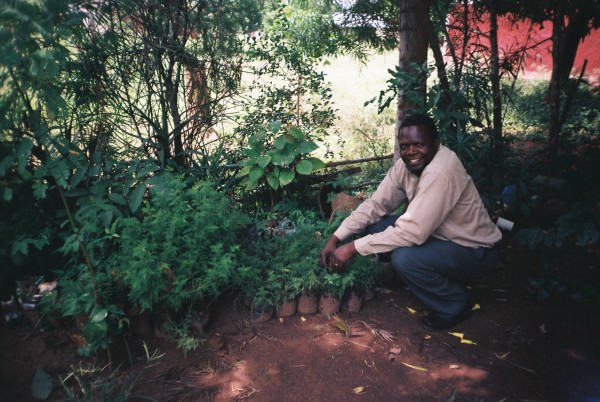
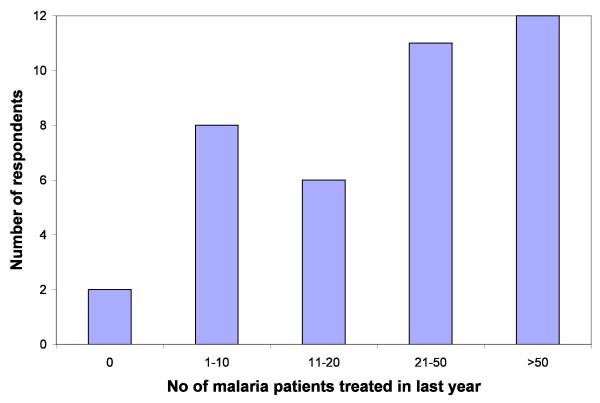
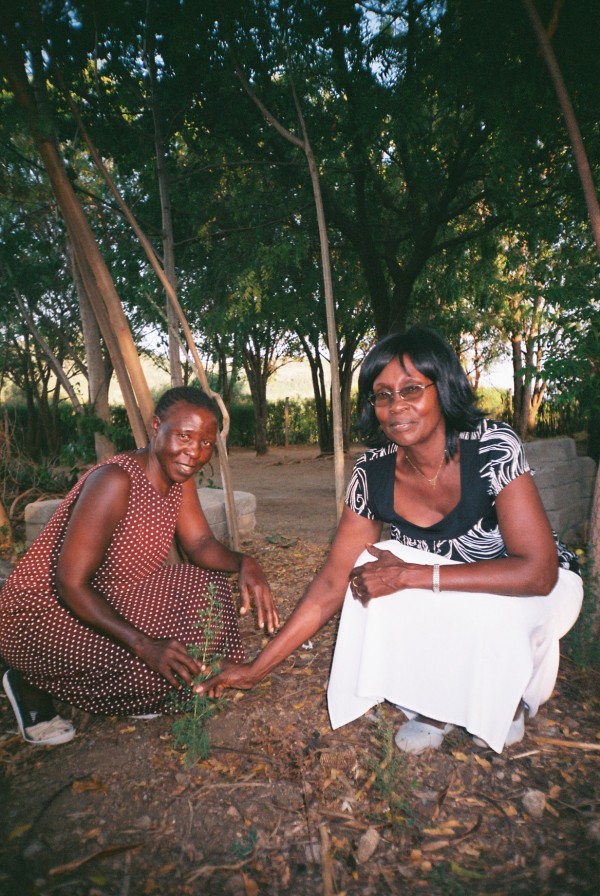
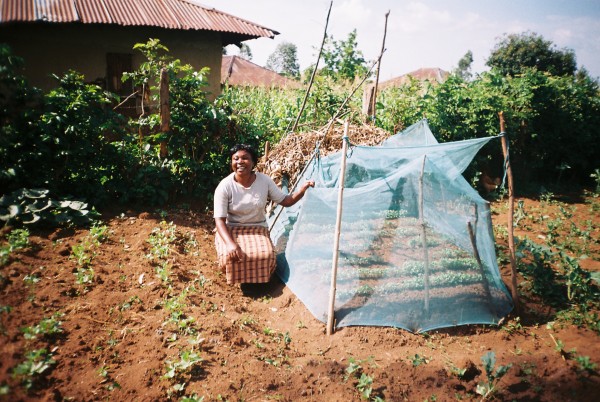
Eighteen partners in Kenya and 21 in Uganda responded. 49% reported difficulties in growing the plant, mainly due to drought. Overall about 3,000 cases of presumed malaria had been treated with A. annua teas in the previous year, of which about 250 were in children and 54 were in women in the first trimester of pregnancy. The commonest problem observed in children was poor compliance due to the bitter taste, which was improved by the addition of sugar or honey. Two miscarriages were reported in pregnant patients. Only four respondents reported side-effects in other patients, the commonest of which was vomiting. 51% of respondents had started using A. annua tea to treat illnesses other than malaria.
Local cultivation and preparation of A. annua are feasible where growing conditions are appropriate. Few adverse events were reported even in children and pregnant women. Where ACT is in short supply, it would make sense to save it for young children, while using A. annua infusions to treat older patients who are at lower risk. An ongoing pharmacovigilance system is needed to facilitate reporting of any adverse events.
一些非政府组织(NGO)正在推广使用青蒿茶作为常规治疗方法不可用时的家庭治疗疟疾的方法。这种方法的有效性和安全性一直存在争议,但迄今为止尚未发表任何药物警戒研究或评估。
向肯尼亚和乌干达 NGO Anamed 的合作伙伴发送了一份关于青蒿种植、患者治疗和观察到的副作用的调查问卷。然后有针对性地选择了一些受访者进行更深入的半结构化访谈。
肯尼亚有 18 个合作伙伴,乌干达有 21 个合作伙伴做出了回应。49%的人报告说种植这种植物有困难,主要是由于干旱。去年,总共约有 3000 例疑似疟疾病例用青蒿茶进行了治疗,其中约 250 例是儿童,54 例是怀孕第一个月的孕妇。在儿童中观察到的最常见问题是由于苦味导致的顺从性差,通过添加糖或蜂蜜可以改善这种情况。报告了两例孕妇流产。只有四名受访者报告了其他患者的副作用,最常见的是呕吐。51%的受访者已开始使用青蒿茶治疗疟疾以外的疾病。
在适宜的生长条件下,青蒿的本地种植和制备是可行的。即使在儿童和孕妇中,也很少报告不良事件。在 ACT 供应短缺的情况下,将其用于治疗年幼的儿童是有意义的,而使用青蒿茶来治疗风险较低的老年患者。需要建立一个持续的药物警戒系统,以方便报告任何不良事件。